English
 Arabic
 French
 Spanish
 Portuguese
 Deutsch
 Turkish
 Dutch
Dutch
 Italiano
 Russian
 Romaian
 Portuguese (Brazil)
 Greek
Greek
Limo Bus Rentals Toronto
Other |
2026-07-29 11:08:47
 Social Networth OS
 Creator Commerce
 Launch Startup
 Global News
 Creator Award
 Talkfever App
عرض كل النتائج
Talkfever App
عرض كل النتائج

ترقية الحساب
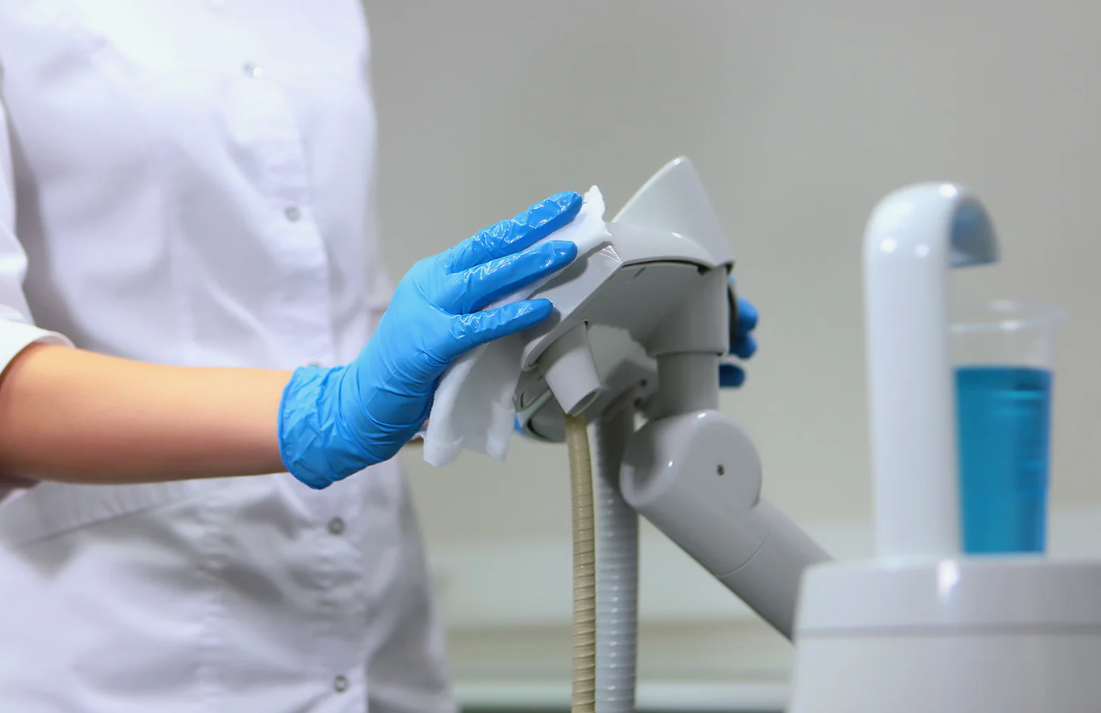
Dental practices require a higher level of environmental cleanliness than many ordinary commercial workplaces because patients, dental professionals, and support staff interact with frequently touched surfaces throughout the day. Dental office cleaning services help maintain reception areas, treatment rooms, restrooms, floors, waiting areas, and other parts of the facility while supporting the practice's broader infection prevention procedures. The Centers for Disease Control and Prevention emphasizes that environmental surfaces in dental settings can become contaminated through touch, splashes, and droplets, making appropriate cleaning and disinfection an important part of dental infection prevention.
A clean dental office also influences the patient's overall experience. People entering a practice naturally notice floors, reception desks, glass surfaces, bathrooms, furniture, and the general condition of treatment areas. Visible dirt, dust, overflowing waste containers, or neglected high-touch surfaces can undermine confidence in an otherwise professional practice. At the same time, dental offices have specialized cleaning requirements that should not be treated exactly like those of a standard office. Effective cleaning requires appropriate procedures, suitable products, attention to high-contact areas, and clear coordination with the dental team's own infection prevention protocols.
Dental environments have a combination of clinical and nonclinical spaces, each with different cleaning requirements. Treatment areas can experience contamination from patient care activities, while reception areas and restrooms experience routine public contact. The CDC distinguishes clinical contact surfaces, such as dental-unit switches and light handles, from housekeeping surfaces such as floors, walls, and sinks because their potential for contamination and transmission differs. This means a professional cleaning program should be designed around the function of each area rather than applying one generalized cleaning method throughout the facility. Specialized commercial cleaners can support the practice by handling routine environmental cleaning while the dental team maintains responsibility for clinical infection-control procedures and patient-care equipment. A clearly defined division of responsibilities helps ensure that important surfaces are not overlooked.
Cleaning and disinfection are related but distinct processes. Cleaning removes dirt, debris, and organic material from a surface, while disinfection is intended to inactivate microorganisms that remain after cleaning. Importantly, the CDC states that cleaning should occur before disinfection because debris and organic contamination can interfere with the effectiveness of the disinfection process. A dental practice therefore benefits from a cleaning program that follows appropriate procedures instead of simply applying disinfectant to visibly dirty surfaces. Products should be selected and used according to their labeling and manufacturer instructions, including required dilution, application method, contact time, and safety precautions. The specific requirements of clinical contact surfaces should also be distinguished from ordinary housekeeping areas.
Frequently touched surfaces deserve particular attention in a dental practice because repeated contact can contribute to the movement of microorganisms between people and surfaces. Examples can include door handles, light switches, drawer handles, computer equipment, reception surfaces, and other commonly touched areas. CDC guidance recommends barrier protection for certain difficult-to-clean clinical contact surfaces and appropriate cleaning and disinfection of surfaces that are not protected. A professional cleaning routine should therefore account for traffic patterns and identify areas that receive frequent contact rather than focusing exclusively on floors and visibly dirty surfaces. Consistent attention to these details can make the practice look cleaner while complementing the dental team's established infection prevention procedures.
The reception area is often the first part of a dental practice that patients encounter, making its appearance especially important. Chairs, tables, reception counters, door handles, floors, glass surfaces, and other commonly used areas can collect dust and fingerprints throughout the day. A consistent cleaning routine helps maintain a welcoming environment and prevents visible buildup from becoming part of the practice's everyday appearance. Waiting rooms may also require attention to furniture, waste containers, baseboards, and less obvious areas where dust can accumulate. Cleaning schedules should take patient traffic into account, with work arranged to minimize disruption wherever possible. A well-maintained reception area can reinforce the impression that the practice takes cleanliness and organization seriously from the moment a patient walks through the door.
Treatment rooms require careful coordination because they contain both environmental surfaces and specialized dental equipment. A cleaning service should understand the limits of its responsibilities and avoid treating medical or dental equipment as ordinary household surfaces. Equipment manufacturers provide specific care instructions, and CDC guidance emphasizes following those instructions when cleaning equipment and selecting appropriate products. Environmental cleaning can focus on appropriate floors, walls, sinks, and other designated housekeeping surfaces while clinical staff follow their own protocols for patient-care equipment and clinical contact surfaces. This separation is important because using an unsuitable chemical or technique on specialized equipment could cause damage or interfere with established infection-control procedures. Communication between the dental practice and cleaning provider is therefore essential.
Not every cleaning product is appropriate for every surface in a dental practice. The CDC recommends using EPA-registered disinfectants or detergents/disinfectants with appropriate healthcare-use labeling for environmental disinfection and following manufacturer instructions concerning factors such as concentration, contact time, safe handling, and disposal. Cleaning providers should also understand that stronger chemicals are not automatically better for every application. Different materials may require different approaches, and some surfaces can be damaged by inappropriate products. Proper personal protective equipment is another consideration when workers handle contaminated surfaces or chemical products. A professional service should establish procedures that balance effective cleaning with protection for employees, patients, equipment, and building materials.
A dental office can remain busy throughout the day, so cleaning schedules need to accommodate patient appointments and staff responsibilities. Many routine tasks can be performed after closing, before opening, or during carefully selected periods when patient traffic is lower. The appropriate schedule depends on the size of the practice, number of treatment rooms, operating hours, patient volume, and areas included in the service. Some spaces may require daily attention, while other maintenance tasks can be scheduled less frequently. A written cleaning plan can help clarify which areas require routine service and which responsibilities remain with dental staff. Clear scheduling also reduces the chance that cleaning activities will interfere with appointments or create avoidable disruptions in patient-care areas.
When evaluating a commercial cleaning provider, dental practices should consider experience, training, safety procedures, communication, scheduling flexibility, and understanding of healthcare-related environments. A provider should be willing to discuss which areas will be cleaned and what procedures will be used for different surfaces. It is also important to establish clear boundaries regarding dental equipment, clinical contact surfaces, medical waste, and tasks that must remain under the dental team's infection-control program. The CDC notes that dental settings should maintain policies and procedures for routine environmental cleaning and disinfection, reinforcing the importance of an organized approach. A reliable cleaning partnership should complement those policies rather than create uncertainty about responsibilities.
One-time deep cleaning can improve a dental office's appearance, but consistent maintenance is more effective for keeping the environment presentable over time. A long-term program can establish predictable service intervals and provide opportunities to address floors, restrooms, reception areas, waiting rooms, common surfaces, and other designated spaces before dirt becomes heavily accumulated. Practices can periodically review the cleaning program to determine whether traffic patterns or changes in operations require adjustments. It can also be useful to document responsibilities so staff and cleaning personnel understand which tasks are handled by each party. A structured approach creates greater consistency and makes it easier to identify missed areas or maintenance needs. For a dental practice, that organization can support both the patient experience and the broader environmental cleaning component of infection prevention.
Dental office cleaning services play an important role in maintaining a professional, orderly, and appropriately cared-for healthcare environment. Because dental practices contain both ordinary housekeeping areas and surfaces associated with patient care, cleaning programs should be structured around the function and risk of each space. Proper cleaning should precede disinfection, products should be used according to their labeling and manufacturer instructions, and frequently touched surfaces deserve consistent attention. By choosing a dependable cleaning provider, establishing clear responsibilities, coordinating service around patient schedules, and maintaining a consistent cleaning plan, dental practices can create a cleaner environment that complements their existing infection prevention procedures. The most effective approach is not simply making the office look clean, but developing a thoughtful maintenance system that supports cleanliness, safety, professionalism, and patient confidence.