English
 Arabic
 French
 Spanish
 Portuguese
 Deutsch
 Turkish
 Dutch
Dutch
 Italiano
 Russian
 Romaian
 Portuguese (Brazil)
 Greek
Greek
Cyber Security Certification Course in Delhi - Build a Secure IT Career
Causes |
2026-04-08 21:42:45
 Social Networth OS
 Creator Commerce
 Launch Startup
 Global News
 Creator Award
 Talkfever App
Alle anzeigen
Talkfever App
Alle anzeigen

Upgrade auf Pro
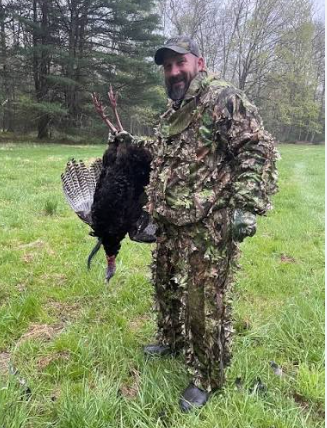
A turkey hunting leafy suit can be a practical part of a hunter's clothing system when concealment, mobility, and comfort are important. Turkey hunting often involves moving through woodland, brush, fields, and areas of mixed vegetation before settling into a carefully selected position. A leafy design adds three-dimensional texture to traditional camouflage, helping break up the recognizable outline of the wearer among natural foliage. For hunters who spend long periods outdoors, selecting appropriate clothing can contribute to a more comfortable and organized field setup while allowing them to adapt to changing terrain and seasonal conditions.
Choosing the right turkey hunting leafy suit requires more than selecting a pattern that looks realistic. Hunters should consider the environment, fabric weight, fit, breathability, noise, durability, and weather conditions they are likely to encounter. Spring mornings can begin with cool temperatures and develop into warmer afternoons, while wet vegetation and changing weather can add further challenges. A practical suit should allow natural walking, sitting, crouching, and repositioning without excessive restriction. Evaluating these characteristics before purchase can help hunters select clothing that complements their hunting style and the environments where they spend the most time.
Leafy camouflage incorporates three-dimensional fabric elements that create an irregular outer profile. This approach differs from conventional camouflage because it combines printed or dyed colors with physical texture. In suitable vegetation, the irregular elements can help disrupt the recognizable shape of the human body by creating edges that resemble surrounding leaves, stems, and other natural structures. The result depends on more than the clothing itself, however. Lighting, movement, distance, background vegetation, and positioning all influence how noticeable a person may be. Hunters should therefore consider leafy camouflage as one component of responsible field preparation rather than expecting the garment alone to provide complete concealment.
Turkey habitats can vary considerably, making pattern selection an important consideration. Mature woodland may contain dark branches, green foliage, leaf litter, and deep shadows, while open fields and woodland edges can have lighter grasses and more varied backgrounds. Seasonal changes can further alter the appearance of vegetation. Hunters should consider the locations where they expect to spend most of their time and select a pattern that complements those surroundings. A versatile mixture of natural colors can be useful for hunters who move between habitats, while a more specialized pattern may suit those who consistently hunt within one type of environment. Looking closely at the terrain before choosing clothing can help prevent a mismatch between camouflage and surroundings.
The practical construction of a leafy hunting suit deserves careful attention. Three-dimensional elements should be securely attached while remaining light enough to avoid unnecessary bulk. Fabric weight influences warmth, breathability, and durability, so the appropriate choice depends on the season and expected activity level. Strong stitching and reliable closures can be valuable when moving through vegetation, while a comfortable fit should allow natural movement without excessive loose fabric. Hunters should also consider whether the suit can accommodate base layers during colder mornings. Pockets and other functional features should be positioned where they remain accessible without interfering with movement or equipment. Evaluating these details alongside camouflage appearance can lead to a more useful long-term purchase.
Turkey hunting can involve extended periods of careful movement and stationary observation, making comfort and noise important considerations. Fabric that produces excessive rustling when walking, sitting, or changing position can become distracting. Hunters should consider how a suit behaves during realistic movement rather than judging it only while standing still. A comfortable fit should provide freedom around the shoulders, arms, legs, and torso without excessive material that can snag on vegetation. Breathability also matters when walking to a hunting location, particularly as temperatures rise. A garment that remains comfortable during both active movement and long periods of waiting can make the overall field experience more manageable.
Weather conditions during turkey season can vary throughout the day. Cool mornings may give way to warmer temperatures, while rain, wind, and damp vegetation can create additional challenges. A leafy suit should therefore be considered as part of a flexible layering system. Lightweight base clothing can support comfort during warmer periods, while insulating layers can be added when temperatures fall. A suitable weather-resistant outer layer may also be necessary in wet conditions. The camouflage garment should allow enough room for additional clothing without becoming restrictive. Ventilation is equally important because excessive heat and moisture can reduce comfort during long walks or periods of active movement.
Outdoor hunting clothing may encounter branches, thorns, soil, moisture, and repeated abrasion, particularly when hunters move through dense terrain. Durable fabric, secure stitching, and firmly attached leafy elements can help a suit withstand normal field use. Hunters should inspect their clothing after each outing for loose components, damaged seams, or areas of excessive wear. Small repairs can help prevent minor damage from becoming more serious over time. Proper cleaning and storage are also important because specialized camouflage garments may require more careful handling than ordinary outdoor clothing. Following appropriate care practices can help preserve the structure and appearance of the suit across multiple hunting seasons.
A leafy suit should work together with the rest of a hunter's equipment. Headwear, gloves, footwear, face coverings, packs, and other visible accessories can affect the overall appearance of the setup. Hunters should consider whether these components complement the surrounding environment while also allowing comfortable movement. Clothing should not interfere with safe equipment handling or create unnecessary bulk. Layering should provide flexibility as weather changes without compromising mobility. Most importantly, camouflage should remain secondary to responsible hunting practices and applicable safety requirements. A well-planned clothing system combines appropriate concealment with comfort, mobility, awareness, and practical preparation.
A turkey hunting leafy suit can be a useful addition to an outdoor clothing system when its design is matched to the terrain, season, and demands of turkey hunting. Three-dimensional elements can help disrupt the human outline among suitable vegetation, while quiet materials, comfortable fit, breathability, durability, and weather adaptability contribute to practical field performance. Hunters should evaluate pattern suitability, fabric construction, movement, maintenance, and compatibility with other gear before making a purchase. Rather than selecting clothing based only on appearance, it is better to consider how the suit will perform during realistic hunting conditions. With thoughtful selection and proper preparation, a quality leafy suit can support a comfortable and responsible approach to time spent in the field.