 English
 Arabic
 French
 Spanish
 Portuguese
 Deutsch
 Turkish
 Dutch
Dutch
 Italiano
 Russian
 Romaian
 Portuguese (Brazil)
 Greek
Greek
Blockchain™ Support™ Number™] {(FAQ"CoNtAcT)}›» Is Blockchain support open on 24/7? ((Get in touch with Blockchain* Support?))
Other |
2025-04-17 05:48:25
 Social Networth OS
 Creator Commerce
 Launch Startup
 Global News
 Creator Award
 Talkfever App
δες τα όλα
Talkfever App
δες τα όλα

Upgrade to Pro
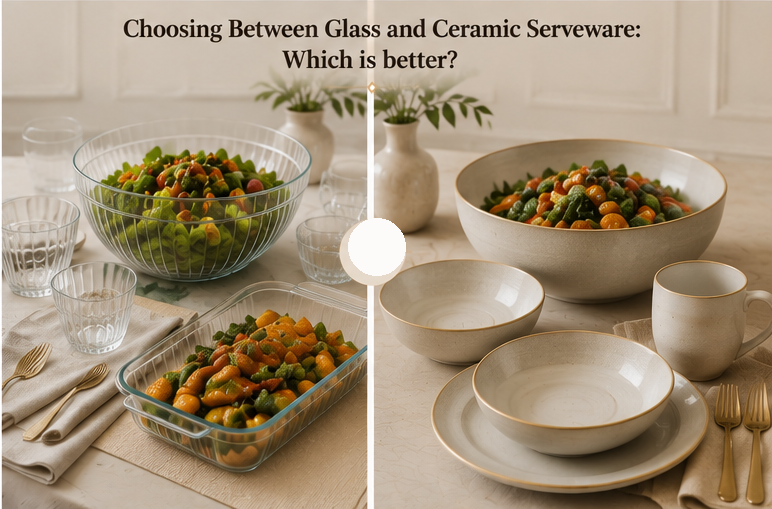
The right serveware can greatly affect the appearance and experience of your meals when it comes to setting the perfect table. Two of the most common options used are glass and ceramic; each brings its unique qualities and practicality. If you are having a hard time deciding between the smooth look of glass and the classic attractiveness of ceramic, you are not alone! Let’s break down the details of each, compare their key differences, and help you decide which serveware best suits your dining style.
Glass serveware includes everything from plates and bowls to platters and serving dishes made from glass. You’ll find a variety of options, from delicate crystal designs to sturdy tempered glass pieces. Glass serveware is especially loved for its transparency, allowing you to showcase the colors and textures of your food in a visually stunning way.
Aesthetic Appeal: One of the biggest advantages of glass tableware is its stylish and classic appearance. The transparent surface allows food to take the leading role and creates a festive atmosphere, regardless of whether you are having laid-back breakfast or hosting a dinner party.
Versatility: The glass offers an opportunity to adapt to any culinary style and table decor. If you prefer a traditional, rustic, or modern style, glass tableware will match any custom.
Non-Porous Surface: Glass does not absorb tastes and smells and preserves the original taste of food. Also, glass is naturally resistant to stains.
Easy to Clean: The majority of glass serving dishes can be cleaned in the dishwasher, which makes the cleaning process much easier.
Heat Resistance: Glass dishes can be both heated in the oven and used in the microwave.
Fragility: Glass is easily susceptible to getting chipped, cracked, or shattering, particularly when it comes to more delicate and thinner glass pieces. Although tempered glass is relatively stronger but should not be considered unbreakable.
Weight: Glass utensils may feel heavier compared to similar alternatives, thus making them unsuitable for smaller hands or outdoor activities.
Potential for Scratches: After continuous use for some time with metal knives and forks, your glass dishes may suffer from scratches, leading to eventual weakening of the surface.
Ceramic serveware is made from natural clay that is molded, glazed, and then heated under high temperatures. It includes porcelain, stoneware, and earthenware, all of which have unique textures and weights. The hand-crafted appeal of ceramic items is a reason behind their popularity.
Unique Styles and Colors: With ceramic serveware, you can choose from a wide range of colors, designs, and shapes. You can find something in ceramic for every taste, be it a simple plate or a beautifully hand-painted serving item.
Durability: High-end ceramic materials such as porcelain and stoneware are durable, so you don’t have to worry too much about everyday damage to your serving items.
Heat Retention: It is known that ceramic can retain heat well, which means that it is good at keeping the food warm for a longer time.
Microwave and Oven Safe: Most serveware made of ceramic is oven-to-tabletop safe, so you can use the same item for serving and baking.
Non-Toxic and Food Safe: Ceramic glazes are typically safe for food and don’t leach harmful chemicals into your food.
Chipping and Cracking: While durable, ceramic can chip or crack if dropped or knocked against a hard surface.
Porosity: If not fully glazed, some types of ceramic can absorb liquids, leading to stains or odors over time.
Weight: Like glass, ceramic serveware can be heavy, especially larger or thicker pieces.
Care with Glazed Surfaces: Some decorative glazes may scratch or fade with frequent use or exposure to strong detergents.
While both glass and ceramic serveware offer beauty and functionality, their differences can influence your choice depending on your needs and style.
Appearance: While glass gives food the chance to stand out, ceramic provides warmth and a homemade style that is available in many colors and designs.
Durability: Both are durable enough to stand the test of time, but glass can become damaged in case of dropping, while ceramic is vulnerable to chipping.
Versatility: Glass serveware fits excellently in any interior design, while ceramic shines as a bright centerpiece.
Maintenance: Both glass and ceramic are easily washed, but ceramic can get stained and be affected by the wrong glaze.
Heat Performance: Both materials can be used for hot food but ceramic keeps heat longer.
When choosing between glass and ceramic serveware, consider these factors:
Your Dining Style: If you fancy additional holding stylish dinner parties, choose glass serveware to show off your food. When you enjoy casual family meals, ceramic ware can work much better and add some warmth and character to your cooking.
Household Needs: For active families with kids and outdoor picnics, you need to acquire stoneware to lengthen your serveware life.
Maintenance Preferences: For those who are always in a hurry and have too many things to do, it is important to check the materials used for cleaning the dishware.
Aesthetic Goals: Think about the atmosphere you want to create at your dinner table.
Budget: Glass and ceramic serveware have a very wide price range, but you can buy at least a few good-quality sets.
Ultimately, there’s no one-size-fits-all answer when it comes to choosing between glass and ceramic serveware. Both materials bring their own beauty and benefits to the table—literally! Glass is perfect for those who want a timeless, versatile look that lets their food shine, while ceramic is ideal for anyone seeking warmth, character, and artisanal flair.
For many homes, a mix of both glass and ceramic serveware works best, allowing you to tailor your table to different occasions and moods. No matter your choice, selecting serveware that matches your lifestyle and expresses your personal taste will help make every meal a memorable experience.

