English
 Arabic
 French
 Spanish
 Portuguese
 Deutsch
 Turkish
 Dutch
Dutch
 Italiano
 Russian
 Romaian
 Portuguese (Brazil)
 Greek
Greek
Latest News: Water Wastewater Treatment Equipment Market Projections of Share, Trends, and Growth for 2025-2034
Other |
2025-03-11 04:16:04
 Social Networth OS
 Creator Commerce
 Launch Startup
 Global News
 Creator Award
 Talkfever App
Mostra tutti i risultati
Talkfever App
Mostra tutti i risultati

Passa a Pro
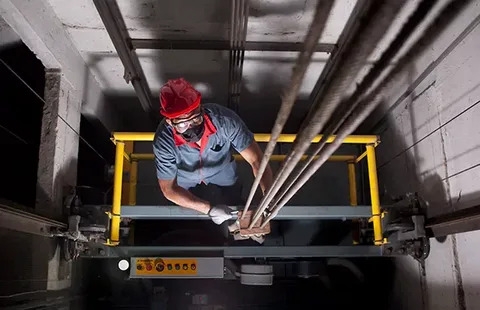
Residential elevators provide ease of use and access in today's homes but must be maintained on a regular basis throughout their lifetime. Over time, performance can be impacted due to mechanical wear, electrical problems, door issues and conditions in the equipment. Service planning is a process that homeowners need to have a structure for. Scheduling regular professional evaluations may mean problems don't turn into a large mess. A well-documented maintenance record also provides a wealth of information to technicians for future maintenance and inspection visits.
Owners should have a ready-to-use tool to keep track of elevator performance and to schedule services in the future. The proper timing will vary based on the type of elevator, manufacturer recommendations, usage and local requirements. Scheduled residential elevator maintenance provides the opportunity for technicians to test key parts of the elevator and review previous maintenance logs. This will also help homeowners understand what repairs may be necessary, what parts are available, and what modernization options may be available as their elevator ages.
The elevators in residential buildings have mechanical, electrical, electronic and safety parts. Each of these components is used on all trips between floors. Hence, the failure of one component can cause failure of other parts of the system.
A planned approach provides opportunities for technicians to inspect equipment at the proper times. It also provides a clearer perspective of developing wear for the homeowner. By contrast, reactive servicing may actually start after a clear fault has been observed.
The amount of use, as well, may influence the maintenance requirements. A lift that is used multiple times a day could wear out differently than a lift that is only used occasionally. Environmental factors can also be important. Some components may be affected by dust, moisture, temperature and building conditions
A maintenance plan based on daily use will be helpful. The elevator in a hectic home could be used several times a day. Valves and other moving parts can wear over a period of time because of start/stop/door cycling.
The number of persons using the home and how the home is normally used should be taken into account by the homeowners. There can also be extra requirements of the system due to heavy loads. These are all factors that can provide technicians with beneficial context when performing maintenance during their regular service calls.
The age of equipment may affect the maintenance needs, because parts of the equipment wear out over time. The older system may also have controls or components that are not commonly available.
But equipment condition is not necessarily dependent upon age. A well-maintained elevator will last for many years. Before recommending major work, technicians should assess the condition of the components, its service history and the availability of parts.
A maintenance programme should be based on the design and manufacturer advice, use and local requirements of the elevator. Each homeowner should use the advice of qualified elevator professionals, and not one schedule for everyone.
Services may include routine checks of doors, safety systems, controls, leveling and other applicable mechanical parts. Electrical connections and operating performance may be inspected, too. The scope of the inspection will vary according to the type of elevator and system design.
Regular inspections may include door operation, door alignment, door sensors and door interlock. Technicians may inspect the movement of the cab and the levelling of the floor. Parts that are used may need lubrication as specified by the manufacturer.
Electrical connections and control systems should be considered too. Fault indicators and operating conditions can be checked during regular visits by technicians. These checks provide valuable data on equipment performance over time.
Regular professional checks offer a more detailed examination of the elevator's condition. Technicians can check the safety systems and determine worn or failing parts.
They can check previous service records on these inspections, too. This comparison might be able to bring up recurring issues that need to be explored further. Good records will provide a homeowner with a dependable record for future service choices.
The wear of various elevator parts varies. Doors open and shut many times during the day and drive systems are responsible for the actual movement of the cab. Many operating functions are controlled by the electrical controls.
A professional service visit must take the whole system into account and not just one symptom. With this method, technicians get a more comprehensive view of equipment condition.
In the normal working mode, the elevator door operates many times. Over time, parts such as rollers, tracks, sensors and operators can wear out, as can interlocks.
If doors aren't moving quickly or their movement is unusual, it may be a sign of a problem. Unexpected or improper closing of doors is also a possibility. To be sure, technicians ought to determine the root of the problem prior to recommending replacing parts.
Cables, belts, motors, movement drives or other parts of the elevator might need routine checks. If there is any unusual noise, this could be a sign of wear or alignment issues.
Irregular motion and vibration should also be dealt with professionally. These symptoms can be examined in conjunction with equipment history by the technician. They can identify if a particular component needs service based on their findings.
Controllers do much to coordinate the many functions of elevators. Electrical connections, wiring, circuit boards and related components can malfunction over time.
Faults that do not occur constantly can be troublesome to troubleshoot. Technicians can use the diagnostic information in conjunction with the physical inspection. This can be used to give a better idea of the operating condition of the system.
Safety systems are special aspects that must be watched, because they ensure the safety of the passengers during the operation of elevators. These may be items such as safety switches, door interlocks, emergency stops and emergency communication equipment.
A few systems even feature overspeed protection or other security devices. The requirements that apply will vary according to elevator design and local regulations. The systems should be inspected and tested by qualified technicians as per relevant standards.
Changes are frequently detected in advance of a total shutdown by homeowners. Strange noises, vibration, uneven levelling, slow doors and repeated stops are signs of developing problems.
If the elevator acts differently from normal, it requires professional attention. Homeowners should also keep track of when the symptoms appear and if they reoccur in certain circumstances.
Fault messages may contain extra info for technicians. But a displayed code does not necessarily mean the root cause. Before making a decision about the repair, it is important to have a professional diagnosis.
It is helpful to have good records to create a history of an elevator's performance. They can also provide technicians with helpful information during subsequent service calls.
Homeowners should record the service date and work completed. They should also keep details about inspected components and replaced parts.
Technician recommendations deserve a place in the same record. Warranty information and follow-up requirements should remain accessible. These records can make future maintenance planning more straightforward.
Frequent faults need to be addressed. If a problem recurs after service, it could be a serious equipment issue.
You should check your homeowner reports for previous service reports and compare them with the current symptoms. This comparison can uncover trends that may not be apparent. It also provides technicians with a more complete diagnostic history.
Manufacturer information, installation records, inspection reports, service agreements and warranty documents can all be important documents to import.
These materials are kept together for efficient service calls in the future. It also provides the technician with useful information regarding the equipment specifications and past projects.
Elevator equipment is subject to change during its various stages of operation. Therefore, priorities for maintenance might vary with aging components.
Even new elevators need professional service every so often. Recorded early data provide a baseline for the performance of the normal equipment.
Following the manufacturer's recommendations from the start is a good idea for homeowners. Usual operating patterns can also be detected through regular service.
A closer look at component wear may be needed if midlife equipment is in use. The more service records one has, the more useful they will prove to be during this phase.
Technicians can check out regular repairs and look at the frequently serviced parts. Availability of parts should also be a consideration in long-term planning.
Elevators which are older in age may have to be planned in more detail. Parts may wear out more quickly and/or may be harder to replace.
Recurrent repairs can also contribute to high operating costs in the long term. Homeowners should check the frequency of repairs and the condition of equipment, safety concerns, and availability of parts.
As this stage, modernization might be worth considering. That should not be based on the age of the equipment, however, it should be based on the actual condition of the equipment.
The cost of maintenance depends on the type of elevator, its design, age, use and condition of equipment. Other service contract conditions may also impact annual costs.
Availability of parts is an issue that can impact service costs and repair times. There might be a need to use certain special parts or more diagnostic testing on older equipment.
The general cost of the labor needed in your area and inspection needs can also affect the total cost. So, it is important, prior to giving permission for large-scale servicing, to get a clear service details from the homeowner.
Expenses for planned maintenance and unexpected repairs are different. Scheduled service involves inspection, adjustment, testing and routine maintenance of equipment.
Additional time if components fail or otherwise; unexpected repairs may include extra downtime as well as failed components. A history of maintenance will provide better visibility for your homeowners with regular costs.
Long-term records may also give you an idea of whether repair expenses are increasing over time. Homeowners can then talk to the appropriate professionals about repair, modernization or replacement.
Modernization becomes relevant when there are frequent faults with the elevator or it has outdated equipment. The quality of the ride can also point towards greater issues with the system.
Other factors involved are out-dated controls, lack of parts and increased maintenance costs. The level of accessibility needs in the household can also impact long-term planning.
Repair typically is done to correct a problem or an item that has stopped working. Modernization involves the installation of a wider variety of equipment and can be used to modernise existing equipment.
Replacement is the process of getting rid of the current elevator system, and replacing it with a new one. There are a variety of different costs, time and technical issues to consider for each option.
When looking to purchase equipment, homeowners should take a good look at the condition of the equipment, safety requirements, reliability, availability of parts, and long-term costs. An elevator professional with the proper qualifications can evaluate the system and provide information on the options.
When it comes to service providers, there are more important factors to consider than prices. Experience, skills of the technician, documentation and equipment knowledge are all important.
Homeowners should ask about experience with residential elevators and similar equipment. Familiarity with the installed elevator type can make technical assessment more precise.
Technician qualifications also deserve consideration. Providers should demonstrate appropriate knowledge of elevator systems and applicable safety requirements.
The service documentation is clear, and it will provide a history of services performed for the homeowner. Reports should include findings and identify inspected components.
Recommendations for repairs should also include the rationale for proposed repairs. Testing information can be used for added service assurance.
It's important that homeowners know what a service agreement entails. Questions might include scheduled visits, emergency response, parts source and warranty terms.
The provider should be clear with the frequency of services offered and the procedures for services to be provided. Having this information enables homeowners to be more certain about how to maintain their elevators in the future.
A scheduled maintenance plan provides homeowners with greater clarity of the condition of the elevator and future maintenance requirements. Periodic professional checks can detect faulty equipment, continuous problems and emerging issues before they escalate into serious problems. Residential elevator maintenance should be carried out according to the instructions of the elevator manufacturer, equipment requirements and the local standards. Maintaining accurate service records also aids in long term planning. If the equipment is getting old and they have repeating issues, homeowners can make a comparison on the options to repair, modernize, and replace. Practical suggestions can be offered by qualified technicians, based on safety, reliability, equipment condition, availability of parts and long-term operating costs.
The number of times the elevator will run will depend on the type of elevator, manufacturer recommendations, usage and local regulations. Experienced professionals can set up a suitable schedule based on their evaluation of the installed system.
This may include doors, controls, security systems, drive systems and electrical connections and other systems that apply. The extent of the scope will be determined by the design and manufacturer directions of the elevator.
Abnormal noise, vibrations, levelings issues, door failures, fault messages and multiple shutdowns are all signs of service. If there are any unusual changes in normal operation, it is generally best to have it inspected by a qualified technician.
Aeration equipment that has not been replaced in a while may need more attention due to wear on components. Availability of parts may also become more difficult, impacting on long-term maintenance planning.