English
 Arabic
 French
 Spanish
 Portuguese
 Deutsch
 Turkish
 Dutch
Dutch
 Italiano
 Russian
 Romaian
 Portuguese (Brazil)
 Greek
Greek
Nigerian Center for Disease Control and Prevention: Safeguarding Nigeria's Public Health
Health |
2026-07-30 15:37:54
 Social Networth OS
 Creator Commerce
 Launch Startup
 Global News
 Creator Award
 Talkfever App
Ver Todos
Talkfever App
Ver Todos

Atualize para o Pro
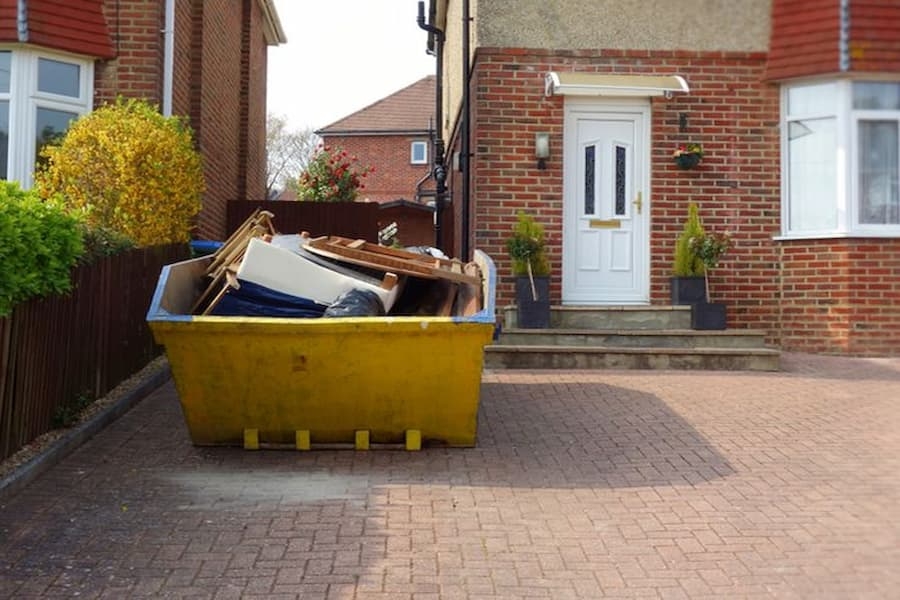
Home renovations can produce far more waste than many people initially expect. Old furniture, broken flooring, plasterboard, timber, packaging, bathroom fittings, and garden materials can quickly fill available storage space. Choosing the right skip size before work begins can make waste management considerably easier and help keep the property organised. A skip that is too small may require additional collections, while an unnecessarily large container can increase costs. Understanding the different skip sizes and the type and amount of waste your renovation will produce can help you select a practical option.
The first step is to consider the scale of your renovation. A small room refresh will produce considerably less waste than a full house renovation or extension project.
Make a list of the materials you expect to remove, including flooring, cupboards, plaster, tiles, timber, old fixtures, packaging, and furniture. Estimating the volume of these materials will give you a better idea of how much skip space you require.
Small skips for hire are useful for relatively small renovation jobs where only a limited amount of waste is expected. They can be suitable for smaller bathroom updates, minor decorating work, garden clearances, or individual room projects.
Their compact size can also make them easier to position on properties with limited space. If your project involves only a modest amount of lightweight household or renovation waste, a mini skip may provide enough capacity without taking up unnecessary space.
Midi skips offer more capacity than mini skips while remaining relatively compact. They can be suitable for larger room renovations, kitchen upgrades, moderate garden clearances, and projects involving several types of household waste.
For homeowners removing old cabinets, flooring, plaster, and other materials from a medium-sized area, a midi skip can provide a useful balance between capacity and convenience.
Builder's skips are commonly used for larger renovation and construction projects. Their greater capacity makes them suitable for substantial quantities of rubble, timber, plaster, flooring, and other building waste.
If you are renovating several rooms, removing significant amounts of building material, or carrying out structural work, a builder's skip may be more appropriate than a smaller container. However, the exact waste capacity should be confirmed with your skip provider.
Large skips are generally intended for substantial projects that generate considerable amounts of waste. They may be suitable for major house renovations, extensions, loft conversions, or extensive clearance work.
Before ordering a large skip, consider whether your property has enough room for the container and whether access is suitable for delivery and collection. A larger skip is useful only when it can be safely positioned and efficiently used.
The volume of waste is not the only consideration. The type of material being removed can affect the skip you need. Heavy materials such as soil, concrete, bricks, and rubble can quickly make a skip very heavy, even when there is still considerable space available.
Some providers may therefore impose weight restrictions or recommend specific containers for heavy waste. Always explain the type of renovation waste you expect to produce when booking.
Whatever size you choose, avoid filling the skip above its permitted level. Overfilled skips can create hazards during transportation because loose materials may fall out or interfere with safe collection.
Waste should normally remain within the container and be distributed evenly. Your provider can explain the maximum filling level and any specific restrictions that apply to the chosen skip.
The available space around your home should also influence your decision. Consider the width of the entrance, driveway, gates, overhead cables, walls, parked vehicles, and other potential obstacles.
If the skip needs to be placed on a public road, you may need a permit from the local authority. Ask your provider whether they can arrange this or explain what you need to do before delivery.
Think about how quickly your project is likely to generate waste. If materials will be removed gradually over several weeks, a smaller skip with a planned collection may be sufficient.
For projects that involve a large amount of waste in a short period, a larger container can prevent rubbish from accumulating around the property. Planning collection dates in advance can also help keep the renovation area organised.
If you are uncertain about the correct size, speak to a reputable skip hire provider before booking. Explain the renovation, the rooms involved, the materials being removed, and your expected project duration.
An experienced provider can help you compare suitable options and explain weight limits, prohibited materials, filling requirements, delivery access, and collection arrangements. This can prevent the inconvenience of choosing a container that does not meet your needs.
Choosing the right skip size for a home renovation depends on the amount and type of waste, the scale of the project, available space, and the expected timeline. Mini and midi skips can suit smaller jobs, while builder's and larger skips are more appropriate for substantial renovations.
Heavy materials require particular attention because weight restrictions may apply. By estimating waste carefully, considering access, avoiding overfilling, and asking a professional skip provider for advice, homeowners can choose a practical waste solution that keeps their renovation cleaner, safer, and more organised.
Visit Talkfever for more informative blogs.