English
 Arabic
 French
 Spanish
 Portuguese
 Deutsch
 Turkish
 Dutch
Dutch
 Italiano
 Russian
 Romaian
 Portuguese (Brazil)
 Greek
Greek
Global Glass Bead Abrasive Market Size to Hit USD 307 Million by 2034 Amid Steady 3.7% CAGR Growth
Music |
2026-04-16 12:33:05
 Social Networth OS
 Creator Commerce
 Launch Startup
 Global News
 Creator Award
 Talkfever App
See All
Talkfever App
See All

Upgrade to Pro
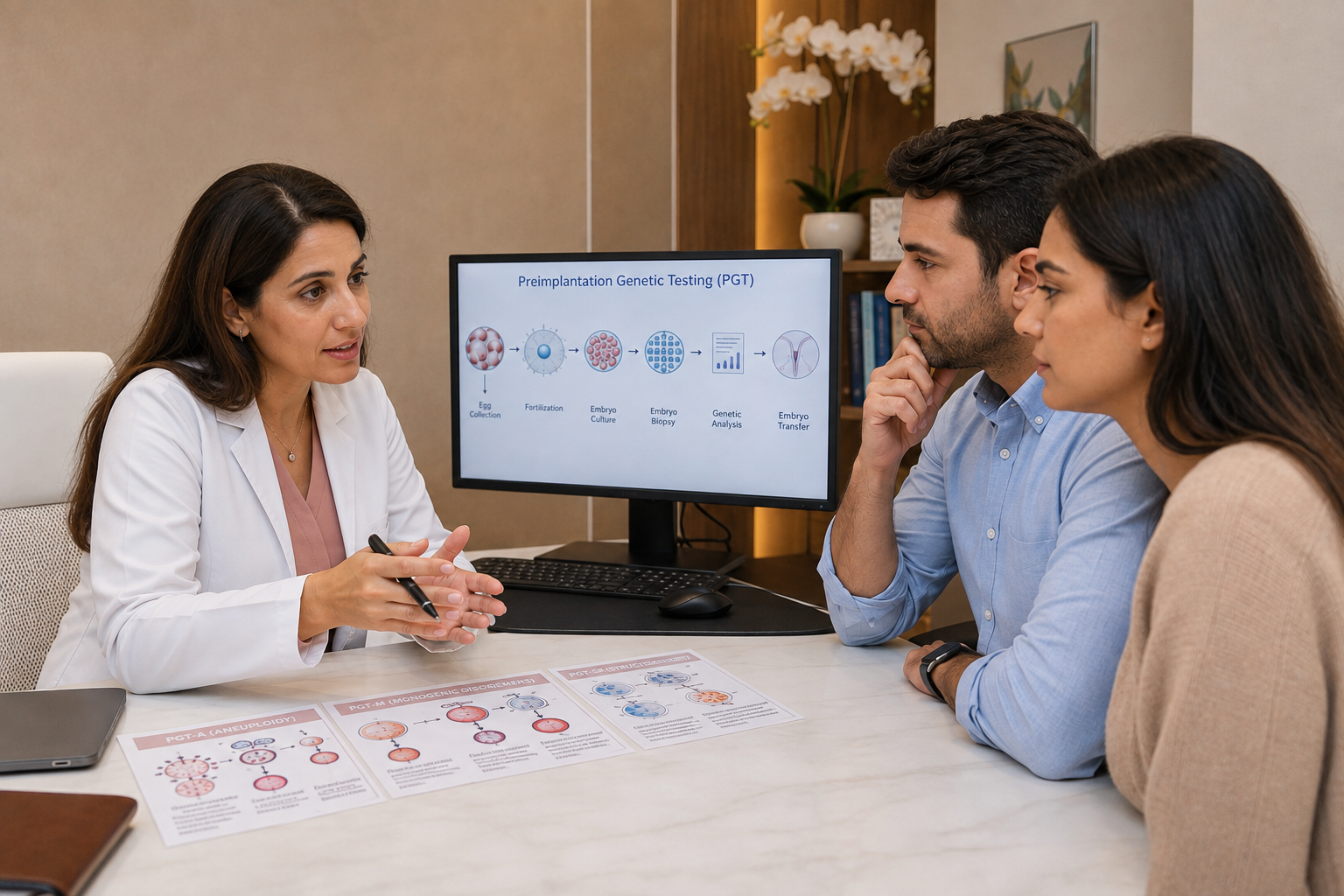
Hormonal changes can affect many aspects of a woman's health, from menstrual cycles and ovulation to fertility, mood, and reproductive wellbeing. A gynecologist in Dubai can evaluate symptoms such as irregular periods, painful menstruation, PCOS, abnormal bleeding, and hormonal concerns to identify possible causes and recommend appropriate care. At Almond Blossoms Fertility & Wellbeing Center, gynecological care is connected with fertility and reproductive medicine for personalized women's healthcare.
Hormones are chemical messengers that help regulate many processes in the body.
In women's reproductive health, hormones are involved in:
When hormonal patterns change, some women may notice changes in their periods, skin, weight, energy, fertility, or other aspects of their health.
However, experiencing one symptom does not automatically mean you have a hormonal disorder.
A qualified gynecologist can assess your symptoms and medical history to determine whether further evaluation is appropriate
Your menstrual cycle can naturally vary, but persistent irregularity may deserve medical attention.
You may want to speak with a gynecologist if you regularly experience:
Irregular periods may sometimes be associated with PCOS, thyroid disorders, changes in weight, stress or other conditions.
A gynecological evaluation can help identify potential causes.
Heavy menstrual bleeding can affect your quality of life and may sometimes be associated with conditions involving the uterus or hormones.
You should consider speaking with a gynecologist if your periods have become significantly heavier than usual or if bleeding is interfering with your daily activities.
Your doctor may ask about:
Depending on your symptoms, additional testing may be recommended.
Period pain is common, but severe or worsening pain should not automatically be considered normal.
A gynecologist may investigate persistent menstrual pain, particularly when it:
Conditions such as endometriosis or adenomyosis can sometimes be associated with significant pelvic pain.
Polycystic ovary syndrome, or PCOS, is a common reproductive and hormonal condition.
Possible symptoms include:
If you experience these symptoms, a gynecologist for PCOS in Dubai can assess your medical history and determine whether further investigation is appropriate.
PCOS affects women differently, so management should be individualized.
Hormonal health and fertility are closely connected.
Ovulation depends on coordinated hormonal activity. When ovulation is irregular or absent, conception may become more difficult.
A fertility-focused gynecologist may evaluate:
Your partner's fertility may also need evaluation because infertility can involve male factors, female factors or both.
Bleeding between periods, after intercourse or after menopause should be discussed with a healthcare professional.
There can be multiple possible causes, ranging from hormonal changes to gynecological conditions.
Rather than trying to identify the cause yourself, a gynecologist can assess your symptoms and determine whether further testing is needed.
Pelvic pain can have many possible causes.
If pain is persistent, recurrent or affecting your daily life, a gynecological assessment may be appropriate.
Possible gynecological causes can include:
The cause cannot be determined from symptoms alone, which is why proper assessment matters.
Hormonal changes during perimenopause and menopause can cause changes in menstrual cycles and other symptoms.
Women may experience:
A gynecologist can discuss symptoms, assess your health history and explain appropriate management options.
The phrase “hormonal imbalance” is commonly used, but it can describe many different situations.
Hormonal changes may be associated with conditions such as:
PCOS can affect ovulation and menstrual regularity.
Thyroid hormones can influence menstrual cycles and reproductive health.
Hormonal fluctuations naturally occur as women approach menopause.
Significant weight changes can affect menstrual and reproductive function.
Significant or prolonged stress may affect menstrual patterns in some women.
Some medications can influence reproductive or hormonal function.
Because there are many possible causes, treatment should be based on proper evaluation rather than assuming that every symptom is caused by the same hormonal problem.
There is no single test that can diagnose every hormonal or reproductive problem.
Depending on your symptoms, your gynecologist may recommend:
Certain hormone levels may be assessed when clinically appropriate.
Pelvic or transvaginal ultrasound can provide information about the uterus and ovaries.
Your doctor may ask you to track your menstrual cycle or may recommend specific tests depending on your symptoms.
For women concerned about fertility, tests such as AMH and ultrasound assessment may provide information about ovarian reserve.
The results should always be interpreted together with your age, medical history and reproductive goals.
Yes, some hormonal and reproductive conditions can affect ovulation and therefore make conception more difficult.
For example, irregular ovulation associated with PCOS can reduce the frequency with which an egg is released.
However, fertility is complex.
Difficulty conceiving may involve:
This is why a comprehensive fertility evaluation can be more informative than focusing on hormones alone.
Women sometimes wonder whether hormonal symptoms require a gynecologist or an endocrinologist.
A gynecologist can be an appropriate starting point when your concerns involve:
If your symptoms suggest a broader endocrine condition, your gynecologist may recommend collaboration with or referral to another specialist.
The right specialist depends on the cause of your symptoms.
PCOS management depends on your symptoms and goals.
For example, treatment priorities can be different for someone who wants to become pregnant compared with someone who is not currently planning pregnancy.
A gynecologist may focus on:
If pregnancy is your goal, a fertility specialist can assess whether ovulation treatment or assisted reproductive techniques may be appropriate.
Preparing some information before your appointment can make the consultation more useful.
Consider recording:
If fertility is your concern, also note how long you have been trying to conceive.
There are many doctors available when you search for the best gynecologist in Dubai.
Instead of relying only on rankings, consider:
Check the doctor's specialist training and professional credentials.
Look for experience with the specific issue you are experiencing.
If pregnancy is part of your goals, reproductive medicine expertise may be particularly useful.
Your evaluation and treatment should be based on your individual circumstances.
A clinic offering gynecology, fertility and wellbeing services can provide a more coordinated care pathway when several areas overlap.
Almond Blossoms Fertility & Wellbeing Center in Dubai Healthcare City combines gynecology, reproductive medicine, fertility treatment and psychological wellbeing care.
The center provides services that may be relevant to women experiencing hormonal and reproductive concerns, including:
The multidisciplinary approach can be particularly useful for women whose gynecological health and fertility goals overlap.
You should consider booking a consultation if you have persistent or concerning symptoms such as:
You do not need to diagnose yourself before making an appointment.
The purpose of a consultation is to understand your symptoms and determine whether further evaluation is needed.
A gynecologist provides care for women's reproductive health concerns, including menstrual disorders, PCOS, pelvic pain, abnormal bleeding, fertility-related concerns and other gynecological conditions.
A gynecologist can evaluate many hormonal and reproductive concerns, particularly when they affect menstruation, ovulation or fertility.
Yes. PCOS can affect ovulation in some women, which may make conception more difficult. However, many women with PCOS can conceive with appropriate care.
Yes, especially if irregular periods are persistent or represent a significant change from your usual menstrual pattern.
A gynecologist with fertility expertise can evaluate reproductive health and discuss appropriate fertility options. Depending on the situation, treatment may include ovulation induction, IUI or IVF.
When searching for a female gynecologist near me, consider qualifications, experience, location, and whether the clinic provides the services relevant to your healthcare needs.
Your menstrual cycle, hormones and reproductive health are closely connected. Persistent changes should not be ignored, particularly when they affect your quality of life or fertility goals.
A qualified gynecologist in Dubai can help you understand your symptoms, identify potential causes and determine whether further evaluation or treatment is appropriate.
At Almond Blossoms Fertility & Wellbeing Center, women can access gynecological, fertility and psychological wellbeing support within an integrated care environment.
Book a consultation with the Almond Blossoms team in Dubai Healthcare City to discuss your women's health and reproductive needs.