English
 Arabic
 French
 Spanish
 Portuguese
 Deutsch
 Turkish
 Dutch
Dutch
 Italiano
 Russian
 Romaian
 Portuguese (Brazil)
 Greek
Greek
Zinc-Iron Alloy Market Set for 4.9% CAGR Growth Through 2032
Uncategorized |
2026-05-28 07:51:06
 Social Networth OS
 Creator Commerce
 Launch Startup
 Global News
 Creator Award
 Talkfever App
Mostra tutti i risultati
Talkfever App
Mostra tutti i risultati

Passa a Pro
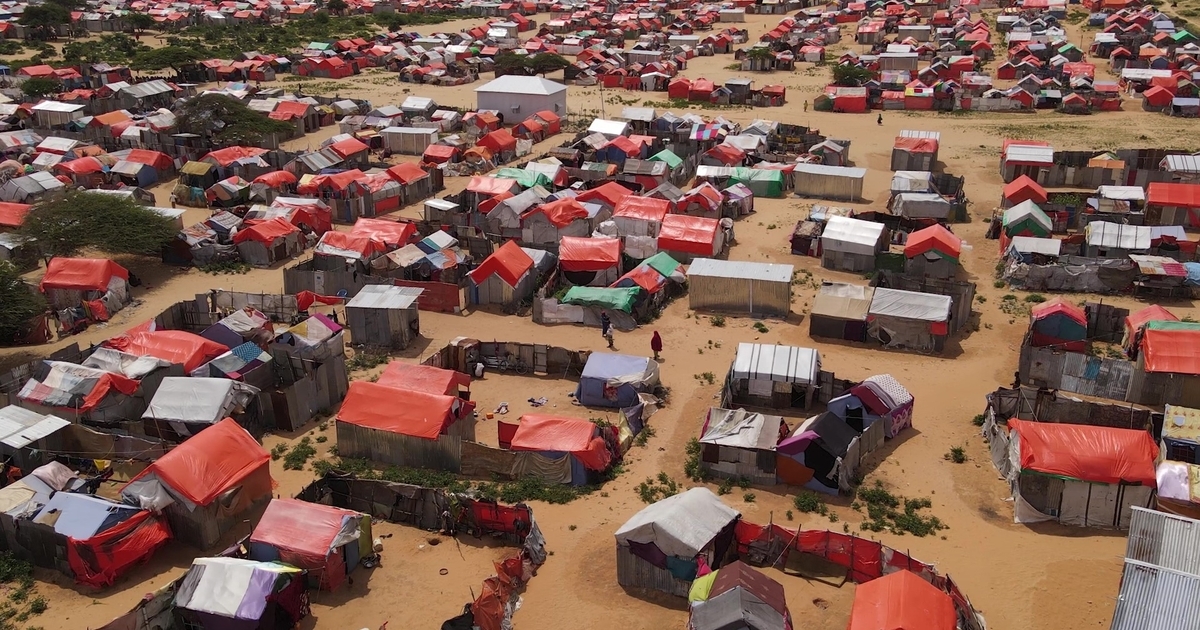
When people face a sudden crisis, finding a safe place to stay can become an urgent need. Emergencies can happen for many reasons, including homelessness, domestic abuse, severe weather, family problems, or other difficult situations. During these times, emergency shelters provide a safe space where people can rest, receive basic support and begin to plan their next steps. Many organisations depend on emergency shelters donations to provide food, clothing, bedding and other important supplies to people who need immediate help.
Emergency shelters are temporary places that provide accommodation and basic support to people who cannot safely stay in their usual homes. They may be run by charities, local councils, community groups or other organisations.
Shelters can support different groups of people. Some are designed for families, while others help single adults, young people, women escaping abuse or people experiencing homelessness. The type of support available can vary depending on the shelter and the needs of the local community.
The main aim is to provide safety and stability during a difficult period. A shelter may not be a permanent home, but it can give someone the time and support they need to find a more suitable long-term solution.
One of the most important roles of an emergency shelter is to provide a safe place to sleep. People in crisis may have nowhere else to go, particularly during cold weather or after losing their home.
Shelters can provide beds, blankets and secure sleeping areas. Some also have separate spaces for families or people with specific needs. Having a safe place to stay can reduce stress and help people feel more secure.
For someone who has spent several nights sleeping outside or moving between temporary places, access to a warm and safe room can make a major difference.
People arriving at an emergency shelter may not have enough food, clothing or personal items. Shelters often provide basic supplies to meet these immediate needs.
Depending on the organisation, support may include:
Hot meals and drinks
Toiletries and hygiene products
Clean clothing
Blankets and sleeping bags
Baby supplies
Basic medical items
Phone charging facilities
Laundry services
These simple items can help people regain a sense of comfort and dignity. Donations from members of the public can also help shelters keep these supplies available.
Homelessness is one of the major reasons people may need emergency accommodation in the UK. A person can become homeless because of rent problems, job loss, family breakdown, rising living costs or other personal circumstances.
Emergency shelters can provide more than a bed for the night. Staff may help people understand their housing options and connect them with local services.
They may also help with applications for housing, benefits or other forms of support. This can make it easier for someone to move from temporary accommodation towards a more stable home.
Cold weather can be especially dangerous for people who do not have a safe place to stay. During periods of very low temperatures, emergency shelters can provide warmth and protection.
Some organisations increase their services during winter and open additional spaces when the weather becomes severe. They may also provide warm meals, coats, blankets and sleeping bags.
The same principle applies during other emergencies. Flooding, fires and other local disasters can leave people without suitable accommodation. Shelters can offer temporary support while affected people work out what to do next.
Families facing a crisis may have extra needs. Parents may need a safe place for their children, along with food, clothing and suitable sleeping arrangements.
Family-focused shelters can provide a more suitable environment where parents and children can stay together. Staff may also help families access schools, healthcare, housing services and other local support.
Keeping families together during difficult periods can provide emotional comfort for both parents and children.
Some people need emergency accommodation because they are escaping an unsafe home. Specialist shelters and refuges can provide a secure place for people who are at risk of domestic abuse.
These services often offer more than accommodation. Trained staff can provide emotional support, safety planning and links to other services. They can help people understand their options and take steps towards a safer future.
Privacy and security are particularly important in these situations. Specialist organisations work carefully to protect the safety of the people they support.
A crisis can affect a person's confidence and emotional wellbeing. Someone who has lost their home, experienced violence or faced financial problems may feel frightened, stressed or alone.
Shelter staff and volunteers can offer a friendly and understanding presence. Simply having someone who listens without judgement can be valuable.
Some shelters also connect residents with counselling, mental health services or other specialist organisations. This helps people deal with both their immediate needs and longer-term challenges.
Emergency shelters often act as a link between people in crisis and other support services. A person may need help from several organisations before they can return to stable living.
Shelter workers may connect residents with:
Housing services
Local councils
Food banks
Healthcare providers
Employment services
Benefits advisers
Legal support
Family support organisations
This wider network can help people deal with the causes of their crisis rather than only solving the immediate problem.
Running an emergency shelter requires regular funding and supplies. Organisations need money to pay for accommodation, food, heating, cleaning, staff and other essential services.
Donations can help shelters respond when demand increases. Financial gifts may allow an organisation to buy exactly what is needed, while useful physical items can support people staying at the shelter.
Before donating physical goods, it is usually best to check what the organisation currently needs. Some shelters have limited storage space and may only accept certain items.
There are several ways people in the UK can support emergency shelters. Donating money is one option, but volunteering time can also be useful. Volunteers may help sort supplies, prepare food, organise donations or support community activities.
People can also raise awareness by sharing information about local shelters and their needs. Businesses, schools and community groups can organise collections for useful items such as toiletries, warm clothing and bedding.
Small contributions can become valuable when many people work together.
Emergency shelters are designed to meet immediate needs, but their wider role can be much greater. They can give people time to recover from a crisis and access the services they need.
A safe place to sleep can be the first step towards finding permanent housing. A warm meal can provide comfort during a difficult day. A conversation with a support worker can help someone understand where to turn for further assistance.
For this reason, emergency shelters remain an important part of community support across the UK.
Emergency shelters provide essential help to people facing difficult and uncertain situations. They offer safe accommodation, food, clothing and other basic supplies while connecting people with services that can support their longer-term needs.
Whether someone is experiencing homelessness, escaping an unsafe home or dealing with an unexpected emergency, having somewhere safe to go can make a real difference. Support from charities, volunteers, local communities and donors helps these shelters continue their work and ensures that people in crisis are not left without help.
Also, read: