English
 Arabic
 French
 Spanish
 Portuguese
 Deutsch
 Turkish
 Dutch
Dutch
 Italiano
 Russian
 Romaian
 Portuguese (Brazil)
 Greek
Greek
Mathura to Vrindavan Taxi | Mathura to Vrindavan Cab
Other |
2026-07-01 07:51:21
 Social Networth OS
 Creator Commerce
 Launch Startup
 Global News
 Creator Award
 Talkfever App
See All
Talkfever App
See All

Upgrade to Pro
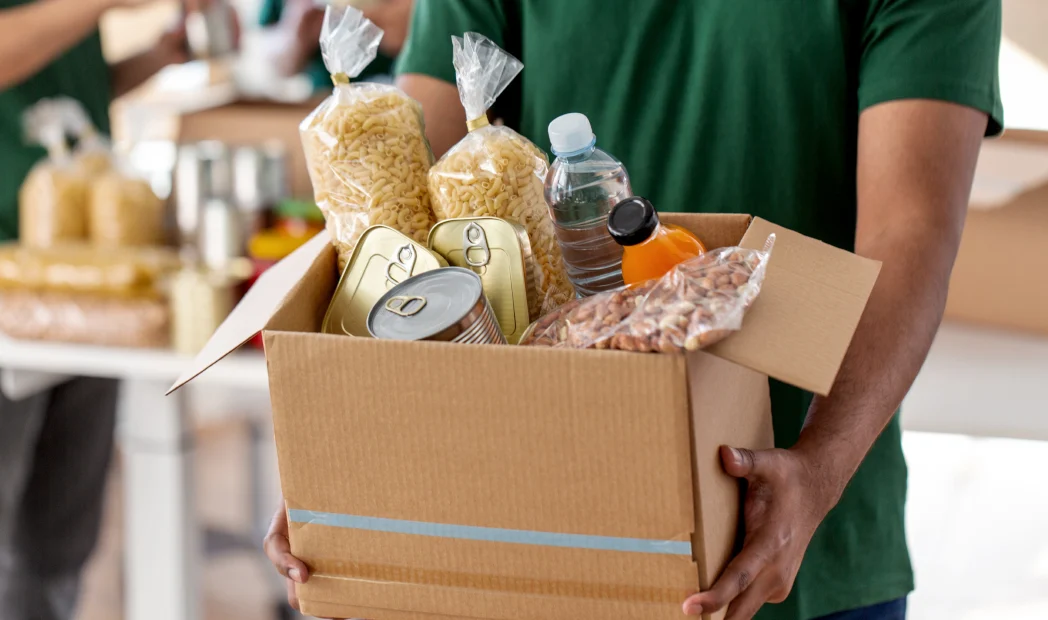
Food is one of the most basic needs for every person, yet many families across the UK struggle to afford enough nutritious meals every day. Rising living costs, unexpected financial problems, and difficult personal situations can make it challenging for people to provide regular food for themselves and their children. Donating food is a simple but powerful way to support those facing hardship and help create a more caring community.
When people share food with vulnerable families, they provide more than just a meal. They offer comfort, hope, and a sense that someone cares about their situation. Small acts of kindness can make a big difference in the lives of people who are going through difficult times. Even simple donations such as a food parcel, a tin of essential items, or a dates tin can help bring relief to families who need extra support.
One of the biggest benefits of donating food is that it helps vulnerable families access essential items they may not be able to buy regularly. Many low-income households have to make difficult choices between paying bills, buying food, and covering other important expenses.
Food donations can reduce this pressure by providing everyday items such as rice, pasta, canned foods, cereals, and other long-lasting products. These donations allow families to prepare meals without worrying as much about their next shopping trip. For parents, having enough food at home also means they can focus more on supporting their children and managing other responsibilities.
Children need healthy meals to grow, learn, and stay active. However, families experiencing financial difficulties may sometimes struggle to provide balanced food choices. Donating food helps ensure that children receive the nutrition they need during important stages of their development.
A healthy diet can improve children’s energy levels, concentration at school, and overall wellbeing. By supporting food donation programmes, communities can help give children a better chance to succeed. A simple contribution can play a role in creating a healthier future for young people.
Hunger is not only an issue in developing countries; it also affects many people in the UK. Food banks, charities, and community groups work hard to support individuals and families who are facing food insecurity.
Donating food helps these organisations continue their important work. When more people contribute, charities can reach more households and provide support where it is needed most. Regular donations help create a reliable source of assistance for people who may be struggling because of unemployment, illness, or financial challenges.
Food donations bring people together and encourage kindness within society. When individuals, businesses, and local groups work together to support vulnerable families, they help build stronger communities.
Helping others creates connections between people from different backgrounds. It reminds everyone that communities become better when people care for each other. Simple actions, such as donating unused food items or contributing to a charity food drive, can inspire others to do the same.
Receiving food support can have a positive emotional impact on families. Financial struggles can often cause stress, worry, and feelings of isolation. A thoughtful food donation shows people that they are not alone and that others want to help.
For many families, receiving support from charities and community members brings comfort during difficult periods. It provides reassurance and helps restore confidence. Knowing that others care can make challenging situations feel easier to manage.
Many UK charities depend on donations from the public to continue helping vulnerable families. Food donations allow these organisations to provide assistance quickly and effectively.
When charities have enough supplies, they can respond better to increasing demand. Donated food also allows them to focus their resources on other important services, such as advice, emergency support, and community programmes. Every donation contributes to their ability to reach more people in need.
Food donations also promote the importance of sharing resources responsibly. Many households have extra items that can be useful to others instead of being wasted. Donating these items helps reduce unnecessary waste while supporting families who need assistance.
Responsible sharing creates a more sustainable approach to helping others. It encourages people to think about how their choices can positively affect the wider community.
Many people face unexpected challenges, such as losing a job, dealing with rising costs, or experiencing family emergencies. During these times, access to food support can provide essential help.
Food donations act as a safety net for families when they need it most. They provide immediate assistance and help people manage temporary difficulties without feeling completely overwhelmed. This support can make a significant difference during challenging periods.
There are many ways people can support vulnerable families across the UK. Individuals can donate items directly to local food banks, support trusted charities, or take part in community food collection drives.
People can also encourage friends, family members, and workplaces to contribute. Even small donations collected regularly can create a meaningful impact over time. Businesses can also support local communities by organising food donation campaigns or charity partnerships.
Before donating, it is helpful to check what items are currently needed. Many charities request long-lasting foods, hygiene products, and household essentials that can support families for longer periods.
Donating food to vulnerable families is a meaningful way to support people facing difficult situations. It helps families meet their basic needs, reduces hunger, supports children, and strengthens local communities. Every donation, whether large or small, can provide comfort and hope to someone who needs support.
In the UK, food donations continue to play an important role in helping charities reach those experiencing hardship. By sharing resources and showing kindness, everyone can contribute to creating a more supportive and caring society.
Also, read: Yalla Choy vs. Spinach: What Are the Key Differences?