English
 Arabic
 French
 Spanish
 Portuguese
 Deutsch
 Turkish
 Dutch
Dutch
 Italiano
 Russian
 Romaian
 Portuguese (Brazil)
 Greek
Greek
Hack Your Sleep: The Ultimate Shift Work Disorder Light Schedule for Night Owls
Fitness |
2026-06-02 12:56:04
 Social Networth OS
 Creator Commerce
 Launch Startup
 Global News
 Creator Award
 Talkfever App
See All
Talkfever App
See All

Upgrade to Pro
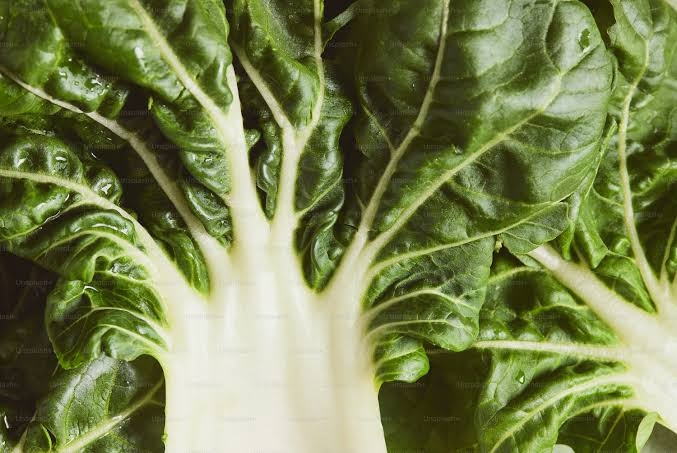
Yalla Choy and spinach are two popular leafy green vegetables that can add flavor, texture, and nutrients to everyday meals. While they may look similar at first glance, they have several differences when it comes to taste, texture, growing conditions, nutrition, and cooking methods.
Yalla Choy, also known as water spinach, is especially popular in warm and humid regions. Spinach, on the other hand, is better suited to cooler growing conditions and is widely used in cuisines around the world. Understanding these differences can help you decide which leafy green is better suited to your garden and meals.
Yalla Choy, scientifically known as Ipomoea aquatica, is a fast-growing leafy vegetable from the Morning Glory family. It naturally prefers warm, humid environments and moist soil.
The plant produces long, hollow stems with tender green leaves. Both the leaves and young stems can be harvested and are commonly used in stir-fries, soups, noodles, and rice dishes.
One of its biggest advantages for home gardeners is its rapid growth. When provided with warmth, sunlight, and consistent moisture, Yalla Choy can produce fresh shoots throughout the growing season.
Spinach is a cool-season leafy green known for its soft leaves and mild, slightly earthy flavor. It generally performs best in cooler temperatures and can be grown in garden beds, raised beds, and containers.
Spinach is extremely versatile in the kitchen. It can be eaten raw in salads or cooked into soups, pasta, curries, omelets, smoothies, and side dishes.
Compared with Yalla Choy, spinach has a softer texture, especially after cooking, while Yalla Choy tends to retain more of its stem-like crunch.
One of the clearest differences between these vegetables is the type of climate they prefer.
Yalla Choy thrives in warm and moist conditions. It generally grows best when temperatures are around 20°C to 35°C and performs well during warm seasons.
Spinach prefers cooler weather and is often grown during spring and fall in many regions. Hot temperatures can cause spinach to bolt quickly, making it less suitable for prolonged hot weather.
If you live in a warm climate, Yalla Choy may be easier to maintain during the hotter months. Gardeners in cooler regions may find spinach more suitable.
Yalla Choy has a mild, fresh flavor with tender leaves and crisp, hollow stems. The stems provide a pleasant crunch, particularly when lightly cooked.
Spinach has a softer texture and a mild, slightly earthy taste. Baby spinach is especially tender and is often enjoyed raw.
The choice between the two can therefore come down to personal preference. If you prefer a vegetable with more texture and crunchy stems, Yalla Choy may be the better option. If you prefer soft, delicate leaves, spinach may be more appealing.
Both vegetables can contribute useful nutrients to a balanced diet. They contain vitamins, minerals, fiber, and plant compounds while being relatively low in calories.
Yalla Choy provides nutrients such as vitamin A, vitamin C, calcium, and iron. It also has a high water content, which contributes to its fresh and crisp texture.
Spinach is particularly well known for its iron, folate, vitamin A, vitamin C, and vitamin K content. However, the exact nutritional value of either vegetable can vary depending on the variety, growing conditions, freshness, and cooking method.
Rather than considering one vegetable universally healthier than the other, including a variety of leafy greens in your diet can provide a broader range of nutrients.
Yalla Choy is especially popular in Asian-style dishes. Its leaves and tender stems work well in:
Spinach is even more versatile and can be used in both raw and cooked recipes. Popular options include:
Yalla Choy is often cooked briefly to preserve the texture of its stems, while spinach can be eaten raw or cooked until soft.
The answer largely depends on your local climate.
If your garden experiences warm temperatures and moist growing conditions, Yalla Choy can be a productive choice. It grows quickly and can be harvested repeatedly.
If you live in an area with cooler growing seasons, spinach may be easier to grow. It can establish well during mild weather but may struggle during prolonged heat.
Both vegetables can also be grown in containers, so you don't necessarily need a large garden to enjoy either one.
Choosing between Yalla Choy and spinach depends on what you want from your garden and your kitchen.
Choose Yalla Choy if you want:
Choose spinach if you want:
Yalla Choy and spinach are both excellent leafy greens, but they suit different growing conditions and culinary preferences. Yalla Choy stands out for its quick growth, moist-soil preference, and crisp stems, while spinach is valued for its soft leaves, cool-season growth, and versatility in the kitchen.
There is no need to choose only one. If your climate and garden space allow, growing both can give you fresh leafy greens across different seasons and provide more variety in your everyday meals.