English
 Arabic
 French
 Spanish
 Portuguese
 Deutsch
 Turkish
 Dutch
Dutch
 Italiano
 Russian
 Romaian
 Portuguese (Brazil)
 Greek
Greek
Steps to Build a Successful Real Estate Mobile App Development Strategy
Uncategorized |
2026-03-16 07:01:57
 Social Networth OS
 Creator Commerce
 Launch Startup
 Global News
 Creator Award
 Talkfever App
Mostra tutti i risultati
Talkfever App
Mostra tutti i risultati

Passa a Pro
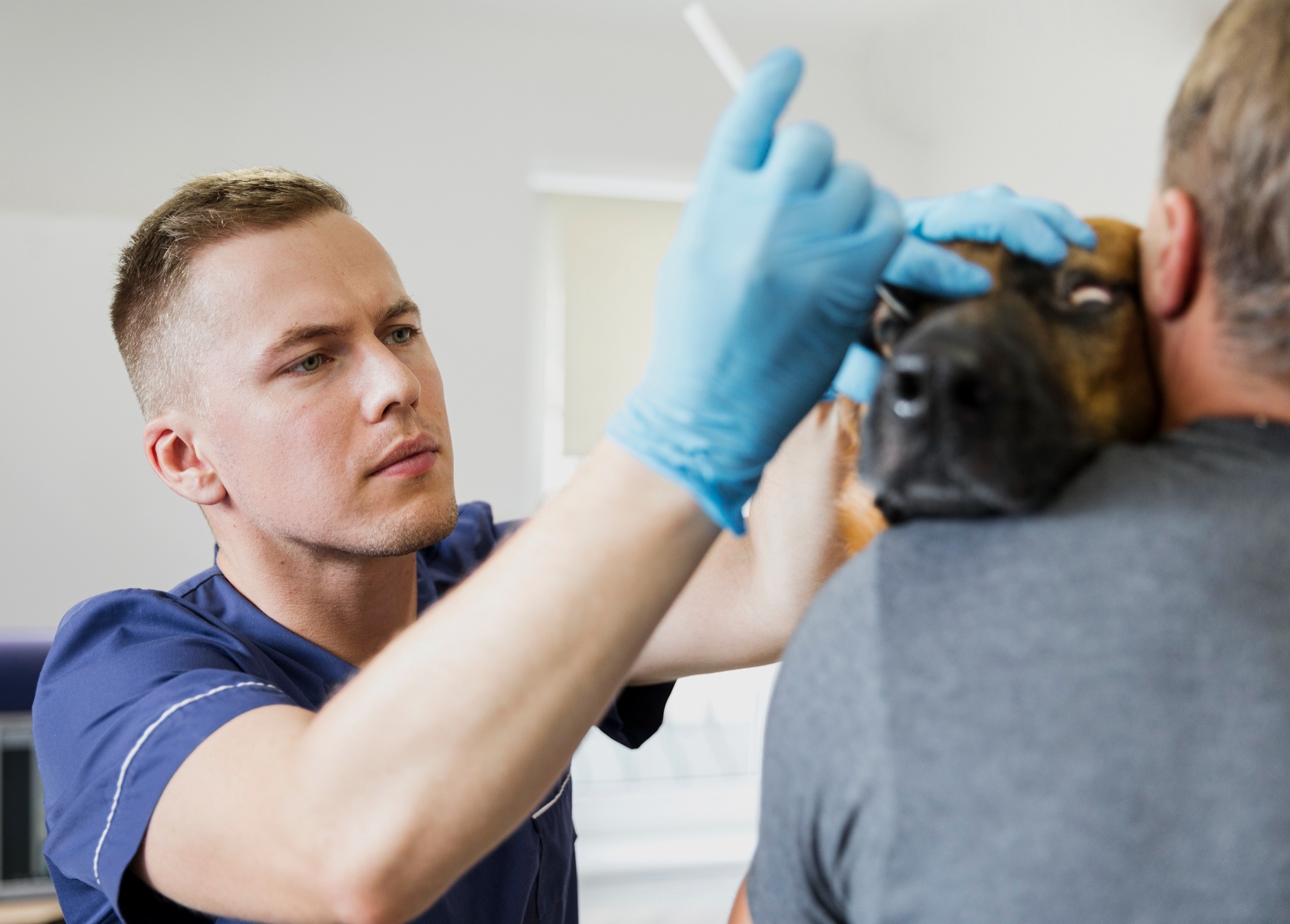
Responsible pet ownership involves much more than providing food, shelter, exercise, and affection. Pet Care also means taking practical steps to protect a pet if something unexpected happens. Pets can escape through an open gate, slip out during a walk, or become separated from their owners during travel or emergencies. Even the most careful owners cannot prevent every situation.
Microchipping is one simple measure that can make a major difference when a pet goes missing. A tiny identification chip placed under the skin can help connect a lost animal with its owner, provided the owner's contact information is registered and kept up to date. Understanding how microchipping works and why it matters can help pet owners make a responsible decision about their animal's long-term safety.
A pet microchip is a small electronic identification device, generally about the size of a grain of rice. It is implanted beneath the animal's skin using a specialized applicator. The procedure is quick and does not require a major surgical operation.
The chip contains a unique identification number. It does not function as a GPS tracker, so owners cannot use it to see their pet's live location. Instead, when a lost pet is found, a veterinarian, animal shelter, or authorized professional can scan the chip with a compatible reader. The identification number can then be matched with information stored in a pet recovery database.
For the system to work effectively, owners need to register the chip and make sure their contact details remain current.
Pets do not always stay where we expect them to. A frightened dog may run away after hearing a loud noise, while a curious cat may wander farther than usual. Collars and identification tags can help, but they can also fall off, become damaged, or be removed.
A microchip provides a more permanent form of identification. Because it is placed beneath the skin, it cannot simply fall off like a collar tag. This can be particularly useful when a lost animal is found without visible identification.
Microchipping also provides an extra layer of protection alongside collars, tags, and other identification methods. Using several forms of identification gives a lost pet a better chance of being connected with its family.
One of the biggest advantages of microchipping is the potential to speed up the reunification process. When a shelter or veterinary clinic finds a stray pet, staff can scan for a microchip. If the chip is registered correctly, they may be able to contact the owner.
This can reduce uncertainty for both the animal and its family. Instead of relying only on posters, social media posts, or word of mouth, there is an identification method that travels with the pet.
However, the microchip itself does not guarantee a reunion. The database information must be accurate, and the owner needs to respond when contacted. This is why updating contact information after moving, changing phone numbers, or changing ownership is extremely important.
Microchipping is not limited to a particular breed, size, or lifestyle. Small companion animals can become lost just as easily as larger pets. Owners of Big Dog Breeds may assume that a large dog is easier to identify or locate, but size does not prevent an animal from escaping or becoming separated from its family.
Travel, unfamiliar surroundings, open doors, damaged fences, and unexpected events can put any pet at risk. Microchipping gives owners an additional identification option regardless of their pet's size or breed.
Pet travel can introduce additional situations where reliable identification becomes important. Moving to another city, visiting family, going on vacation, or relocating to a new country can expose pets to unfamiliar environments.
Before traveling, owners should check the identification and documentation requirements that apply to their destination. A microchip may be required for certain types of international pet travel, while other destinations may have additional vaccination or documentation rules.
Even when a microchip is not legally required, having reliable identification can provide extra reassurance during a journey.
Getting a pet microchipped is only the first step. Registration is equally important.
If an owner moves to a new address but does not update the database, the microchip may lead to outdated information. Similarly, an old phone number or email address can make it difficult for a shelter or veterinarian to reach the owner.
Pet owners should keep a record of the microchip number and check that their details are correct. It is also useful to ask a veterinarian to scan the chip during routine visits to confirm that it can still be detected properly.
Whenever contact details or ownership information changes, the database should be updated as soon as possible.
Although microchipping offers an important form of permanent identification, it should not replace visible identification. A collar with a current identification tag allows someone who finds a pet to contact the owner immediately without needing access to a microchip scanner.
The best approach is to use both methods. A secure collar and identification tag provide visible information, while a microchip provides a backup that remains with the pet.
Pet owners should also make sure collars fit properly and that identification tags remain readable.
Responsible pet ownership means preparing for situations that may never happen. Microchipping is a relatively simple preventive measure that can be valuable if a pet becomes lost.
It does not replace supervision, secure fencing, training, or careful handling. Instead, it complements these practices by providing a reliable form of identification that remains with the animal.
Taking the time to microchip a pet, register the chip, and maintain accurate contact information demonstrates thoughtful preparation. For owners, it can provide greater peace of mind. For pets, it can increase the possibility of finding their way home after an unexpected separation.
Microchipping matters because pets can become lost even when their owners take every reasonable precaution. A registered and properly maintained microchip gives shelters, veterinarians, and other authorized professionals a way to identify an animal and potentially reconnect it with its family.
For the strongest protection, pet owners should combine microchipping with a collar, visible identification tag, secure surroundings, and responsible supervision. Most importantly, they should keep the registration details updated throughout the pet's life.
A tiny chip may seem insignificant, but when a beloved pet goes missing, that small piece of identification can become an important link between an animal and the family waiting for it.