English
 Arabic
 French
 Spanish
 Portuguese
 Deutsch
 Turkish
 Dutch
Dutch
 Italiano
 Russian
 Romaian
 Portuguese (Brazil)
 Greek
Greek
"Your Guide to Celebrity Cruise Assistance from Booking to Boarding"
Other |
2025-04-22 11:22:54
 Social Networth OS
 Creator Commerce
 Launch Startup
 Global News
 Creator Award
 Talkfever App
TOON ALLES
Talkfever App
TOON ALLES

Upgrade to Pro
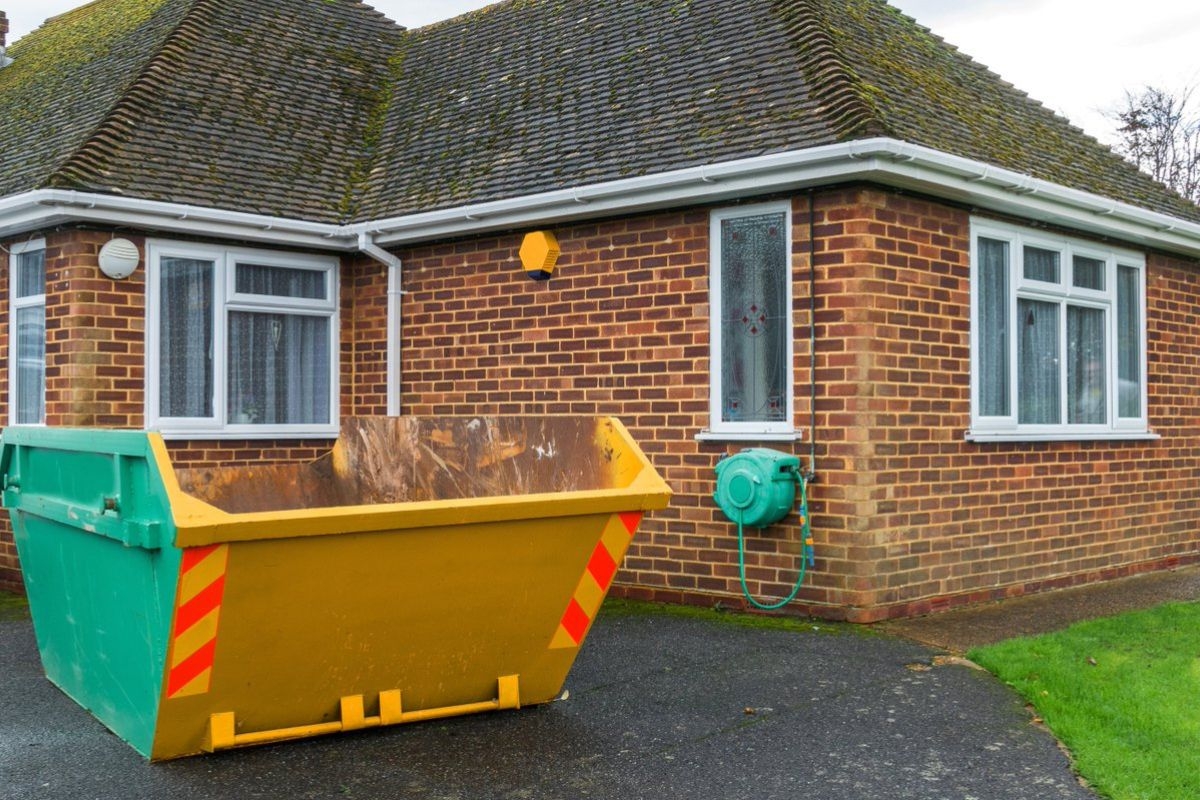
When you start a home or garden project, one of the first things to think about is how you will remove the waste. Whether you are clearing out a garage, updating a kitchen, or cutting back garden waste, choosing the right skip size helps you save both time and money. A skip that is too small may fill up quickly, while one that is too large can cost more than needed.
Many homeowners across the UK choose mini skip hire because it offers a simple and affordable way to deal with waste from small projects. Before you book a skip, it is important to understand the different sizes available and which one suits your job best.
This guide explains how to choose the right skip size, what types of waste each skip can hold, and how to avoid common mistakes.
The size of your skip affects both the cost and the convenience of your project. Picking the right size means you can:
Avoid paying for extra space you do not need.
Reduce the chance of needing another skip.
Keep your work area clean and tidy.
Finish your project more quickly.
Dispose of waste safely and legally.
A little planning before booking can make your project much easier.
Skip sizes are usually measured in cubic yards. Each size is suitable for different types of jobs.
A 2-yard skip is one of the smallest options available. It is ideal for:
Small garden clearances
Bathroom updates
Household rubbish
DIY waste
It can hold around 20 to 30 bin bags of waste.
A 4-yard skip is one of the most popular choices for homeowners.
It works well for:
Kitchen renovations
Garden landscaping
Loft clearances
Small home improvement projects
It can usually hold around 40 to 50 bin bags.
This skip is suitable for slightly larger projects.
It is often used for:
Home renovations
Office clearances
Building waste
Larger garden projects
It holds approximately 60 to 70 bin bags.
The type of work you are doing helps decide the right skip size.
If you are removing grass, branches, leaves, and soil, a small or medium skip is often enough. However, large amounts of soil or heavy materials may require a larger skip because of weight limits.
Painting, decorating, replacing flooring, or fitting new furniture usually creates less waste than full renovations. A small skip is often suitable.
Old cupboards, tiles, sinks, and worktops take up more room. A medium-sized skip normally offers enough space.
Garages and lofts often contain unwanted boxes, furniture, and old equipment. Estimate the amount of waste before choosing a skip.
Weight is just as important as volume.
Heavy materials include:
Bricks
Concrete
Soil
Stones
Rubble
Light materials include:
Cardboard
Wood
Plastic
Furniture
Clothing
Even if heavy waste does not fill the skip completely, it may reach the weight limit. Always check the weight allowance before booking.
Every skip has a fill line that should not be exceeded.
Overfilling a skip can:
Create safety risks during transport.
Break local waste regulations.
Lead to extra charges.
Delay waste collection.
If you think your waste may exceed the skip capacity, choosing the next size up is often the better option.
Most household and building waste is accepted, including:
Wood
Metal
Furniture
Garden waste
Brick and rubble
Plastic
Cardboard
However, some items are not normally allowed.
These often include:
Paint tins with liquid paint
Asbestos
Gas bottles
Tyres
Batteries
Electrical equipment
Chemicals
Medical waste
Always ask your skip provider if you are unsure about any item.
Before booking, decide where the skip will go.
Many people place skips on:
Driveways
Private land
Gardens
Building sites
If the skip needs to be placed on a public road, you may need a permit from your local council. Your skip company can often arrange this for you.
Also make sure there is enough space for the delivery vehicle to access your property safely.
Skip prices vary depending on:
Skip size
Hire period
Your location
Type of waste
Permit requirements
The cheapest option is not always the best value. Look for companies that include delivery, collection, and waste disposal within the quoted price.
Always ask whether there are any additional charges before booking.
Booking your skip in advance helps avoid delays, especially during busy seasons.
Think about:
When your project starts
How long you need the skip
When the waste will be ready
Collection dates
Planning ahead keeps your project running smoothly.
Many people make simple mistakes when hiring a skip.
These include:
Choosing a skip that is too small.
Underestimating the amount of waste.
Forgetting about heavy materials.
Overfilling the skip.
Placing prohibited items inside.
Leaving booking until the last minute.
Avoiding these mistakes saves both time and money.
If you are unsure which skip size to choose, speak with the skip hire company before booking.
Experienced providers can recommend the right size based on:
Your project type
The amount of waste
The materials you are removing
Your available space
This advice helps prevent unnecessary costs and ensures you hire the correct skip the first time.
Choosing the right skip size is an important part of any small project. A skip that matches your needs makes waste removal quicker, safer, and more cost-effective. Think about the type of project, the amount of rubbish, the weight of the materials, and where the skip will be placed before making your decision.
With a little planning, you can complete your home improvement, garden clearance, or DIY project without worrying about waste. Taking the time to select the correct skip size will help keep your project organised, reduce costs, and make the entire process much easier.
Also, read: How Often Should Western Springs Antique Rugs Be Cleaned?