 English
 Arabic
 French
 Spanish
 Portuguese
 Deutsch
 Turkish
 Dutch
Dutch
 Italiano
 Russian
 Romaian
 Portuguese (Brazil)
 Greek
Greek
US Maritime Decarbonization Market Growth in 2025-2034: Dynamics, Opportunities, and Strategies
Other |
2025-04-14 06:35:33
 Social Networth OS
 Creator Commerce
 Launch Startup
 Global News
 Creator Award
 Talkfever App
See All
Talkfever App
See All

Upgrade to Pro
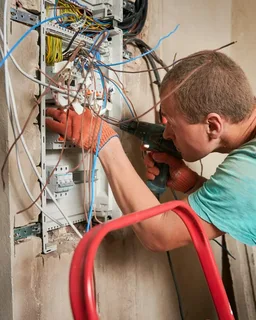
EICR in Brent inspections help identify electrical defects, potential hazards, overloaded circuits, and inadequate protective measures. Professional testing also helps landlords maintain safer accommodation while meeting applicable electrical safety responsibilities.Property owners should understand each inspection stage before arranging electrical safety checks for rental properties.
In 2027, landlords should prepare for thorough electrical inspections performed by properly qualified and competent professionals. EICR in Brent requirements remain particularly important for rented homes across England. Current government guidance requires electrical installations to be inspected and tested at least every five years.
The first step involves selecting a competent person capable of inspecting and testing electrical installations properly. Property owners should verify relevant qualifications, experience, and professional competence before confirming an appointment. Choosing an unsuitable inspector can create unnecessary compliance concerns and unreliable electrical safety documentation.
Property owners should prepare every accessible area containing fixed electrical components before the electrician arrives. Furniture, stored belongings, and locked cupboards can prevent proper examination of sockets, switches, consumer units, and connected equipment. Clearing access beforehand allows inspectors to work more efficiently.
The electrician normally begins by examining the electrical installation visually before conducting detailed testing. This initial assessment helps identify visible damage, unsuitable alterations, signs of overheating, and potentially dangerous installation conditions. The inspector also considers whether electrical components appear suitable for continued service.
Inspectors assess important safety features such as earthing and bonding arrangements. These measures help reduce electric shock risks when electrical faults occur. Government guidance identifies inadequate earthing or bonding as conditions inspectors should consider during electrical installation assessments.
Testing can also identify overloaded circuits, defective electrical work, and potential fire hazards. Electrical measurements provide evidence that supports the inspector's professional conclusions. Property owners should therefore avoid switching off circuits unnecessarily before arrival unless instructed by their electrician.
Consumer units receive particular attention because they control and protect electrical circuits throughout many properties. Inspectors assess their condition, suitability, protective devices, labelling, and other relevant safety characteristics. Older installations may require closer examination when components show deterioration or questionable modifications.
The inspection aims to identify conditions that could create electric shock, fire, or other electrical hazards. Inspectors consider defective wiring, damaged accessories, overloaded circuits, and inadequate protective arrangements. They may also identify poor workmanship or changes that have compromised the original electrical installation.
Following inspection and testing, the electrician prepares an Electrical Installation Condition Report. This document records relevant findings and provides an overall assessment of the installation. Property owners should read the report carefully rather than simply checking whether it appears satisfactory.
Current government guidance requires landlords to provide existing tenants with report copies within 28 days. New tenants should receive the report before occupying the property. Prospective tenants requesting copies should receive them within 28 days of making their request.
Owners should use suitably qualified electrical professionals for remedial work rather than attempting potentially dangerous repairs themselves. Once work is completed, appropriate certification or written confirmation should demonstrate that identified issues received attention. This documentation should remain alongside the original inspection report.
Property owners should maintain organised records containing reports, certificates, remedial documentation, and relevant maintenance information. Accurate records make future inspections easier and help demonstrate responsible property management. They can also provide useful evidence when tenants, agents, councils, or prospective occupants request documentation.
Electrical safety responsibilities should form part of a broader property management system rather than an isolated annual task. Owners can create reminders for inspection dates, certificate renewals, repairs, tenant documentation, and electrical maintenance. This approach reduces the possibility of missed deadlines and overlooked safety concerns.
One common mistake involves arranging an inspection without checking whether every electrical area remains accessible. Inspectors may need access to consumer units, sockets, switches, fixed equipment, and other relevant installation components. Restricted access can prevent comprehensive inspection and potentially require additional arrangements later.
Professional electrical inspections provide structured evidence about the condition of a property's fixed electrical installation. They can reveal hidden concerns that ordinary visual checks might miss. Accurate reporting also gives property owners clearer information when planning repairs, improvements, budgets, and future compliance activities.
Landlords in England must arrange electrical installation inspection and testing at least every five years. An earlier inspection may become appropriate when circumstances or previous findings indicate additional attention. The report can also specify when another inspection should occur.
The inspection covers fixed electrical installations, including wiring, sockets, switches, lighting, consumer units, and permanently connected equipment. Specialist circuits may also fall within the inspection scope. The precise inspection approach depends upon the property's electrical installation and its characteristics.
C1 indicates immediate danger, while C2 identifies potentially dangerous conditions requiring remedial attention. Landlords must arrange required remedial work within 28 days, unless the report specifies shorter action. Written confirmation should follow completion of required work.
Not necessarily. A valid report does not automatically require replacement before every new tenancy. If the previous inspection occurred within five years and requires no further investigation or remedial work, the existing report can generally be provided to the new tenant.
Yes, maintaining previous reports supports organised compliance and provides useful information for future inspections. Landlords should retain reports until the next inspection becomes due or occurs later. Previous documentation should also be available to the professional conducting subsequent inspections.
Understanding the inspection sequence helps property owners prepare efficiently and respond appropriately to electrical findings. In 2027, EICR in Brent inspections should be approached as an essential property safety responsibility. Choosing competent professionals, maintaining records, completing remedial work, and monitoring inspection dates can support safer rental accommodation and responsible compliance.


