 English
 Arabic
 French
 Spanish
 Portuguese
 Deutsch
 Turkish
 Dutch
Dutch
 Italiano
 Russian
 Romaian
 Portuguese (Brazil)
 Greek
Greek
Comprehensive Analysis of the United States Steam Autoclaves Market 2031
Health |
2026-06-30 14:40:11
 Social Networth OS
 Creator Commerce
 Launch Startup
 Global News
 Creator Award
 Talkfever App
عرض كل النتائج
Talkfever App
عرض كل النتائج

ترقية الحساب
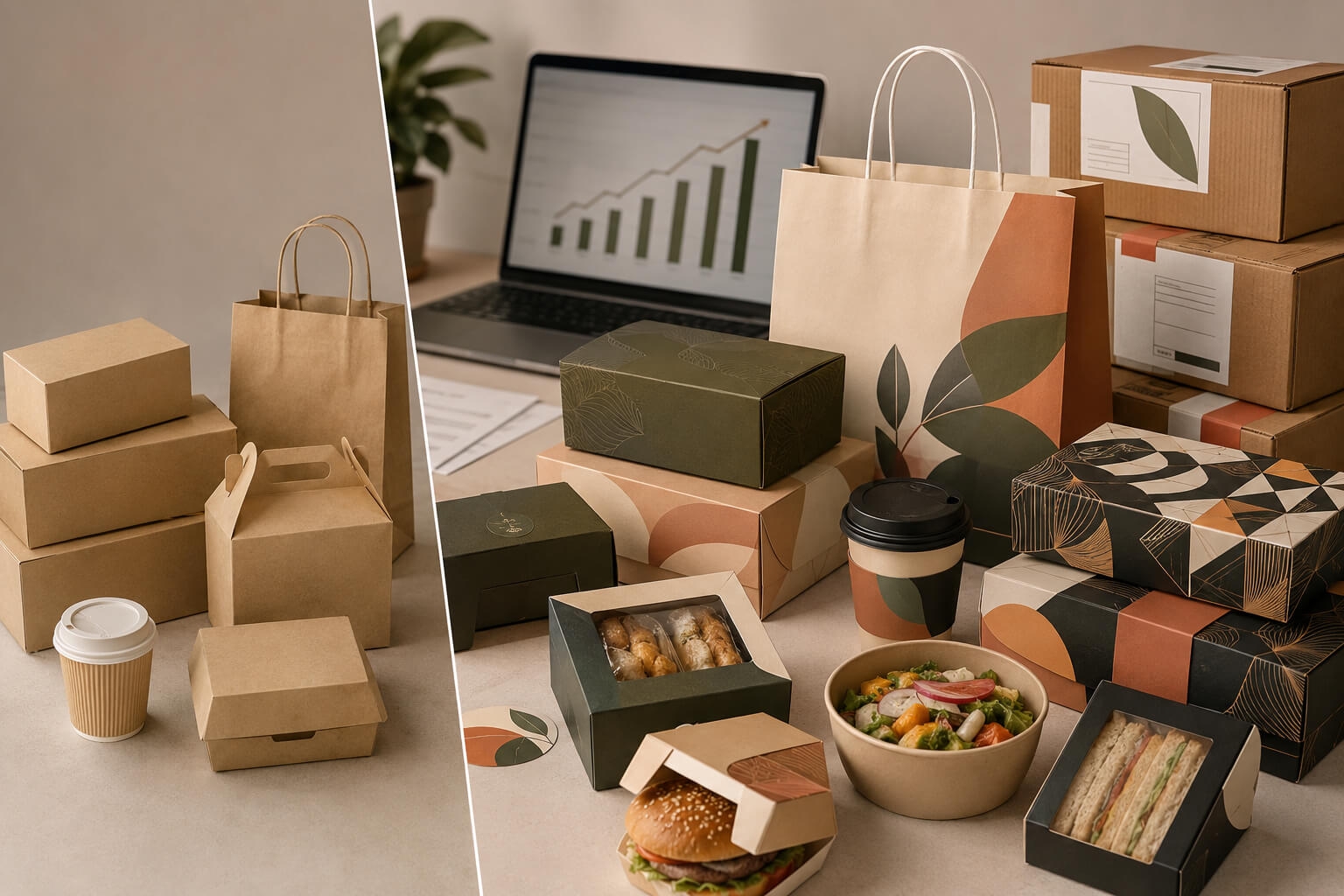
Food safety often gets discussed in terms of what happens inside a kitchen or a processing facility: proper cooking temperatures, sanitized equipment, careful ingredient handling. Packaging tends to get far less attention in that conversation, even though it's doing critical safety work of its own, all the way from the moment food leaves a facility to the moment it reaches someone's plate. A box isn't just a container. It's often the last line of defense against contamination, spoilage, and physical damage, and for food brands, understanding exactly how packaging contributes to safety is essential, not optional.
The most fundamental job of any food packaging box is creating a physical barrier between the product and outside contaminants, dust, insects, airborne bacteria, and general environmental exposure. Without that barrier, food is vulnerable at every stage of its journey: manufacturing, storage, transport, and retail display. A single weak point in that barrier can undo careful safety work done everywhere else in the supply chain.
Food boxes also protect against contamination from other nearby products, particularly important during storage and shipping, where different food items are often stacked or stored close together. Proper sealing and material choice prevent odors, moisture, or bacteria from one product affecting another, a concern that becomes especially serious with raw proteins or allergen-containing products.
Many food safety issues stem from improper moisture or oxygen exposure rather than direct contamination. Excess moisture encourages mold growth, while oxygen exposure accelerates spoilage and oxidation. Packaging materials and seals are specifically chosen to manage these factors based on the particular food product involved, extending safe shelf life and reducing the risk of spoiled product reaching a customer.
Structural protection matters for food safety in ways that aren't always obvious. Crushed packaging can compromise seals, expose food to contaminants, or in categories involving glass containers, create genuine safety hazards from breakage. A sturdy, well-constructed box absorbs handling stress that would otherwise reach the product directly.
Food boxes frequently carry batch numbers, production dates, and lot information that become critical during a recall or safety investigation. This traceability function is a quiet but essential part of packaging's safety role, allowing potentially unsafe products to be identified and removed from circulation quickly and accurately.
Packaging materials that come into direct contact with food need to meet specific food-grade safety standards, ensuring they don't leach harmful chemicals or substances into the product. This applies to inks, coatings, and adhesives as well as the base material itself, and it's a requirement brands need to confirm explicitly with suppliers rather than assume by default.
A single packaging material rarely serves every food category well. High-moisture foods need different barrier properties than dry goods. Greasy or oily foods need grease-resistant coatings that plain paperboard can't provide on its own. Matching material properties to the specific food product is a safety decision, not just a design one.
Brands moving toward more sustainable packaging shouldn't assume this requires sacrificing safety performance. Many food-safe certified materials, including certain recycled and compostable options, meet the same safety standards as conventional packaging, though it's important to confirm specific certifications rather than assuming all sustainable materials are automatically food-safe for every use case.
Most regions require specific information on food packaging, ingredients, allergens, nutritional facts, and manufacturer details. These requirements exist specifically to protect consumer safety, allowing customers to make informed decisions about products, particularly critical for anyone managing allergies or specific dietary restrictions.
Beyond labeling, packaging materials themselves are subject to safety regulations governing what can safely contact food. Non-compliant materials can result in real health risks along with significant legal and reputational consequences for a brand, including potential recalls that are far more costly than getting material selection right from the outset.
A packaging failure, whether from non-compliant materials, inadequate sealing, or poor structural design, can lead to product recalls, regulatory fines, and lasting damage to consumer trust that's often far harder to rebuild than the cost of proper packaging would have been in the first place.
Before finalizing packaging for any product, confirming food-grade certifications, material safety documentation, and regional regulatory compliance should happen early in the process, not as an afterthought discovered after a product has already shipped.
Products with higher spoilage risk, raw proteins, dairy, anything with a shorter shelf life, generally need more robust barrier properties and stricter quality control than shelf-stable dry goods. Understanding a product's specific risk profile should directly inform material and design choices.
Packaging that performs well in controlled testing can behave differently during actual shipping, handling, and storage. Real-world testing, tracking a product through its actual supply chain, helps catch potential safety issues before they reach customers.
Batch numbers, lot codes, and production dates should be planned into packaging design early, rather than added as an afterthought, ensuring this critical safety information is clear, legible, and consistently applied across production runs.
Food packaging boxes carry real safety responsibility that goes well beyond simply holding a product together. From blocking contamination and managing moisture to supporting recall traceability and meeting regulatory material standards, packaging is an active, essential part of a food brand's overall safety system, not a separate, secondary consideration. Brands that treat packaging with the same seriousness given to ingredient sourcing and food handling practices build a stronger, more reliable foundation for protecting the people who ultimately consume their products.
What's the most important safety function of food packaging?
It depends on the specific product, but barrier protection against contamination, moisture, and oxygen tends to matter most across a wide range of food categories, since these factors directly affect spoilage risk and shelf life.
Can eco-friendly food packaging meet the same safety standards as conventional materials?
Yes, many sustainable materials, including certain recycled and compostable options, meet food-safe certification standards. It's important to confirm specific certifications with a supplier rather than assuming all eco-friendly materials are automatically safe for every food application.
What happens if food packaging doesn't meet safety regulations?
Non-compliant packaging can lead to product recalls, regulatory fines, and significant damage to consumer trust. It's generally far less costly to confirm compliance during material selection than to address a safety issue after products have already reached customers.
Why does packaging need to support traceability?
Batch numbers, lot codes, and production dates printed on packaging allow potentially unsafe products to be identified and removed from circulation quickly during a recall or safety investigation, making traceability a core part of packaging's overall safety function.
Do different food products need different types of packaging for safety reasons?
Yes. High-moisture foods, oily or greasy foods, and dry shelf-stable goods all require different barrier properties, so packaging material should be matched specifically to the product's characteristics rather than using a single generic solution across an entire product line.
How can a food brand confirm its packaging is genuinely safe?
Confirming food-grade certifications and material safety documentation with suppliers, testing packaging under real shipping and storage conditions, and staying current with regional labeling and material regulations are the most reliable ways to ensure packaging safety before a product reaches customers.


