English
 Arabic
 French
 Spanish
 Portuguese
 Deutsch
 Turkish
 Dutch
Dutch
 Italiano
 Russian
 Romaian
 Portuguese (Brazil)
 Greek
Greek
Smartphone Market Development, Key Opportunities, Key Players Challenges-2030
Other |
2025-04-28 07:21:59
 Social Networth OS
 Creator Commerce
 Launch Startup
 Global News
 Creator Award
 Talkfever App
Mostra tutti i risultati
Talkfever App
Mostra tutti i risultati

Passa a Pro
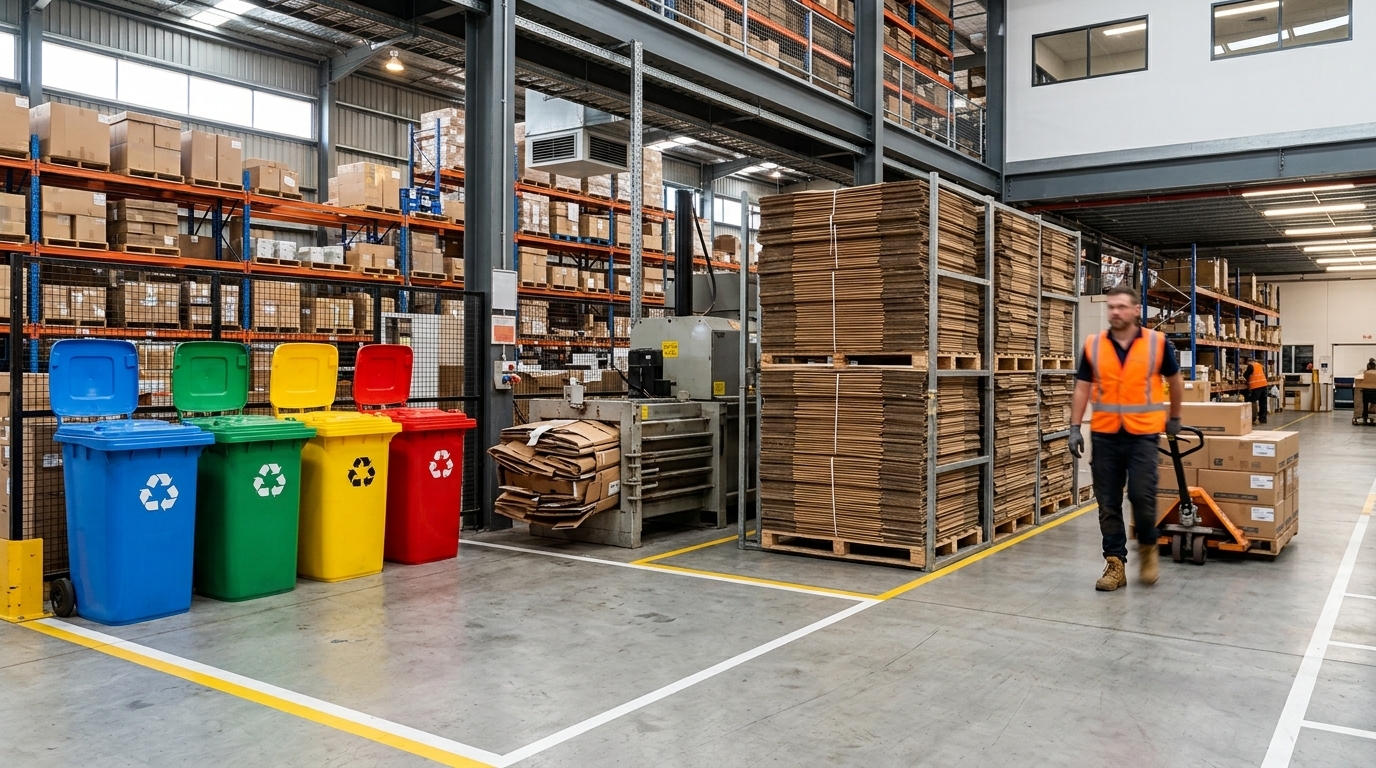
Warehouses play an important role in storing, organising, and moving products. However, daily warehouse activities can also create a surprising amount of waste, including cardboard, plastic wrapping, damaged goods, food waste, pallets, and general rubbish.
Reducing this waste is not only better for the environment. It can also help a warehouse save money, improve workplace safety, and make everyday operations more efficient. The good news is that most warehouses can reduce waste without making major changes to their entire system.
The key is to understand where waste comes from and then make small improvements that can be followed consistently. From better stock control to smarter packaging, there are several practical ways warehouses can reduce the amount of waste they produce.
The first step in reducing waste is knowing exactly what is being thrown away. A warehouse may produce waste from many different activities, so it is useful to look at each part of the operation separately.
Common examples include cardboard boxes, plastic film, damaged pallets, broken packaging, expired stock, unwanted labels, paper documents, and damaged products. Some warehouses may also produce hazardous waste from cleaning products, batteries, oils, or other materials.
A simple waste audit can help identify the biggest sources. Staff can record what types of waste are produced, how often they appear, and approximately how much is being discarded.
Once this information is available, managers can focus on the areas where the biggest improvements are possible. There is little value in changing a process that creates very little waste while ignoring a major source that is costing the business money.
Poor stock control can lead to unnecessary waste. Products that are forgotten at the back of a warehouse may become outdated, damaged, or unusable before they are sold or delivered.
A better stock management system can help businesses keep track of what they have and where it is stored. Stock should be rotated properly so older products are used or dispatched before newer items where appropriate.
Warehouse teams should also check storage conditions. Temperature, humidity, sunlight, and poor handling can all affect certain products.
Good stock control supports better warehouse waste management by reducing the number of products that become waste in the first place. It also helps businesses avoid over-ordering, which can create unnecessary storage costs and increase the chance of products becoming obsolete.
Packaging is one of the most visible types of waste produced by warehouses. Cardboard boxes, plastic wrapping, bubble wrap, tape, and other packaging materials can quickly build up during busy periods.
One way to reduce this problem is to review how products are packed. If a small item is regularly placed inside a much larger box, for example, the warehouse may be using more cardboard and protective material than necessary.
Businesses can introduce packaging sizes that better match their products. Reusable containers can also be considered for items that move repeatedly between the same locations.
Another useful approach is to reuse packaging materials when it is safe and practical. Clean boxes, pallets, and protective materials may be suitable for another shipment instead of being thrown away after one use.
Even the best waste reduction system will struggle if employees do not understand how it works. Warehouse staff are involved in handling products every day, so their actions can have a major effect on the amount of waste produced.
Training does not need to be complicated. Workers can be shown how to separate different waste materials, handle products correctly, use packaging carefully, and report damaged goods.
Clear signs can also be placed near waste areas. For example, separate containers can be labelled for cardboard, plastic, metal, and general waste.
It is also important to explain why these changes matter. Employees are more likely to follow a process when they understand how it helps the business and the environment.
Damaged products are another major source of warehouse waste. Items can be damaged during unloading, storage, picking, packing, or transportation.
The first step is to find out when most damage occurs. If products are regularly damaged during picking, the layout or handling process may need to be reviewed.
Shelving should be suitable for the products being stored. Heavy items should not be placed where they can easily fall, while fragile goods should have suitable protection.
Warehouse equipment should also be maintained properly. Faulty forklifts, damaged shelving, and unsuitable handling equipment can increase the risk of accidents and product damage.
Preventing damage is usually more effective than dealing with damaged goods later. It protects stock, reduces replacement costs, and lowers the amount of material that eventually needs to be discarded.
Not every material that looks like waste needs to be thrown away immediately. Some items can have a second use within the warehouse or elsewhere in the business.
For example, wooden pallets may be repaired and reused instead of being discarded. Strong cardboard boxes can sometimes be used for internal storage or future shipments.
Reusable plastic containers can also replace single-use packaging in suitable operations. This can reduce the amount of packaging purchased over time.
Warehouses can create a simple reuse area where suitable materials are kept instead of being placed straight into general waste. Staff can then check this area before ordering or opening new materials.
Reusing materials reduces waste at its source. It can also lower purchasing costs, which makes the approach useful from both an environmental and business perspective.
Recycling becomes much easier when waste is separated correctly. If cardboard, plastic, metal, and general waste are mixed together, useful materials can become contaminated and harder to recycle.
Warehouses should provide clearly labelled waste containers in convenient locations. Employees should not have to walk a long distance just to dispose of a recyclable item.
The containers should also be large enough for the amount of waste being produced. If they are too small, waste may end up on the floor or in the wrong container.
Regular checks can help identify problems with waste separation. Managers can review whether staff are using the correct bins and whether certain materials are being thrown away unnecessarily.
A clear recycling system can turn a large amount of potential rubbish into useful recyclable material.
Paper waste may seem small compared with packaging waste, but it can still add up in a busy warehouse. Delivery notes, stock lists, picking sheets, labels, and printed reports can create large amounts of paper over time.
Where practical, warehouses can move suitable processes to digital systems. Tablets, warehouse management software, barcode scanners, and digital records can reduce the need for printed documents.
Digital systems can also improve accuracy. Employees can update stock information immediately instead of relying on printed lists that may become outdated.
However, paper should not simply be replaced without considering the needs of the operation. Some documents may still need to be printed for legal, safety, or operational reasons.
The aim is to remove unnecessary printing while keeping the warehouse practical and compliant.
Waste reduction works better when progress is measured. A warehouse should know how much waste it produces before introducing major changes.
Managers can track waste by type and compare the figures over time. For example, they may monitor the amount of cardboard, plastic, damaged stock, and general waste produced each month.
The business can then set realistic targets. Instead of trying to eliminate all waste immediately, it may aim to reduce cardboard waste by a certain percentage over several months.
Regular monitoring also shows whether a new process is actually working. If waste levels increase, the warehouse can investigate the reason and make adjustments.
Targets should be achievable and easy for employees to understand. Small improvements made consistently can create a significant difference over a full year.
Warehouses do not create all their waste internally. Suppliers can also influence how much packaging and unwanted material arrives at the warehouse.
Businesses can speak with suppliers about reducing unnecessary packaging. They may be able to use reusable delivery containers, reduce plastic wrapping, or choose packaging that is easier to recycle.
Suppliers may also offer take-back schemes for pallets, containers, or other materials. This gives the warehouse a way to return materials instead of sending them to waste.
Good communication is important because waste reduction can become easier when both sides work towards the same goal. Even a small change in packaging from a regular supplier can make a noticeable difference when thousands of deliveries are involved.
Once waste has been reduced, the remaining materials still need to be handled properly. A reliable warehouse waste collection process can help keep waste areas organised and prevent recyclable materials from becoming mixed with general rubbish.
The collection schedule should match the warehouse's activity levels. A busy facility may need more frequent collections to prevent overflowing containers, while a smaller operation may require fewer collections.
Businesses should also consider the type of waste they produce. Different materials may require different handling methods, particularly when the warehouse deals with hazardous or controlled waste.
Clear procedures should explain where each type of waste goes and who is responsible for checking the waste areas. This helps employees follow the same process throughout the working day.
Waste reduction should not be treated as a one-time project. It works best when it becomes part of normal warehouse operations.
Managers can include waste checks in regular workplace inspections. Employees can also be encouraged to report problems, such as excessive packaging, damaged stock, overflowing bins, or materials that are being used unnecessarily.
Simple ideas from warehouse workers can sometimes lead to valuable improvements. The people working directly with products often notice waste problems before managers do.
Regular reviews are also useful because warehouse operations change over time. New products, suppliers, equipment, and processes can create new waste sources that were not present before.
Reducing warehouse waste can deliver benefits that go beyond environmental responsibility. Less waste can mean lower disposal costs, reduced spending on packaging, better use of storage space, and fewer damaged products.
It can also improve workplace organisation. When waste is controlled properly, aisles and working areas are less likely to become cluttered with boxes, plastic, pallets, or other unwanted materials.
A cleaner warehouse can support safer working conditions as well. Employees can move around more easily when waste is removed regularly and stored in the correct areas.
Most importantly, waste reduction does not always require expensive technology or major investment. Better stock control, employee training, reusable materials, sensible packaging, recycling, and regular monitoring can all make a difference.
Warehouses that take a practical approach can gradually reduce the amount of waste they produce while making their operations more efficient. The best results usually come from small changes that are simple enough to maintain every day.