English
 Arabic
 French
 Spanish
 Portuguese
 Deutsch
 Turkish
 Dutch
Dutch
 Italiano
 Russian
 Romaian
 Portuguese (Brazil)
 Greek
Greek
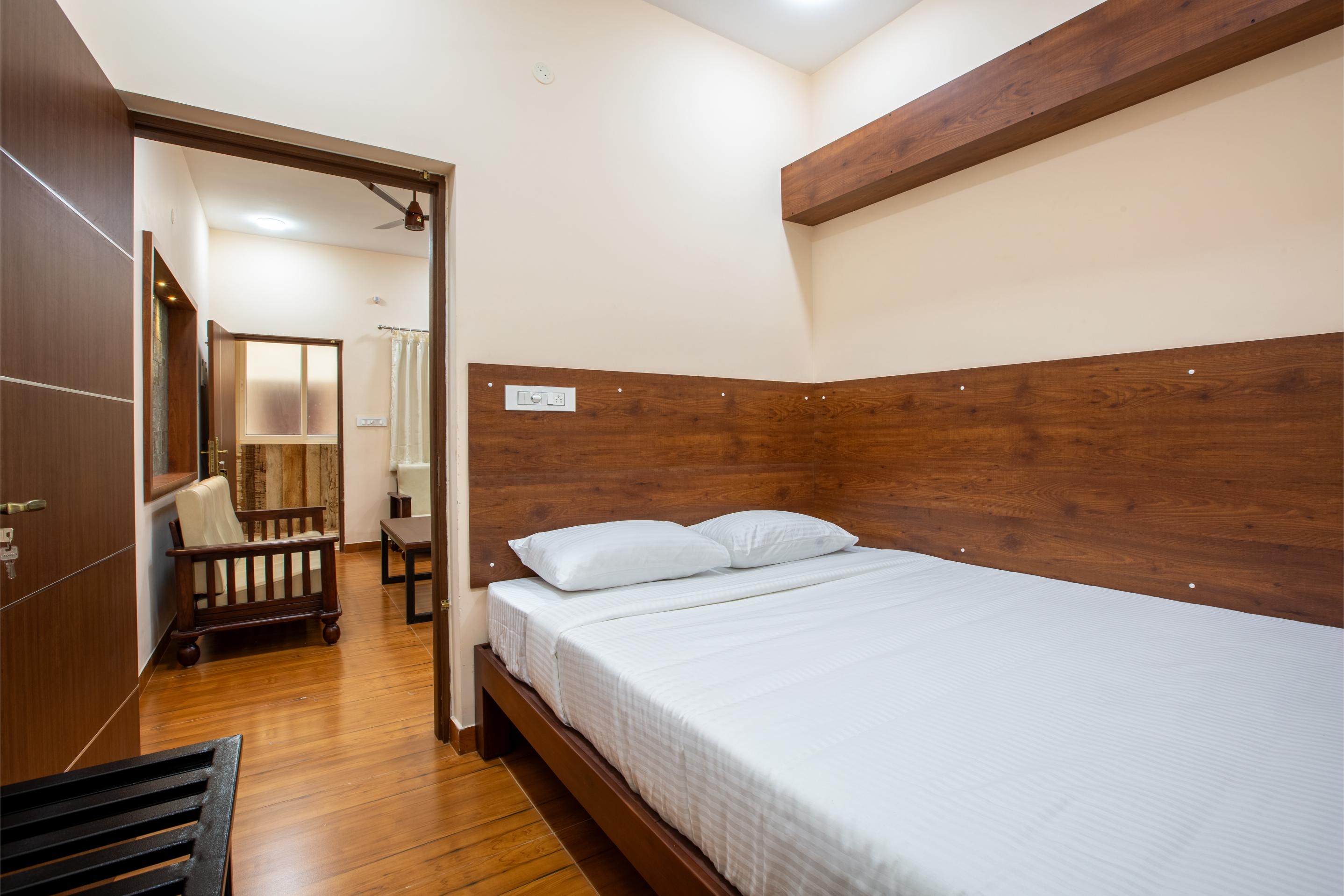
Mugundan Smart Stay : Comfortable Long-Term Living in Coimbatore with Quality Serviced Apartments
Party |
2026-03-25 07:00:18
 Social Networth OS
 Creator Commerce
 Launch Startup
 Global News
 Creator Award
 Talkfever App
عرض كل النتائج
Talkfever App
عرض كل النتائج

ترقية الحساب

For close to two years, I lived with a dull, constant ache in my lower back. It wasn't dramatic or injury-level, just this persistent background discomfort that got worse by evening, every single day. I had a desk job, sat far more than I should have, and somewhere along the way my back simply started protesting and never really stopped.
It didn't happen overnight. A twinge here, some stiffness there, easy enough to brush off individually. But over months it became a fixed part of my daily routine, something I planned around instead of something I actively tried to fix. By the time I admitted it was a real problem, it had already been going on far longer than it should have.
I did what most people do, reached for the obvious fixes before considering anything more structured.
A better chair, a standing desk for a while, endless stretching videos, a foam roller that mostly gathered dust in the corner of my room. Some of it helped marginally for a week or two before the pain settled right back into its usual pattern. A regular doctor's visit added little beyond generic posture advice and painkillers for bad days, nothing that addressed why the pain kept returning in the first place.
A friend who works in fitness eventually told me plainly to stop guessing and see a physiotherapist who could actually look at my movement patterns, rather than continuing to apply generic stretches I'd found online. It took me longer than I'd like to admit to actually take that advice seriously.
The first session was far more thorough than I expected. It wasn't a quick "does this hurt" check, it was a full assessment of my posture, my movement, and which muscles were overcompensating for others.
It turned out a significant part of the problem wasn't really my back at all. Weak hip and core muscles had been quietly forcing my lower back to do work it was never built to handle. Nobody had explained this to me clearly before, and it reframed the entire two years of pain in a way that finally made sense.
I was given a specific set of exercises targeted at those weak points, not generic back stretches pulled from a general list. Early sessions also included manual therapy to loosen things up enough for the exercises to actually start doing their job properly.
Progress wasn't immediate, and I want to be honest about that. The first couple of weeks felt largely unchanged.
By around week four, the evening ache had noticeably eased. By two months, it had gone from a daily occurrence to something rare. Today, it's essentially gone unless I have an unusually sedentary week, and even then it clears up quickly instead of lingering for days the way it used to.
The biggest realization wasn't about any single exercise or stretch. It was understanding that the pain was never really about my back in isolation, it was about everything around it not functioning the way it should. In hindsight, I wish I'd sought proper physiotherapy assessment far earlier instead of cycling through disconnected fixes on my own for two years.
The consultation that finally addressed the actual cause of my pain was through ICBR Wellness. Their physiotherapy consultation identified the underlying muscular imbalance driving my back pain, rather than just treating the surface symptom, and that shift in approach is what finally made lasting recovery possible.