English
 Arabic
 French
 Spanish
 Portuguese
 Deutsch
 Turkish
 Dutch
Dutch
 Italiano
 Russian
 Romaian
 Portuguese (Brazil)
 Greek
Greek
Current Sensor Market Size, Share and Forecast to US$ 6.26 Billion by 2033
Music |
2026-06-16 09:03:25
 Creator Commerce
 Creator Award
 Equity & Investors
 Global News
 Vdo Junction
 Talkfever App
عرض كل النتائج
Talkfever App
عرض كل النتائج

ترقية الحساب
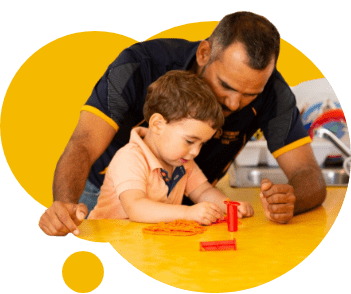
Every child deserves to grow up in a safe, loving, and supportive environment where they feel valued and cared for. Unfortunately, not every child has the opportunity to experience a stable home due to family challenges, neglect, abuse, illness, or other difficult circumstances. This is where foster carers play a vital role. By opening your home and heart, you can provide children with the care, stability, and encouragement they need during a challenging period in their lives.
If you've ever asked yourself, "Can I be a foster carer?" the answer may surprise you. Many people believe they need to fit a particular profile to foster a child, but foster care organizations welcome individuals from a wide range of backgrounds. What matters most is your ability to provide a safe, nurturing, and supportive environment where children can thrive.
This guide explains who can become a foster carer, the qualities that make an excellent foster parent, the application process, and how fostering can positively impact both children and carers.
What Is a Foster Carer?
A foster carer is someone who provides temporary care for children and young people who are unable to live safely with their birth families. Foster care offers children a secure and caring home while longer-term decisions are made about their future.
Foster carers become trusted adults who help children regain confidence, build positive relationships, continue their education, and develop essential life skills. Depending on the child's circumstances, fostering may last for a few days, several months, or even several years.
Why Foster Carers Are So Important
Children entering foster care often experience uncertainty, fear, and emotional stress. A caring foster home provides much more than accommodation—it offers comfort, security, routine, and hope.
Foster carers help children by:
The influence of a caring foster family can have a lasting positive impact on a child's future.
Can I Be a Foster Carer?
Many people assume they won't qualify because of their age, relationship status, or occupation. In reality, foster care providers value diversity because children have different needs and benefit from different family environments.
You may be able to become a foster carer if you are:
Every application is assessed individually, focusing on your ability to meet a child's needs rather than meeting a perfect checklist.
You Don't Need to Be Married
One of the biggest misconceptions about fostering is that only married couples can apply.
In reality, foster carers can be:
What matters most is your ability to provide consistency, care, and emotional support.
Can I Foster If I Have Children?
Yes. Many foster carers have their own children.
Having children may even provide valuable parenting experience. During the assessment process, agencies consider how fostering will affect everyone in the household to ensure a positive experience for both foster and biological children.
Can I Foster If I Work Full-Time?
Employment does not automatically prevent you from fostering.
Many foster carers successfully balance work with fostering. The suitability depends on factors such as:
Different fostering arrangements suit different lifestyles.
Qualities of a Great Foster Carer
Foster carers come from all walks of life, but many share similar personal qualities.
Some of the most valuable qualities include:
Compassion
Children entering care often need patience, kindness, and understanding.
Patience
Children may need time to adjust to a new environment. Progress often happens gradually.
Flexibility
Every child has unique experiences and needs. Being adaptable helps create a supportive environment.
Good Communication
Foster carers regularly communicate with teachers, healthcare professionals, social workers, and birth families where appropriate.
Emotional Resilience
Supporting children through difficult experiences requires emotional strength and a positive outlook.
Commitment
Children benefit from carers who provide consistent care, encouragement, and stability.
The Foster Care Assessment Process
Although every fostering organization has its own procedures, the process usually includes several important steps.
Initial Enquiry
You contact a foster care provider to learn more about fostering and discuss your circumstances.
Information Session
Many organizations invite prospective carers to attend an information session to better understand the role.
Application
You complete an application and provide details about yourself, your household, and your experience.
Home Assessment
A qualified assessor visits your home to ensure it is safe and suitable for children.
Background Checks
These typically include identity verification, reference checks, police checks, and working-with-children checks where required.
Training
Applicants complete preparation training to develop practical skills and understand children's emotional needs.
Approval
Following successful assessment, applicants may be approved as foster carers and matched with children based on suitability.
Types of Foster Care
There are several ways to support children through fostering.
Emergency Foster Care
Provides immediate care for children entering the care system unexpectedly.
Short-Term Foster Care
Supports children while longer-term plans are being developed.
Long-Term Foster Care
Provides ongoing stability for children who cannot return home.
Respite Foster Care
Offers temporary care to give full-time foster carers a short break while ensuring children continue to receive quality care.
Specialist Foster Care
Supports children with complex medical, emotional, or behavioural needs.
Support Available for Foster Carers
Becoming a foster carer does not mean caring for children alone.
Most fostering agencies provide:
This ongoing support helps foster carers feel confident throughout their fostering journey.
Common Concerns About Becoming a Foster Carer
"I'm Not Perfect."
No foster carer is perfect. Children need caring, dependable adults who are willing to learn and provide consistent support.
"I Don't Have Professional Experience."
Professional childcare experience is helpful but not essential. Many successful foster carers come from completely different careers.
"Will I Become Too Attached?"
Building meaningful relationships is an important part of fostering. While saying goodbye can be emotional, many carers find comfort in knowing they made a positive difference during an important stage of a child's life.
"Will I Receive Training?"
Yes. Most agencies provide comprehensive training before approval and continue offering professional development opportunities throughout your fostering journey.
The Rewards of Foster Care
Although fostering comes with challenges, many carers describe it as one of the most rewarding experiences of their lives.
Some of the greatest rewards include:
Even small moments—such as seeing a child smile, succeed at school, or feel secure—can make fostering incredibly fulfilling.
Is Foster Care Right for You?
If you enjoy helping others, have patience, empathy, and a genuine desire to support children, fostering could be an opportunity to make a lasting difference.
Remember, there is no "perfect" foster carer. Children benefit from caring adults who are committed to providing stability, encouragement, and unconditional support during difficult times. Every child's needs are unique, and fostering organizations value carers from diverse backgrounds who can offer different strengths and life experiences.
Final Thoughts
Choosing to become a foster carer is more than opening your home—it is opening your life to a child who needs safety, stability, and hope. Foster carers provide guidance, encouragement, and compassion during some of the most challenging moments in a child's life, helping them build confidence and look toward a brighter future.
If you've been wondering whether you could become a foster carer, the first step is simply reaching out to a local fostering organization to learn more. You may discover that your home, your care, and your commitment could make a lasting difference in a child's life. Every child deserves the opportunity to feel safe, supported, and loved—and you could be the person who helps make that possible.