English
 Arabic
 French
 Spanish
 Portuguese
 Deutsch
 Turkish
 Dutch
Dutch
 Italiano
 Russian
 Romaian
 Portuguese (Brazil)
 Greek
Greek
A Dream Wedding Amidst Nature’s Beauty in Gibraltar
Other |
2025-03-26 07:40:30
 Creator Commerce
 Creator Award
 Equity & Investors
 Global News
 Vdo Junction
 Talkfever App
عرض كل النتائج
Talkfever App
عرض كل النتائج

ترقية الحساب
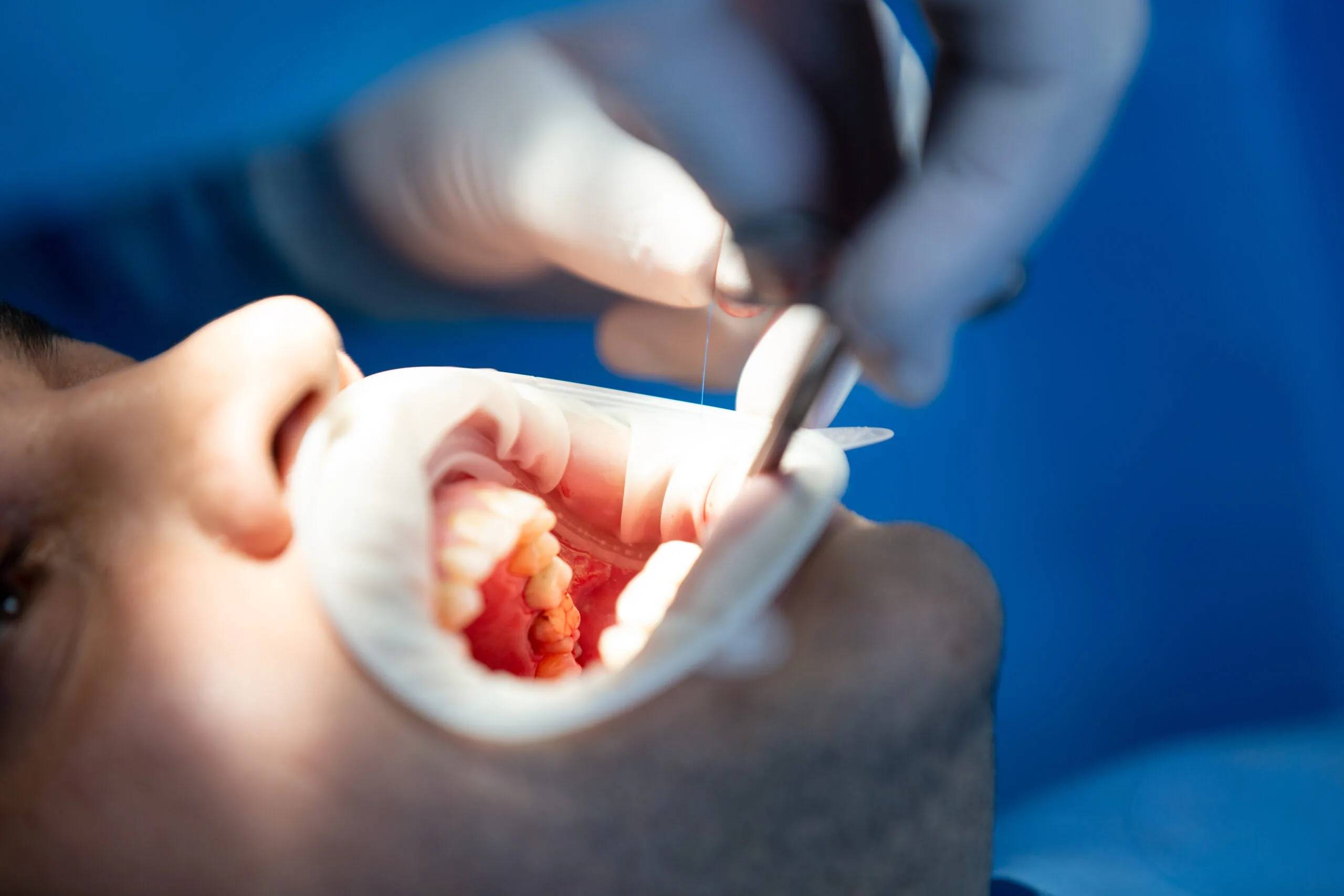
Dental pain and injuries can occur without warning, making it difficult to decide whether treatment can wait. Some problems require prompt professional attention to relieve discomfort, control infection, or protect a damaged tooth. Recognising the warning signs can help patients take appropriate action and avoid unnecessary delays.
An emergency dentist Dubai can assess severe toothache, dental trauma, swelling, broken restorations, and other urgent concerns. Persistent or intense tooth pain may indicate deep decay, inflammation inside the tooth, an infection, or damage caused by grinding or injury. Pain that interrupts sleep or becomes worse should not be ignored.
Facial or gum swelling can also require urgent assessment, particularly when accompanied by fever, an unpleasant taste, difficulty opening the mouth, or general illness. A dental abscess will not normally disappear without appropriate care. If swelling affects breathing or swallowing, the patient should seek immediate emergency medical assistance.
A same day dentist Dubai may examine a cracked tooth, replace a lost filling temporarily, manage infection, or begin treatment to reduce pain. The exact procedure depends on the diagnosis. Emergency care may stabilise the problem first, followed by another appointment for permanent treatment.
Dental injuries should be handled carefully. If a permanent tooth is knocked out, hold it by the crown rather than the root. Avoid scrubbing it, and seek professional assistance immediately. A chipped tooth should also be assessed because fractures can expose sensitive inner structures or weaken the remaining tooth.
Patients who cannot obtain a scheduled appointment may look for a walk-in dentist Dubai. Calling the clinic before travelling is still advisable because availability, operating hours, and the urgency of the condition can vary.
Until the appointment, patients can rinse gently with lukewarm water and avoid chewing on the affected side. They should not place aspirin directly against the tooth or gum, as it may irritate the tissue.
Prompt diagnosis is the safest way to understand the cause of a dental emergency. Professional examination allows the dentist to relieve symptoms where possible, explain available treatments, and create a plan for restoring oral health.