English
 Arabic
 French
 Spanish
 Portuguese
 Deutsch
 Turkish
 Dutch
Dutch
 Italiano
 Russian
 Romaian
 Portuguese (Brazil)
 Greek
Greek
 Creator, Content & Commerce (3C)
 IMS for Investors
 Global News
 Vdo Junction
 Talkfever App
Understanding the Cyclohexanol Price Trend: Key Insights and Market Dynamics
Other |
2025-01-28 10:25:55
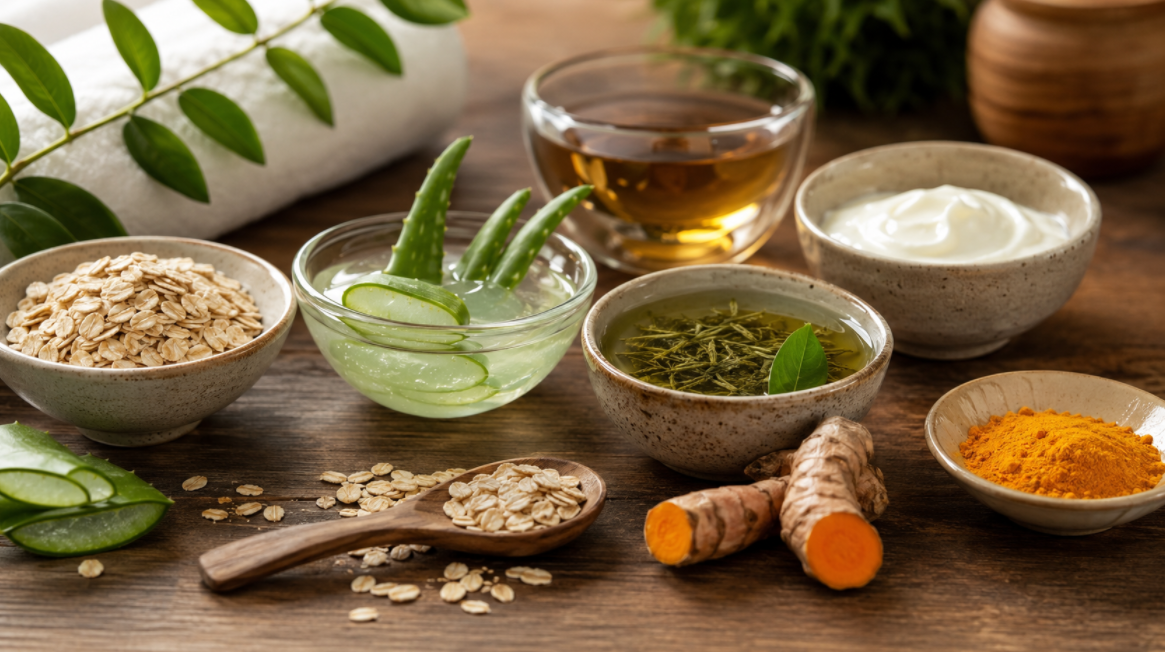
Uneven skin tone, dark spots, and patches of discoloration are among the most common skincare concerns—and hyperpigmentation is often at the heart of them. It can appear after acne breakouts, prolonged sun exposure, hormonal changes, or skin irritation, leaving the complexion looking less even and luminous.
While professional treatments and dermatologist-recommended skincare can be highly effective, a thoughtful at-home routine can also support healthier-looking skin. Some natural ingredients contain antioxidant, soothing, or brightening properties that may help improve the appearance of uneven tone over time.
The key is consistency and patience. Natural remedies are not instant solutions, and aggressive DIY treatments can sometimes irritate the skin and make pigmentation more noticeable. For best results, always pair your skincare routine with daily broad-spectrum sunscreen.
Here are four gentle DIY remedies you can consider incorporating into your routine.
Aloe vera is a classic natural skincare ingredient known for its cooling and moisturizing qualities. Fresh aloe gel contains compounds that may support the skin's natural recovery process, making it particularly appealing for skin that looks dull, stressed, or irritated.
Because inflammation can contribute to lingering discoloration, keeping the skin calm and well hydrated is an important part of managing the appearance of hyperpigmentation.
For the best experience, choose aloe vera gel with minimal added fragrance, alcohol, or unnecessary ingredients. If you're using fresh aloe directly from the plant, make sure the yellow latex layer beneath the leaf skin is removed, as it can irritate some people's skin.
Best for: Sensitive, dry, or irritated-looking skin that needs gentle hydration.
Green tea is naturally rich in antioxidants, particularly polyphenols, which have made it a popular ingredient in modern skincare. Antioxidants help protect the skin from environmental stressors and may support a brighter, healthier-looking complexion.
A simple green tea compress can be an easy addition to a gentle skincare routine, especially when your goal is to soothe the skin while supporting an even appearance.
Use freshly prepared tea and avoid adding sugar, lemon, or other ingredients. Store-bought green tea bags are convenient, but choose a simple, unsweetened variety.
Best for: Those looking for a simple, refreshing antioxidant-focused addition to their skincare routine.
A homemade oatmeal and yogurt mask can provide a comforting skincare experience while helping remove surface buildup. Finely ground oats are known for their soothing properties, while yogurt naturally contains lactic acid, an alpha hydroxy acid (AHA) that can gently exfoliate the skin.
However, because even mild acids can cause irritation in some people, this remedy should be used sparingly—especially if you have sensitive or reactive skin.
Avoid this mask if your skin is irritated, sunburned, or experiencing an active flare-up. The goal is gentle care, not aggressive exfoliation.
Best for: Normal or combination skin seeking a mild, occasional exfoliating treatment.
Turmeric has a long history of use in traditional beauty rituals and is valued for its antioxidant and anti-inflammatory properties. Its active compound, curcumin, has also attracted interest in skincare research.
A carefully prepared turmeric mask may help create a temporary fresh-looking glow, although it should not be viewed as a replacement for clinically proven treatments for persistent pigmentation.
Turmeric can temporarily stain the skin, particularly when used in larger quantities. Always patch-test first, and avoid applying the mixture to broken or irritated skin.
Best for: Occasional self-care rituals when you want a simple, antioxidant-focused facial mask.
No DIY remedy can deliver lasting results if your skin is repeatedly exposed to ultraviolet (UV) radiation without protection. Sun exposure can darken existing pigmentation and encourage new discoloration, making it harder to achieve a more even-looking complexion.
Make broad-spectrum SPF 30 or higher a daily essential. Apply it every morning, even on days when you spend most of your time indoors, and reapply when you're outdoors for extended periods.
If pigmentation is your primary concern, a sunscreen that contains iron oxides may also be worth considering, particularly for people prone to melasma or post-inflammatory hyperpigmentation, because visible light can contribute to pigmentation in some individuals.
When it comes to hyperpigmentation, more is not necessarily better. Avoid harsh DIY ingredients such as undiluted lemon juice, baking soda, hydrogen peroxide, or abrasive scrubs. These can damage the skin barrier, trigger irritation, and potentially worsen discoloration.
Introduce one new remedy at a time and perform a patch test before applying it more broadly. If you experience burning, itching, swelling, or persistent redness, discontinue use.
Remember that hyperpigmentation can have different underlying causes. If dark patches are persistent, rapidly changing, widespread, or resistant to your skincare routine, consider consulting a dermatologist. Professional guidance can help identify the cause and determine whether ingredients such as azelaic acid, retinoids, hydroquinone, or other targeted treatments may be appropriate.
Reducing the appearance of facial hyperpigmentation is often a journey rather than an overnight transformation. Gentle ingredients such as aloe vera, green tea, oatmeal, yogurt, and turmeric can complement a well-rounded skincare routine, but consistency and skin protection remain the foundation of visible improvement.
The most effective approach is to keep your routine simple: cleanse gently, moisturize regularly, protect your skin from the sun, and avoid unnecessary irritation. With patience and the right habits, you can support a complexion that looks healthier, calmer, and more even over time.
DIY remedies are unlikely to completely remove established hyperpigmentation. They may help support a brighter, more even-looking complexion, but the results depend on the underlying cause and the individual. Persistent pigmentation may require dermatologist-guided treatment.
There is no universal timeline. Mild discoloration may gradually improve over several weeks or months, while deeper or hormonally driven pigmentation can take considerably longer. Daily sunscreen and a consistent skincare routine are essential for supporting progress.
Lemon juice is commonly recommended online, but it is not a good choice for DIY facial skincare. Its acidity can irritate the skin, and citrus compounds can increase sensitivity to sunlight in some circumstances. Irritation may ultimately make dark spots more noticeable.
Start conservatively. Hydrating remedies such as aloe vera may be used more frequently if your skin tolerates them, while exfoliating masks containing yogurt should generally be limited to occasional use. Always adjust your routine according to your skin's response.
Absolutely. Daily broad-spectrum sunscreen is one of the most important steps in managing the appearance of hyperpigmentation. Without adequate sun protection, existing dark spots may become darker and new pigmentation may develop.
Consider professional advice if pigmentation is persistent, worsening, suddenly appears without an obvious cause, or does not improve with a consistent skincare routine. A dermatologist can identify the type of pigmentation and recommend treatments suited to your skin.