English
 Arabic
 French
 Spanish
 Portuguese
 Deutsch
 Turkish
 Dutch
Dutch
 Italiano
 Russian
 Romaian
 Portuguese (Brazil)
 Greek
Greek
 Creator, Content & Commerce (3C)
 IMS for Investors
 Global News
 Vdo Junction
 Talkfever App
Automation and Digitalization Revolutionize the Bioreactors Market
Uncategorized |
2026-06-12 07:34:06
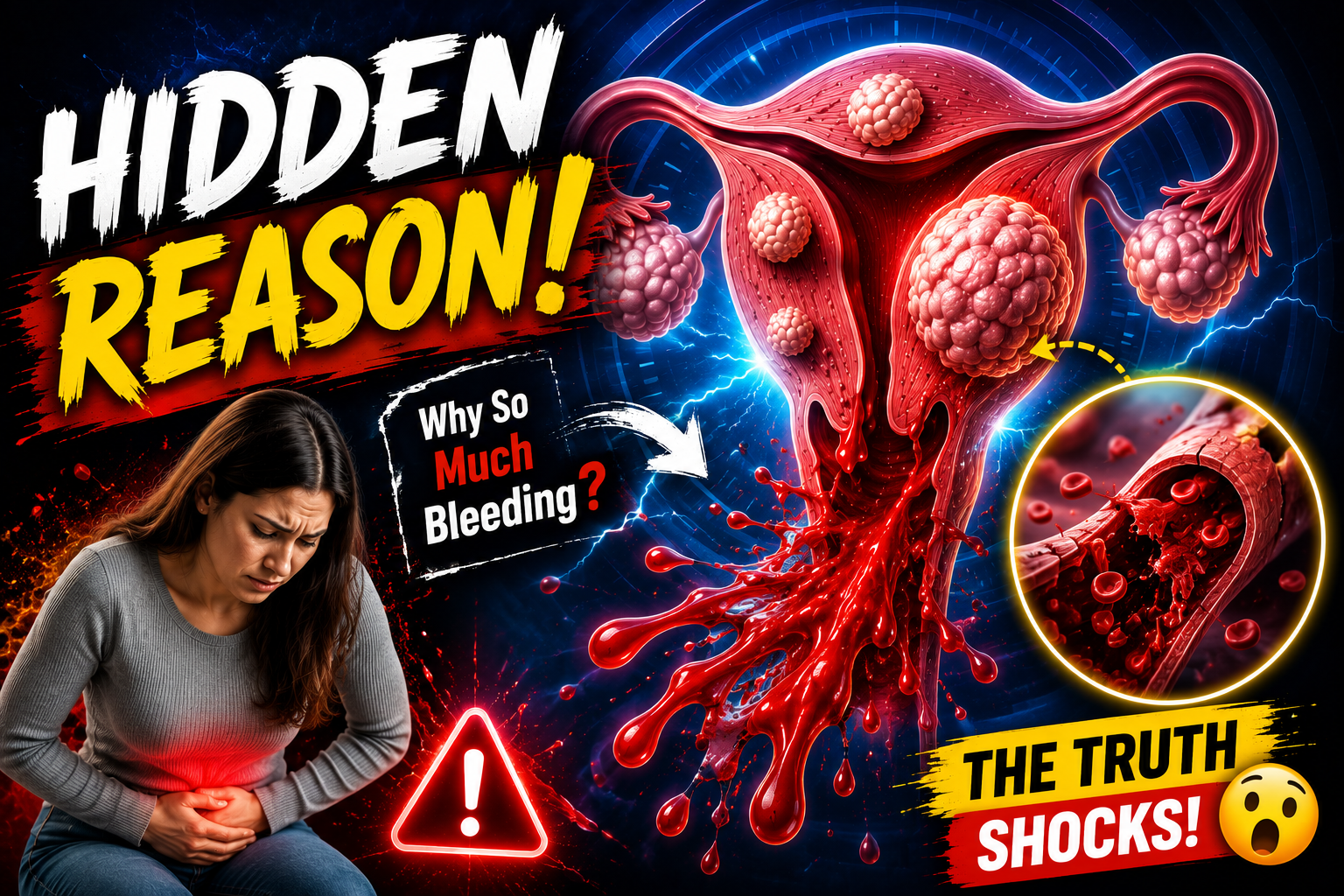
Heavy menstrual bleeding is one of the most common symptoms of uterine fibroids. Fibroids can change the normal structure of the uterus, increase its blood supply, and interfere with the uterus's ability to contract effectively during menstruation. These changes may lead to longer, heavier, or more frequent periods. Although not every woman with fibroids experiences excessive bleeding, it is one of the primary reasons women seek medical care.
Many women assume heavy periods are simply part of aging or hormonal changes. However, understanding uterine fibroid symptoms can help explain why fibroids cause abnormal bleeding and when medical evaluation is recommended.
The uterus normally contracts during menstruation to help reduce bleeding.
Fibroids can interfere with this process by:
Distorting the shape of the uterus
Increasing the surface area of the uterine lining
Preventing normal uterine contractions
Increasing blood flow to the uterus
These changes may result in heavier menstrual bleeding than usual.
Yes.
The location of a fibroid can significantly influence bleeding patterns.
For example:
Submucosal fibroids, which grow beneath the uterine lining, are most commonly associated with heavy menstrual bleeding.
Intramural fibroids within the uterine wall may also increase bleeding if they distort the uterine cavity.
Subserosal fibroids, located on the outer surface of the uterus, are less likely to cause heavy periods unless they become very large.
According to the American College of Obstetricians and Gynecologists (ACOG), the size and location of fibroids often determine the type and severity of symptoms.
Fibroids may make it more difficult for the uterus to stop bleeding efficiently.
This can lead to:
Menstrual periods lasting longer than usual
Bleeding between periods in some women
Passing larger blood clots
Increased menstrual flow throughout the cycle
These symptoms can gradually worsen if the fibroids continue to grow.
Yes.
Persistent heavy menstrual bleeding may increase the risk of:
Iron deficiency
Anemia
Fatigue
Weakness
Shortness of breath during physical activity
Women who experience ongoing heavy bleeding should seek medical evaluation to identify the underlying cause and receive appropriate treatment.
Doctors usually begin with:
A detailed medical history
A pelvic examination
Imaging tests commonly include:
Pelvic ultrasound
MRI when additional detail is needed
These investigations help determine:
The number of fibroids
Their size
Their location
Whether they are likely contributing to abnormal bleeding
The National Institute for Health and Care Excellence (NICE) recommends imaging to accurately evaluate fibroids and guide treatment planning.
No.
Treatment depends on:
The severity of bleeding
The impact on daily life
Fibroid size and location
Age
Future pregnancy plans
Some women may only require monitoring, while others benefit from active treatment if symptoms become significant.
Treatment options vary depending on the woman's condition.
These may include:
Medication for symptom management
Uterine Artery Embolization (UAE)
Myomectomy
Hysterectomy in selected cases
Uterine Artery Embolization (UAE) is a minimally invasive procedure performed by an interventional radiologist. A thin catheter is inserted into the uterine arteries, and tiny embolic particles are delivered to block the blood supply feeding the fibroids. As the fibroids shrink over time, menstrual bleeding often becomes lighter and other symptoms improve while preserving the uterus.
Women should consult a doctor if they experience:
Very heavy menstrual flow
Periods lasting longer than usual
Frequent passage of large blood clots
Fatigue associated with menstrual bleeding
Bleeding that interferes with work or daily activities
Bleeding after menopause
Prompt evaluation helps determine whether fibroids or another gynecological condition is responsible.
Uterine fibroids can cause heavy menstrual bleeding by changing the structure of the uterus, increasing its blood supply, and preventing normal uterine contractions during menstruation. The severity of bleeding often depends on the size and location of the fibroids, particularly when they affect the uterine lining. Early diagnosis helps identify the cause of abnormal bleeding and allows doctors to recommend the most appropriate treatment.
For women with significant symptoms, modern minimally invasive treatments provide effective alternatives to surgery. Uterine Artery Embolization reduces the blood supply to fibroids, allowing them to shrink while improving heavy menstrual bleeding and preserving the uterus. Women seeking expert care can consult an interventional radiologist Jaipur to discuss the most suitable treatment based on their symptoms and imaging findings.
Fibroids can distort the uterus, increase its blood supply, and interfere with normal uterine contractions, leading to heavier menstrual bleeding.
Submucosal fibroids are most commonly associated with heavy menstrual bleeding because they grow just beneath the uterine lining.
Yes. Persistent heavy menstrual bleeding can lead to iron deficiency anemia, causing fatigue, weakness, and reduced energy levels.
Doctors usually perform a pelvic examination and imaging tests such as a pelvic ultrasound or MRI to determine the size, number, and location of the fibroids.
Yes. Uterine Artery Embolization blocks the blood supply to fibroids, causing them to shrink and often reducing heavy menstrual bleeding in suitable patients.