English
 Arabic
 French
 Spanish
 Portuguese
 Deutsch
 Turkish
 Dutch
Dutch
 Italiano
 Russian
 Romaian
 Portuguese (Brazil)
 Greek
Greek
 Creator, Content & Commerce (3C)
 IMS for Investors
 Global News
 Vdo Junction
 Talkfever App
Future Opportunities in the US Ophthalmology Diagnostics and Surgical Devices Market Landscape
Fitness |
2026-06-11 09:03:47
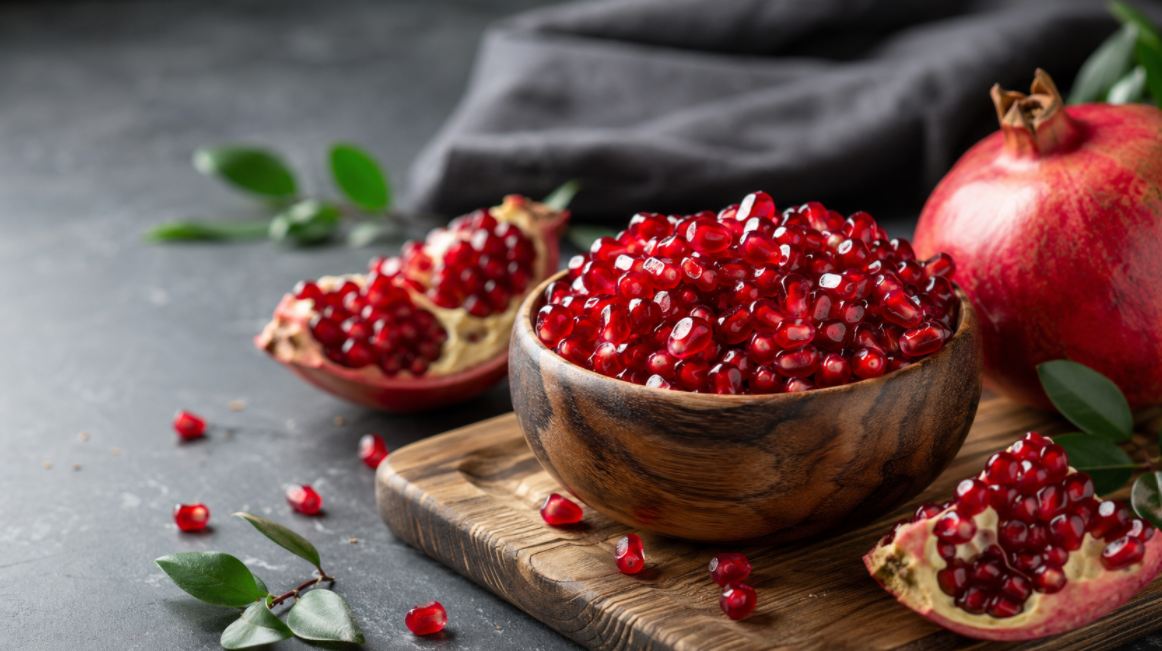
Few fruits bring together beauty, nutrition, and vibrant flavor quite like the pomegranate. With its jewel-like arils, refreshing sweet-tart taste, and naturally rich supply of plant compounds, pomegranate has earned its place among the most celebrated fruits in modern wellness.
But enjoying pomegranate doesn't have to mean eating a bowl of arils with a spoon every morning. From elegant breakfast bowls to refreshing drinks and savory salads, there are countless ways to make this ruby-red fruit part of your everyday routine.
Pomegranate is naturally rich in fiber, vitamin C, vitamin K, folate, and antioxidant compounds called polyphenols. Fiber supports healthy digestion, while the fruit's overall nutrient profile can complement a balanced diet that supports energy and general well-being. Its vibrant color comes partly from polyphenols, which help protect plants from environmental stress and are also being studied for their potential role in human health.
If you're looking for delicious ways to enjoy more of this versatile fruit, here are four simple ideas to try.
A nourishing breakfast sets the tone for the day, and pomegranate arils make an effortless upgrade to a wholesome morning bowl.
Start with a base of plain Greek yogurt, unsweetened yogurt, or a plant-based alternative. Add a generous handful of fresh pomegranate arils, then layer in berries, sliced banana, chia seeds, pumpkin seeds, or a small handful of nuts. Finish with a light drizzle of honey if you prefer a touch of sweetness.
The combination is satisfying because it brings together protein, fiber, healthy fats, and naturally occurring carbohydrates. Pomegranate adds a refreshing burst of flavor and texture, transforming an ordinary breakfast into something that feels both luxurious and nourishing.
For those focused on digestive wellness, the fiber found in pomegranate arils can be a useful addition to an overall fiber-rich diet. Pairing the fruit with yogurt or another protein source can also make breakfast more filling, helping you build a balanced meal rather than relying on sugary, refined breakfast foods.
Premium tip: Keep a container of pomegranate arils ready in the refrigerator. When healthy choices are convenient, they're much easier to make consistently.
When you want something quick, refreshing, and easy to take on the go, turn pomegranate into a vibrant smoothie.
Blend pomegranate arils or unsweetened pomegranate juice with berries, plain yogurt, a small banana, and a handful of spinach. You can also add chia seeds or ground flaxseed for additional fiber and texture.
The result is a naturally colorful drink with a pleasantly tangy flavor. Berries contribute additional plant compounds, while yogurt can provide protein and, depending on the product, beneficial live cultures.
For a more balanced smoothie, avoid turning it into a sugar-heavy drink by adding large amounts of fruit juice, sweetened yogurt, or syrups. Whole pomegranate arils are especially appealing because they retain their natural fiber, whereas juice generally contains less fiber.
For daily energy: Think of the smoothie as part of a balanced meal, not a magic energy booster. Pairing carbohydrates from fruit with protein and healthy fats can help create a more satisfying option for busy mornings or afternoon hunger.
Pomegranate isn't only for breakfast. Its sweet-tart flavor pairs beautifully with savory ingredients, making it a sophisticated addition to salads.
Try combining fresh greens with pomegranate arils, cucumber, avocado, roasted vegetables, walnuts, and crumbled feta or goat cheese. Add a simple dressing made with extra-virgin olive oil, lemon juice, and a touch of honey.
The contrast of textures is what makes this combination so appealing: creamy avocado, crunchy nuts, crisp greens, and juicy pomegranate arils come together in every bite.
This approach also makes it easier to incorporate a wider variety of nutrient-dense foods into your diet. Leafy greens contribute vitamins and minerals, nuts provide healthy fats, and vegetables add fiber and volume. Pomegranate becomes the bright finishing touch that brings the entire dish together.
Premium tip: Add the arils just before serving. Their jewel-like appearance instantly elevates even a simple salad, making it ideal for a dinner party, festive meal, or elegant weekday lunch.
Sometimes the simplest approach is the most sustainable.
Instead of reaching for highly processed snacks when hunger strikes, keep pomegranate arils ready to combine with other nourishing ingredients. Mix them with a handful of almonds or walnuts, sprinkle them over cottage cheese, or spoon them onto whole-grain toast with a little nut butter.
The key is balance. Pomegranate can provide natural carbohydrates and fiber, while nuts, seeds, or dairy-based foods can contribute protein and fat. Together, these combinations may be more satisfying than eating fruit alone.
You can also use pomegranate arils as a topping for oatmeal, overnight oats, chia pudding, or whole-grain porridge. This is an especially easy way to make the fruit part of your routine without needing an elaborate recipe.
If you're interested in digestion, remember that increasing fiber gradually and drinking enough fluids throughout the day can help your digestive system adapt. Everyone's tolerance is different, so pay attention to how your body responds.
Pomegranate is more than a beautiful seasonal fruit. Its vibrant arils can bring color, texture, flavor, and valuable nutrients to everything from breakfast bowls and smoothies to salads and snacks.
The smartest approach isn't to view any single food as a miracle solution for skin, digestion, or energy. Instead, think of pomegranate as one small but delicious part of a broader lifestyle built around nutritious foods, adequate hydration, regular movement, quality sleep, and balanced meals.
Whether you enjoy it in a creamy breakfast bowl, blend it into a smoothie, scatter it over a salad, or pair it with nuts for an afternoon snack, there are plenty of ways to make pomegranate a regular part of your routine.
Sometimes, better wellness begins with something wonderfully simple: choosing foods that are both nourishing and genuinely enjoyable.
Pomegranate provides vitamin C and polyphenols, nutrients and plant compounds that contribute to overall nutritional health. Vitamin C is also involved in normal collagen formation. However, no single food can guarantee clearer or younger-looking skin. Skin health is influenced by genetics, sun exposure, sleep, hydration, skincare, and overall diet.
Yes, whole pomegranate arils contain dietary fiber, which contributes to a healthy digestive system. The effect can vary from person to person, and pomegranate should be considered part of an overall fiber-rich diet that includes vegetables, whole grains, legumes, nuts, and seeds.
Whole arils generally provide more fiber than juice. If you enjoy pomegranate juice, choose an unsweetened option and consider portion size. Eating the whole fruit is often the more filling choice because of its fiber and texture.
There is no universally proven "best" time. You can enjoy pomegranate at breakfast, as part of lunch, or as a snack. The best time is the one that fits naturally into your routine and helps you maintain a balanced diet consistently.
There is no single ideal amount for everyone. A moderate serving of arils can easily be incorporated into a balanced meal or snack. Your overall dietary pattern matters much more than focusing on a specific "perfect" portion.
For most people, pomegranate can be enjoyed regularly as part of a varied, balanced diet. If you have a medical condition, food allergy, or take medications that may interact with certain foods or juices, speak with a healthcare professional for personalized advice.