English
 Arabic
 French
 Spanish
 Portuguese
 Deutsch
 Turkish
 Dutch
Dutch
 Italiano
 Russian
 Romaian
 Portuguese (Brazil)
 Greek
Greek
Global Fire Fighting Vehicle market was valued at USD 4,799 million in 2024 and is projected to reach USD 6,366 million by 2032
Other |
2026-08-26 10:21:29
 Social Networth OS
 Creator Commerce
 Launch Startup
 Global News
 Creator Award
 Talkfever App
δες τα όλα
Talkfever App
δες τα όλα

Upgrade to Pro
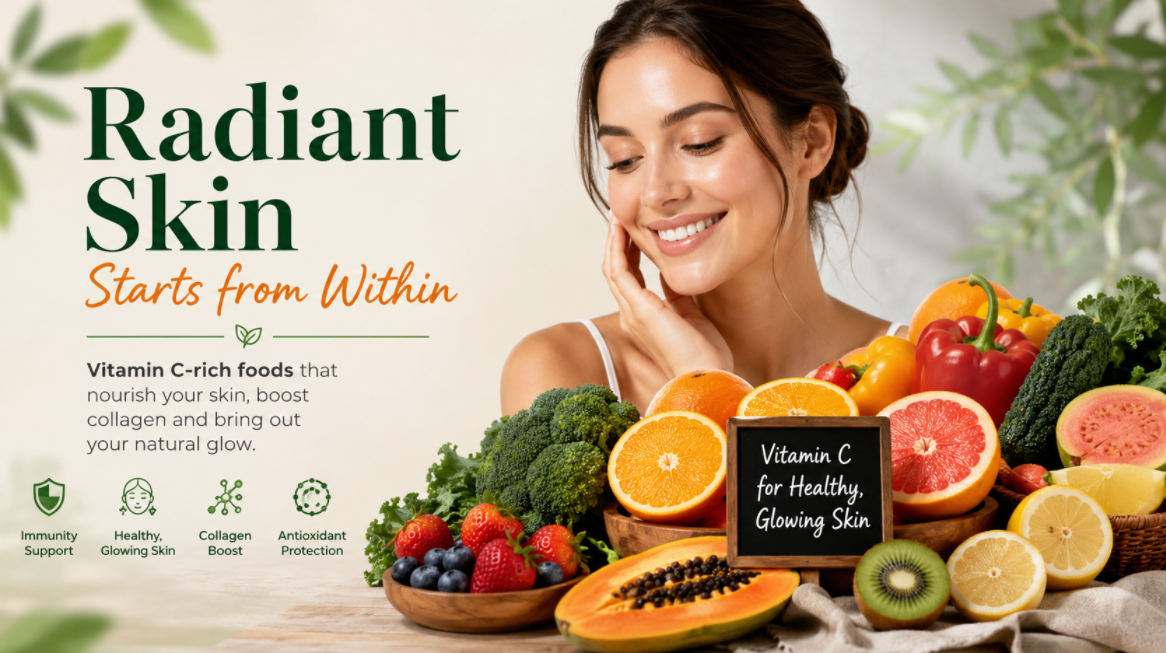
In the pursuit of radiant skin, the beauty world often places the spotlight on serums, creams, masks, and treatments. Yet, some of the most meaningful support for healthy-looking skin begins long before a skincare product reaches your bathroom shelf. It begins with what you eat.
Nutrition and skin health are closely connected, and a balanced diet rich in colourful fruits and vegetables can provide essential nutrients that support the body's natural functions. Among these nutrients, vitamin C holds a particularly important place. Best known for its antioxidant properties and its role in normal collagen formation, vitamin C is an essential nutrient that can be easily incorporated into everyday meals through a wide variety of delicious foods.
The good news? You do not need an elaborate diet or expensive ingredients to make vitamin C part of your beauty-from-within routine. Nature has already provided an abundance of options—from vibrant citrus fruits and juicy berries to crisp bell peppers, tropical guava, kiwi, papaya, broccoli, and leafy greens.
Vitamin C is an essential water-soluble vitamin that plays several important roles in the body. One of its most notable functions is its contribution to normal collagen formation. Collagen is a structural protein found throughout the body and is an important component of the skin.
Vitamin C also contributes to the body's antioxidant defenses, helping protect cells from oxidative stress. This is one reason why vitamin C has become such a celebrated nutrient in both nutritional science and the beauty industry.
While nutrition alone cannot guarantee flawless or youthful-looking skin, ensuring adequate vitamin C intake is a sensible part of an overall approach to wellness. Think of it not as a miracle ingredient, but as one valuable piece of the larger picture of skin health.
Guava is one of the most impressive fruit sources of vitamin C and brings a naturally sweet, aromatic flavour to the table. Enjoy it fresh, sliced into fruit bowls, blended into smoothies, or simply eaten as a snack.
Its vibrant colour and refreshing taste make guava an effortless way to add variety to a nutrient-rich diet.
Oranges, grapefruits, lemons, and other citrus fruits have long been associated with vitamin C—and for good reason. They are convenient, refreshing, and incredibly versatile.
Enjoy an orange as a mid-morning snack, add grapefruit to breakfast, or use fresh lemon juice to brighten salads, vegetables, and homemade dressings. Citrus fruits can make healthy eating feel naturally indulgent.
Red, yellow, and green bell peppers are wonderfully versatile sources of vitamin C. Their crisp texture and vibrant colours make them ideal for salads, stir-fries, wraps, roasted vegetable dishes, and grain bowls.
For a beauty-conscious plate, bell peppers are particularly appealing because they make it easy to increase your vegetable intake without sacrificing flavour.
With its striking green centre and refreshing sweet-tart flavour, kiwi is an easy addition to a balanced breakfast or snack. Slice it over yoghurt, add it to a smoothie, or enjoy it on its own.
Its distinctive flavour also makes it a welcome alternative when you want to move beyond the usual citrus choices.
Strawberries are a delicious way to add vitamin C to your diet while bringing natural sweetness and vibrant colour to your meals. Add them to overnight oats, yoghurt bowls, smoothies, or salads.
The key is variety. Rather than relying on one particular fruit, rotate different options throughout the week to create a more diverse and enjoyable diet.
Vitamin C is not limited to the fruit bowl. Vegetables such as broccoli and Brussels sprouts can also contribute to your daily intake.
Try lightly steaming broccoli and serving it with grains and a protein source, or roast Brussels sprouts as a satisfying side dish. Including vegetables at both lunch and dinner is a simple way to make nutrient density a natural part of your routine.
Sweet, colourful, and wonderfully versatile, papaya can bring a tropical touch to your breakfast or snack routine. Enjoy it fresh, combine it with other fruits, or blend it into a smoothie.
Its naturally vibrant colour is also a reminder of a simple nutrition principle: eating a variety of colourful plant foods can help create a more diverse and nutrient-rich diet.
The easiest way to increase vitamin C intake is not to overcomplicate your meals. Instead, look for small opportunities throughout the day.
Start your morning with berries or kiwi. Add bell peppers or broccoli to lunch. Choose fresh fruit for an afternoon snack. Include a colourful vegetable side with dinner.
You can also pair foods strategically. A salad containing leafy greens, bell peppers, tomatoes, and a citrus-based dressing can turn an ordinary meal into a vibrant, nutrient-rich plate.
Fresh foods are not your only option, but preparation matters. Vitamin C can be sensitive to heat and may be reduced by prolonged cooking or certain storage conditions. When appropriate, enjoy some fruits and vegetables fresh or use shorter cooking methods such as steaming.
The goal is not perfection. It is consistency.
Although vitamin C is important, radiant skin cannot be reduced to a single nutrient. Skin health is influenced by numerous factors, including genetics, age, hormones, sleep, hydration, stress, environmental exposure, and skincare habits.
A balanced diet should therefore include more than vitamin C-rich foods. Adequate protein provides amino acids needed for normal body functions, healthy fats support overall nutrition, and a variety of whole foods supplies a broad spectrum of vitamins, minerals, and other beneficial compounds.
Lifestyle habits matter, too. Quality sleep, regular movement, adequate hydration, stress management, and consistent sun protection all contribute to a comprehensive approach to skin wellness.
The most effective beauty routine is rarely the most complicated one. It is the one you can sustain.
Radiant skin is not created by one perfect food, one expensive product, or one overnight transformation. It is supported by the everyday choices that nourish your body and protect your wellbeing.
Vitamin C-rich foods offer a delicious and accessible place to begin. From guava and citrus fruits to strawberries, kiwi, bell peppers, broccoli, and papaya, there are countless ways to bring more colour and nutritional variety to your plate.
Rather than chasing quick fixes, consider making nourishment part of your long-term beauty philosophy. Eat a diverse range of whole foods. Choose colourful fruits and vegetables. Stay hydrated. Prioritise sleep. Protect your skin from excessive sun exposure. Build a skincare routine that suits your individual needs.
Most importantly, remember that healthy-looking skin is part of a much bigger picture. When you care for your body from the inside out, you are not simply investing in your appearance—you are investing in your vitality.
Because the most beautiful kind of radiance is not about perfection. It is about feeling well, living well, and giving your body the nourishment it needs to thrive.
Vitamin C is an essential nutrient that contributes to normal collagen formation and supports the body's antioxidant defenses. Adequate intake can therefore be part of a balanced nutritional approach to supporting healthy skin.
Guava, citrus fruits, bell peppers, kiwi, strawberries, papaya, broccoli, and Brussels sprouts are among the many foods that provide vitamin C. Including a variety of fruits and vegetables is an excellent way to support overall nutritional quality.
A balanced, nutrient-rich diet may support healthy-looking skin, but no single food can guarantee an instant glow. Skin appearance is influenced by nutrition as well as genetics, sleep, hydration, stress, sun exposure, and skincare.
Yes. Citrus fruits are well-known, but foods such as guava, bell peppers, kiwi, strawberries, broccoli, and papaya can also provide vitamin C. Exploring different sources makes it easier to enjoy a varied diet.
For most people, whole foods are an excellent way to obtain vitamin C and provide additional nutrients at the same time. Supplements may be appropriate in specific circumstances, but high-dose supplementation should be discussed with a healthcare professional when relevant.
Vitamin C can be reduced by prolonged exposure to heat and water. Depending on the food, enjoying some produce fresh or using shorter cooking methods may help preserve more of the nutrient.
Add berries or kiwi to breakfast, enjoy guava or citrus fruit as a snack, include bell peppers in salads and wraps, and serve broccoli or other vegetables with main meals. Small, consistent additions are often easier to maintain than dramatic dietary changes.
No. Nutrition and skincare play different roles. A nourishing diet supports the body from within, while skincare products address the skin's surface and specific concerns. The two approaches can complement each other.
Vitamin C contributes to normal collagen formation, making it an important nutrient for the body's natural collagen-producing processes. It should, however, be viewed as part of an overall balanced diet rather than a standalone beauty solution.
Very high amounts, particularly from supplements, may cause unwanted effects such as digestive discomfort. For most people, obtaining vitamin C through a varied diet is a practical approach. Those considering high-dose supplements should seek appropriate professional guidance.
There is no universal timeline. Changes in skin appearance can depend on many individual factors. The best approach is to focus on sustainable habits rather than expecting immediate results from one particular food or nutrient.
Think beyond the idea of a single “beauty food.” A diverse, balanced diet rich in fruits, vegetables, quality protein, healthy fats, and adequate fluids provides a stronger foundation for overall wellbeing. Vitamin C-rich foods are one delicious part of that bigger picture.
Nourish your body with intention, embrace variety, and let your beauty routine begin where it matters most: from within.