English
 Arabic
 French
 Spanish
 Portuguese
 Deutsch
 Turkish
 Dutch
Dutch
 Italiano
 Russian
 Romaian
 Portuguese (Brazil)
 Greek
Greek
 Creator, Content & Commerce (3C)
 IMS for Investors
 Global News
 Vdo Junction
 Talkfever App
Software Engineering Services Drive Scalable Digital Innovation
Music |
2026-04-08 13:25:46
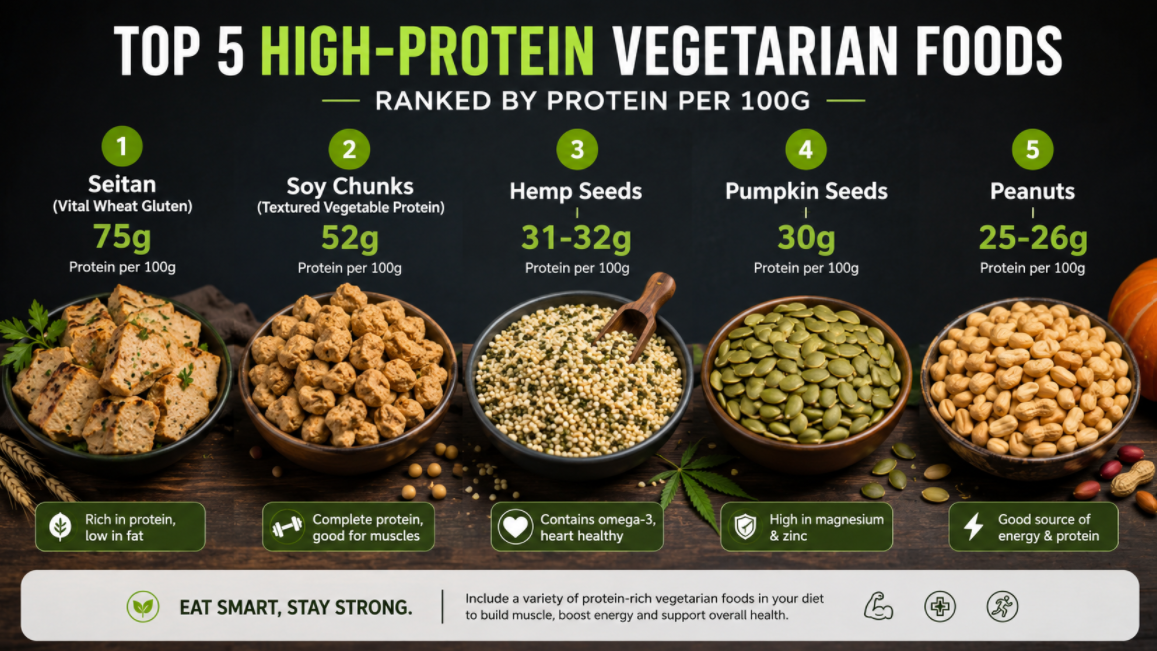
Protein is one of the most essential nutrients for building muscle, repairing tissues, supporting immunity, and maintaining overall health. While many people associate protein with meat, there are several vegetarian foods that provide exceptional amounts of protein. Whether you're a vegetarian, vegan, athlete, or simply looking to increase your daily protein intake, choosing protein-dense plant-based foods can help you meet your nutritional goals without compromising on taste or variety.
In this guide, we've ranked the top five high-protein vegetarian foods based on their protein content per 100 grams. The values below are approximate and refer to commonly available forms of each food.
Protein per 100g: Approximately 75g
Seitan tops the list as one of the richest vegetarian protein sources available. Made from wheat gluten, it has a chewy, meat-like texture that makes it an excellent substitute for chicken or beef in stir-fries, curries, sandwiches, and grilled dishes.
Unlike many plant proteins, seitan is exceptionally concentrated, containing around 75 grams of protein per 100 grams. It is also naturally low in carbohydrates and fat, making it a favorite among fitness enthusiasts and bodybuilders.
However, because seitan is made from gluten, it is unsuitable for people with celiac disease or gluten sensitivity. It is also relatively low in the amino acid lysine, so pairing it with legumes such as lentils or chickpeas creates a more balanced amino acid profile.
Best Uses:
Protein per 100g (Dry): Approximately 52g
Soy chunks, also known as textured vegetable protein (TVP), are one of the most economical and protein-rich vegetarian foods available. Made from defatted soy flour, they offer an impressive protein content while remaining low in fat.
Because soy is considered a complete protein, soy chunks provide all nine essential amino acids required by the body. This makes them particularly valuable for vegetarians and vegans seeking high-quality protein.
After soaking in hot water, soy chunks absorb flavors beautifully and can be added to curries, pulao, fried rice, wraps, salads, and pasta.
Health Benefits:
Protein per 100g: Approximately 31–32g
Hemp seeds are nutritional powerhouses packed with protein, healthy omega-3 and omega-6 fatty acids, fiber, magnesium, zinc, and iron. Unlike many seeds, hemp seeds contain all essential amino acids, making them a complete plant protein.
Their mild, nutty flavor makes them incredibly versatile. They can be sprinkled over yogurt, smoothies, salads, oatmeal, or blended into protein shakes.
Besides their protein content, hemp seeds contribute heart-healthy fats that support brain function and reduce inflammation.
Best Ways to Eat:
Protein per 100g: Approximately 30g
Pumpkin seeds, also known as pepitas, are among the healthiest snack options available. Along with their impressive protein content, they provide magnesium, zinc, antioxidants, healthy fats, and fiber.
Regular consumption of pumpkin seeds has been associated with improved heart health, stronger immunity, and better sleep quality due to their naturally occurring magnesium and tryptophan.
Although calorie-dense, moderate servings make an excellent addition to a balanced diet.
Nutritional Highlights:
Protein per 100g: Approximately 25–26g
Technically legumes rather than nuts, peanuts are one of the most accessible and affordable high-protein vegetarian foods worldwide. They provide an excellent combination of protein, healthy monounsaturated fats, vitamin E, niacin, folate, and antioxidants.
Peanuts make a satisfying snack that promotes fullness and helps support muscle maintenance. Peanut butter (without added sugar or hydrogenated oils) is another convenient way to increase protein intake.
Because peanuts are calorie-dense, portion control is important, especially for individuals managing body weight.
Healthy Ways to Enjoy Peanuts:
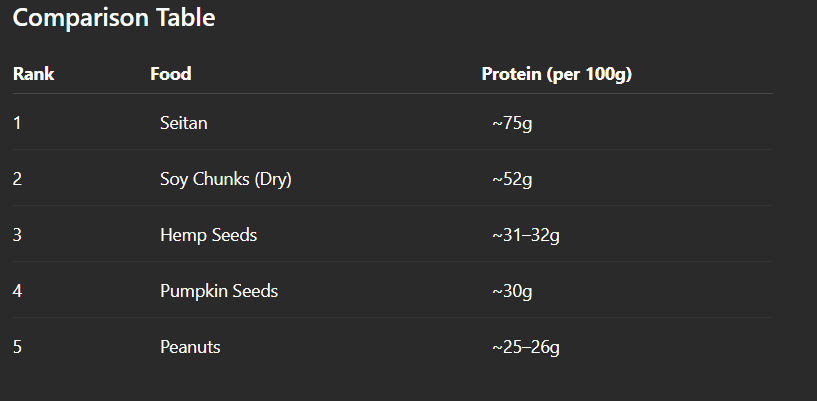
Simply eating high-protein foods is only part of the equation. Combining a variety of protein sources throughout the day helps ensure a complete amino acid intake. Pair legumes with whole grains, include seeds and nuts as snacks, and incorporate soy-based foods into regular meals for optimal nutrition.
Strength training, adequate hydration, and sufficient calorie intake further enhance your body's ability to utilize dietary protein effectively.
A vegetarian diet can easily provide enough protein when planned wisely. Seitan leads the rankings with an exceptional protein concentration, followed closely by soy chunks, which offer a complete amino acid profile and outstanding affordability. Hemp seeds and pumpkin seeds deliver both protein and heart-healthy fats, while peanuts remain an economical everyday choice.
Instead of relying on a single food, aim to include a variety of these protein-rich options in your weekly diet. This approach not only increases total protein intake but also ensures a broader range of vitamins, minerals, healthy fats, and fiber that contribute to long-term health.
Seitan ranks among the highest, providing approximately 75 grams of protein per 100 grams, making it one of the most protein-dense vegetarian foods available.
Yes. Soy chunks contain all nine essential amino acids, making them a complete, high-quality plant protein.
Absolutely. By consuming adequate protein from foods like soy chunks, seitan, tofu, legumes, dairy (if included), nuts, and seeds, vegetarians can effectively build and maintain muscle mass.
Per 100 grams, dry soy chunks contain significantly more protein than paneer. However, paneer provides calcium and is less processed, making both valuable for different nutritional goals.
Most healthy adults require around 0.8 grams of protein per kilogram of body weight daily. Individuals who are physically active, older adults, or those aiming to build muscle may benefit from higher intakes, typically ranging from 1.2 to 2.0 grams per kilogram, depending on activity level and health status.