English
 Arabic
 French
 Spanish
 Portuguese
 Deutsch
 Turkish
 Dutch
Dutch
 Italiano
 Russian
 Romaian
 Portuguese (Brazil)
 Greek
Greek
 Creator, Content & Commerce (3C)
 IMS for Investors
 Global News
 Vdo Junction
 Talkfever App
KuCoin wallet support number
Other |
2025-04-18 12:57:12
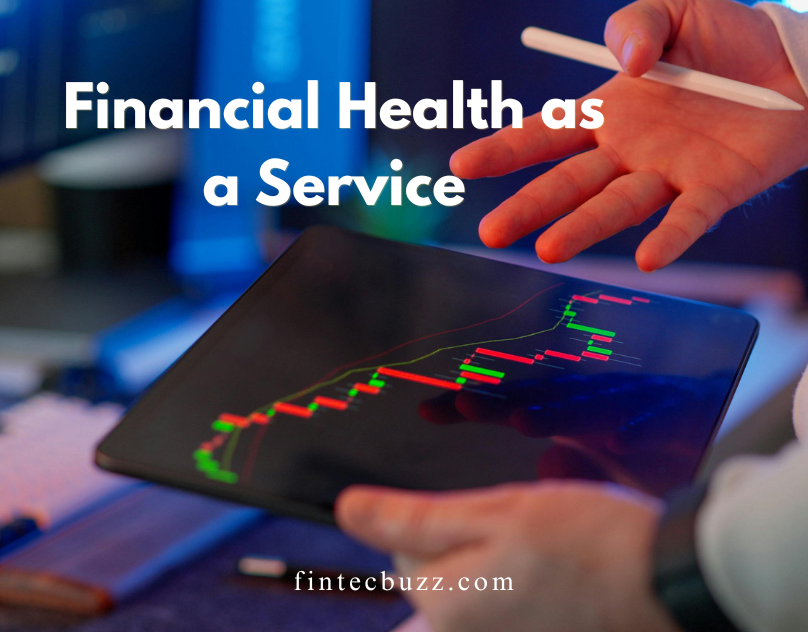
Digital financial services have made banking, investing, insurance, and payments more accessible than ever. However, while access to financial products has grown rapidly, many consumers still struggle with budgeting, debt management, savings, and long-term financial planning. This gap is creating a new opportunity for Financial Health as a Service (FHaaS).
Unlike traditional fintech solutions that focus on transactions, FHaaS prioritizes financial wellness. Using AI, predictive analytics, and personalized insights, it helps users make smarter financial decisions, build healthy financial habits, and achieve long-term financial goals. Instead of simply promoting new banking products, FHaaS provides continuous financial guidance that improves confidence and financial stability.
The first wave of fintech transformed payments, digital banking, and investing by making financial services more convenient. Today, consumers expect more than convenience. They want apps that can track spending, recommend savings goals, identify unnecessary expenses, and provide proactive financial advice before problems arise.
Financial wellness is increasingly becoming a key focus, helping individuals manage daily expenses, prepare for unexpected events, and achieve future financial goals with greater confidence.
Traditional fintech often competes by offering more products and features, but more choices do not always lead to better financial outcomes. Excessive loan offers, credit card promotions, and investment options can overwhelm consumers.
FHaaS takes a different approach by focusing on financial progress instead of product sales. It delivers personalized recommendations, continuous support, and goal-based guidance, enabling users to improve their overall financial health.