English
 Arabic
 French
 Spanish
 Portuguese
 Deutsch
 Turkish
 Dutch
Dutch
 Italiano
 Russian
 Romaian
 Portuguese (Brazil)
 Greek
Greek
 IMS for Investors
 Global News
 Vdo Junction
 Talkfever App
 Upcoming
IELTS Coaching in Chennai
Networking |
2026-06-05 07:39:52
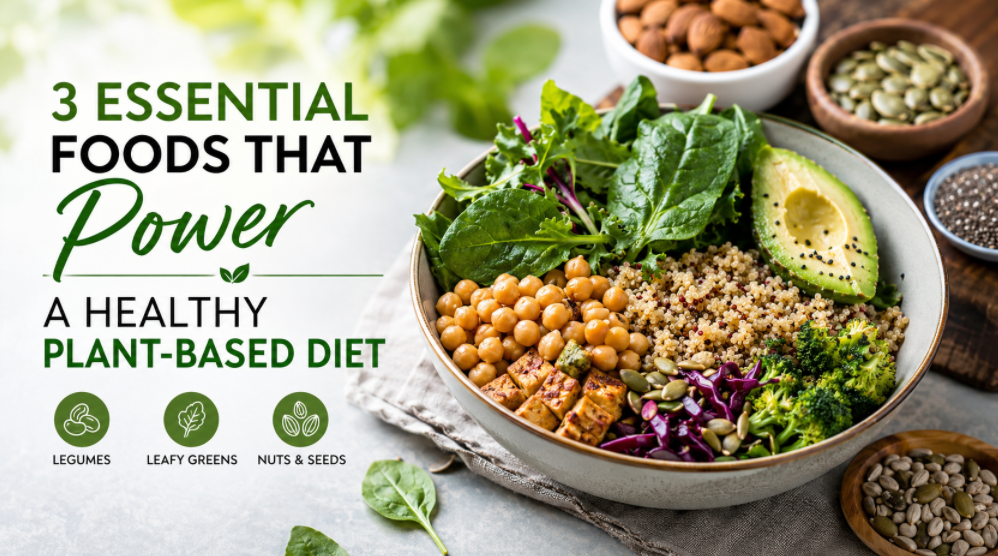
A well-planned plant-based diet has become one of the most effective ways to support long-term health, maintain energy, and reduce the risk of chronic diseases. Contrary to the common misconception that plant-based eating lacks essential nutrients, a balanced diet centered on whole plant foods can provide everything your body needs to thrive.
The key lies in choosing nutrient-dense foods that supply high-quality protein, healthy fats, fiber, vitamins, and minerals. Whether you're following a fully vegan lifestyle or simply incorporating more plant-based meals into your routine, focusing on the right ingredients can make all the difference.
Here are three essential foods that form the foundation of a healthy plant-based diet.
Legumes—including lentils, chickpeas, black beans, kidney beans, and peas—are nutritional powerhouses that deserve a permanent place on every plant-based plate. Rich in plant protein, dietary fiber, iron, folate, potassium, and complex carbohydrates, legumes provide sustained energy while promoting overall health.
Protein is essential for building and repairing tissues, supporting muscle maintenance, and strengthening the immune system. Legumes offer an excellent source of protein, making them an ideal alternative to animal-based foods. Although individual legumes may not contain all essential amino acids in optimal amounts, eating a variety of plant foods throughout the day easily meets protein requirements.
Beyond protein, legumes are exceptionally high in soluble fiber, which helps regulate blood sugar, lowers LDL ("bad") cholesterol, and supports digestive health by nourishing beneficial gut bacteria. Their slow-digesting carbohydrates also help maintain steady energy levels and improve satiety, making them valuable for healthy weight management.
Aiming for several servings of legumes each week can significantly improve the nutritional quality of your diet.
Leafy greens such as spinach, kale, Swiss chard, bok choy, collard greens, and arugula are among the most nutrient-dense foods available. Despite being low in calories, they provide impressive amounts of vitamins, minerals, antioxidants, and fiber.
These vegetables are particularly rich in vitamins A, C, K, and folate, all of which play critical roles in maintaining healthy vision, immune function, skin health, and normal blood clotting. They also supply calcium, magnesium, and potassium—minerals that contribute to strong bones, healthy muscles, and optimal heart function.
One of the greatest advantages of leafy greens is their abundance of antioxidants such as lutein, zeaxanthin, and beta-carotene. These compounds help protect cells from oxidative stress and inflammation, two major contributors to chronic diseases and premature aging.
Additionally, leafy greens are naturally high in dietary nitrates, which may help improve blood circulation and support cardiovascular health.
Consuming a variety of leafy greens daily ensures a steady supply of essential vitamins and minerals.
Although tiny in size, nuts and seeds pack an extraordinary nutritional punch. Almonds, walnuts, pistachios, cashews, chia seeds, flaxseeds, pumpkin seeds, sunflower seeds, and hemp seeds all contribute valuable nutrients that support overall wellness.
These foods are excellent sources of heart-healthy unsaturated fats, plant protein, fiber, vitamin E, magnesium, zinc, selenium, and numerous antioxidants.
Healthy fats are particularly important in plant-based diets because they aid in hormone production, brain function, nutrient absorption, and cell health. Walnuts, chia seeds, and flaxseeds are especially rich in omega-3 fatty acids, which support heart health and may help reduce inflammation.
Magnesium found in many nuts and seeds contributes to hundreds of biochemical reactions throughout the body, including muscle function, nerve signaling, blood sugar regulation, and energy production.
In addition, vitamin E acts as a powerful antioxidant that helps protect cells from damage while supporting healthy skin and immune function.
Because nuts are calorie-dense, moderate portions—about a small handful daily—offer substantial health benefits without excessive calorie intake.
While these three foods provide an excellent nutritional foundation, a healthy plant-based diet is most effective when paired with a variety of other whole foods.
Include:
Variety is one of the greatest strengths of plant-based nutrition. Eating a diverse selection of minimally processed foods ensures your body receives the broad spectrum of nutrients it needs for optimal health.
A healthy plant-based diet isn't about restriction—it's about choosing foods that naturally nourish your body. By making legumes, leafy green vegetables, and nuts and seeds the cornerstones of your meals, you'll provide your body with high-quality protein, healthy fats, fiber, vitamins, minerals, and powerful antioxidants.
Combined with a wide variety of fruits, vegetables, whole grains, and fortified foods where needed, these nutritional staples can help support heart health, digestive wellness, stronger immunity, sustained energy, and overall well-being. Small, consistent dietary choices often lead to the greatest long-term health benefits, making these three essential foods an excellent place to start.
Yes. Foods such as lentils, beans, chickpeas, soy products, nuts, seeds, and whole grains provide sufficient protein when consumed as part of a balanced diet.
A well-planned plant-based diet can support people at most stages of life. However, individual nutritional needs vary, so consulting a healthcare professional or registered dietitian is recommended, especially for children, pregnant individuals, or people with medical conditions.
Vitamin B12 is the primary nutrient that typically requires supplementation or fortified foods. Depending on individual circumstances, vitamin D, iron, calcium, iodine, and omega-3 fatty acids may also deserve attention.
Most nutrition experts recommend including legumes several times per week—or even daily—as part of a balanced plant-based eating pattern.
Nuts are naturally calorie-dense but contain healthy fats, protein, and fiber that promote fullness. When eaten in moderate portions, they can support healthy weight management rather than hinder it.
Not necessarily. Staples such as beans, lentils, oats, rice, seasonal vegetables, and frozen fruits are often affordable and highly nutritious, making plant-based eating accessible for most budgets.