 English
 Arabic
 French
 Spanish
 Portuguese
 Deutsch
 Turkish
 Dutch
Dutch
 Italiano
 Russian
 Romaian
 Portuguese (Brazil)
 Greek
Greek
 IMS for Investors
 Global News
 Vdo Junction
 Talkfever App
 Upcoming
U4GM Best POE 2 Items for Ailment Immunity
Crafts |
2025-07-21 03:26:20
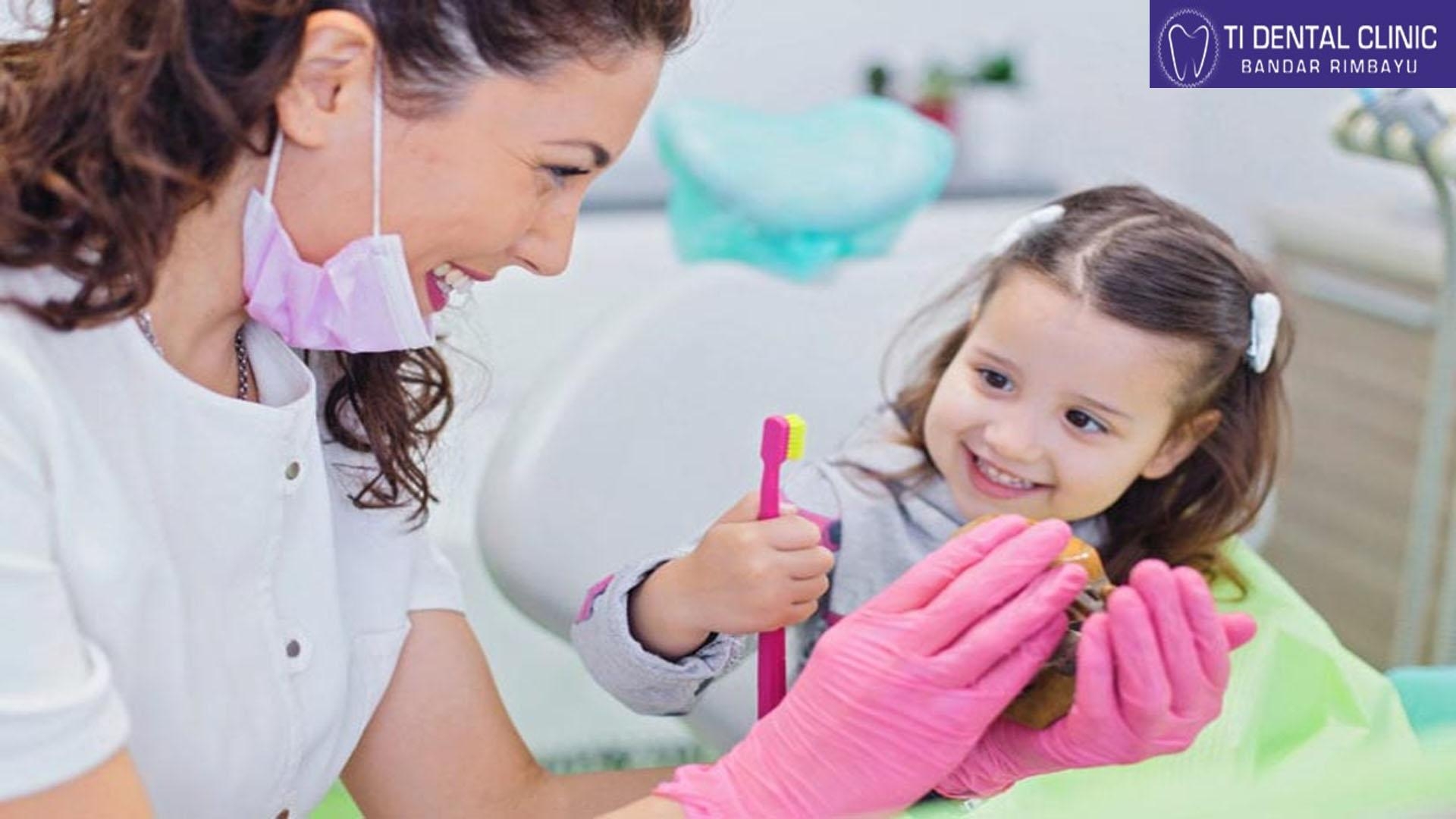
This early milestone isn't about filling cavities or dental paediatrician cleanings; it is about early prevention, parental education, and building a comfortable relationship with the clinic before problems have a chance to develop.
It is a dangerous myth that baby teeth "don't matter because they just fall out anyway." Primary teeth serve as the fundamental scaffolding for your child’s future smile. They are essential for:
Nutritional Development: Allowing your child to comfortably chew solid, nutrient-dense foods.
Speech Mastery: Acting as structural barriers that help the tongue formulate clear syllables and phonetic sounds.
Space Preservation: Holding the exact physical channels open within the jawbone so permanent adult teeth can guide themselves into the correct alignment later.
If a primary tooth develops deep decay and has to be extracted prematurely, the surrounding teeth will drift into the empty gap, completely blocking the underlying adult tooth and leading to severe orthodontic crowding.
The Threat of Early Childhood Caries (ECC): Cavities can develop the moment a tooth breaks through the gumline. ECC, commonly known as "baby bottle tooth decay," occurs when a child’s teeth are frequently exposed to sugary liquids—such as milk, formula, or fruit juice—especially when put to bed with a bottle. The sugars pool around the upper front teeth overnight, feeding destructive bacteria that strip away the soft infant enamel within months.
The initial appointment is intentionally designed to be quick, relaxed, and completely non-invasive. Clinicians often refer to this as a "Happy Visit" or an introductory knee-to-knee exam.
Your child can easily pick up on your own hidden anxieties. If you dread going to the dentist, your child will sense that tension before you even arrive at the clinic.
Keep It Casual: Avoid using loaded words like "pain," "hurt," "shot," or "needles." Instead, frame the visit as a fun adventure where a friendly helper is going to "count their teeth and take pictures of their smile."
Time it Strategically: Never schedule a dental appointment during your child's routine naptime or when they are typically hungry. A well-rested, well-fed toddler is significantly more cooperative.
Practice at Home: Play "dentist" in the living room. Have your kids dentist back on a pillow, count their teeth out loud with a small flashlight, and let them take turns doing the same to a favorite stuffed animal.


