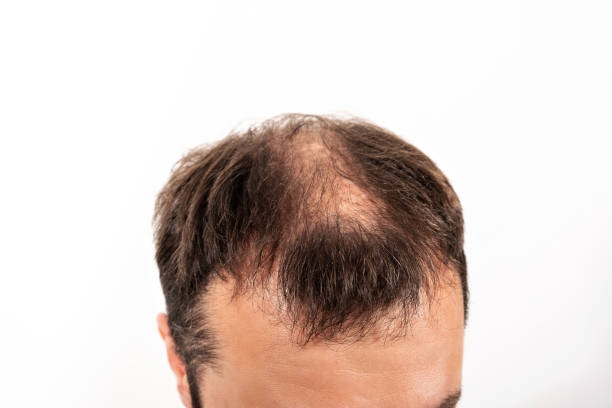
Hair Transplant for Alopecia Areata: Is It Possible?

0
22

Alopecia areata is an autoimmune condition that causes patchy hair loss when the immune system mistakenly attacks healthy hair follicles. Because of its unpredictable nature, many people wonder whether surgical solutions like hair transplantation can be used to restore lost hair. The answer is not simple, as suitability depends on disease stability and individual condition.

In advanced dermatological care such as alopecia area treatment in Saudi arabia, hair restoration options are carefully evaluated, and hair transplant is only considered in very specific, stable cases.

Understanding Alopecia Areata Before Transplant

Alopecia areata behaves differently from other types of hair loss because it is immune-driven rather than permanent follicle destruction.

Key Points:

  • Autoimmune-related hair loss condition
  • Hair follicles are not permanently destroyed
  • Condition can be unpredictable
  • May improve or worsen over time

Because of this unpredictable nature, treatment decisions must be made carefully.

Can Hair Transplant Be Done in Alopecia Areata?

Hair transplant is generally not the first-line treatment for alopecia areata. It is only considered in rare cases where the condition is completely stable for a long period.

Important Conditions for Eligibility:

  • No active hair loss for several years
  • Stable and non-progressive condition
  • No new bald patches appearing
  • Confirmed medical clearance by a specialist

Even in such cases, results are not always guaranteed due to the autoimmune nature of the disease.

Why Hair Transplant Is Usually Not Recommended

In most cases, hair transplant is avoided because alopecia areata can attack newly transplanted follicles as well.

Main Reasons:

  • Risk of recurrence in transplanted areas
  • Immune system may attack new grafts
  • Unpredictable disease pattern
  • Better response to medical therapies

This is why Alopecia Areata Treatment in Riyadh usually focuses on controlling the immune response before considering surgical options.

Better Treatment Alternatives

Instead of surgery, dermatologists often recommend medical and regenerative treatments that target the root cause of the condition.

Common Approaches:

  • Topical and injectable therapies
  • Immune-modulating treatments
  • PRP (Platelet-rich plasma) therapy
  • Nutritional and supportive care

These methods aim to stabilize hair loss and encourage natural regrowth.

When Hair Transplant May Be Considered

In very rare and carefully selected cases, hair transplant may be an option.

Suitable Scenarios:

  • Long-term stable alopecia areata
  • No history of recent flare-ups
  • Good donor hair availability
  • Dermatologist approval after full evaluation

Even then, close monitoring is required after the procedure.

Importance of Medical Stability

The success of any hair restoration approach depends heavily on disease control. Without stability, results may not last.

Stability Factors:

  • No active immune attack on follicles
  • No recent patch development
  • Controlled medical history
  • Consistent remission period

This is why early Alopecia Areata Treatment in Riyadh is crucial before considering surgical options.

Emotional Considerations

Hair loss can have a strong emotional impact, and many patients seek quick solutions. However, choosing the right treatment path is more important than rushing into surgery.

Key Points:

  • Patience is essential in autoimmune conditions
  • Medical control comes before cosmetic correction
  • Long-term results depend on stability
  • Psychological support may be helpful

Book Your Appointment at Royal Clinic Saudia

If you are dealing with patchy hair loss and wondering about advanced treatment options, professional evaluation is necessary. At Royal Clinic Saudia, specialists assess the stability of alopecia areata and recommend personalized treatment plans that may include medical therapy or carefully selected restoration options.

Starting Alopecia Areata Treatment in Riyadh early helps control progression and improves long-term hair recovery outcomes.

FAQs:

Is hair transplant a permanent solution for alopecia areata?
No, because the autoimmune condition can still attack transplanted hair if the disease is active.

Who is eligible for hair transplant in alopecia areata?
Only patients with long-term stable and inactive disease may be considered.

Why is transplant usually not recommended?
Because there is a high risk of recurrence and graft rejection due to immune activity.

What is the best treatment option instead?
Medical treatments that control immune response are usually the first and most effective approach.

 
Cerca
Sponsorizzato
Categorie
Leggi tutto
Social Networking
Transcritical CO2 Systems Market Trends Shaping the Future of Energy-Efficient Cooling Solutions
Market Overview The global Transcritical CO2 Systems Market is likely to rebound at a promising...
By Chloe Adams 2026-06-17 11:01:20 0 14
Health & Fitness
Laser Scar Removal Results Timeline: Week by Week
Laser scar removal is a gradual process that improves the appearance of scars by stimulating...
By Royal Clinic 2026-06-16 12:02:00 0 54
News & Media
Luxury Packaging Market to Reach USD 21.3 Billion by 2036 | Rising Demand for Gift Packaging Solutions Supports Adoption
The global luxury packaging market is undergoing a structural transformation, where...
By Jennifer Lawrence 2026-06-09 13:24:30 0 315
Social Commerce
How to Communicate with SBCGlobal Email Support: A Step-by-Step Guide
To contact SBCGlobal Email Support, you can dial 📞+1-475-315-9016 or 1 (800)...
By Sac Jim 2025-04-26 08:24:01 1 2K
Talkfever - Growing worldwide https://talkfever.com