 English
 Arabic
 French
 Spanish
 Portuguese
 Deutsch
 Turkish
 Dutch
Dutch
 Italiano
 Russian
 Romaian
 Portuguese (Brazil)
 Greek
Greek
How Is Massive MIMO Channel Reciprocity Calibration Improving TDD O-RU Performance?
Other |
2026-07-01 12:12:32
 Social Networth OS
 Creator Commerce
 Launch Startup
 Global News
 Creator Award
 Talkfever App
Ver Todo
Talkfever App
Ver Todo

Upgrade to Pro
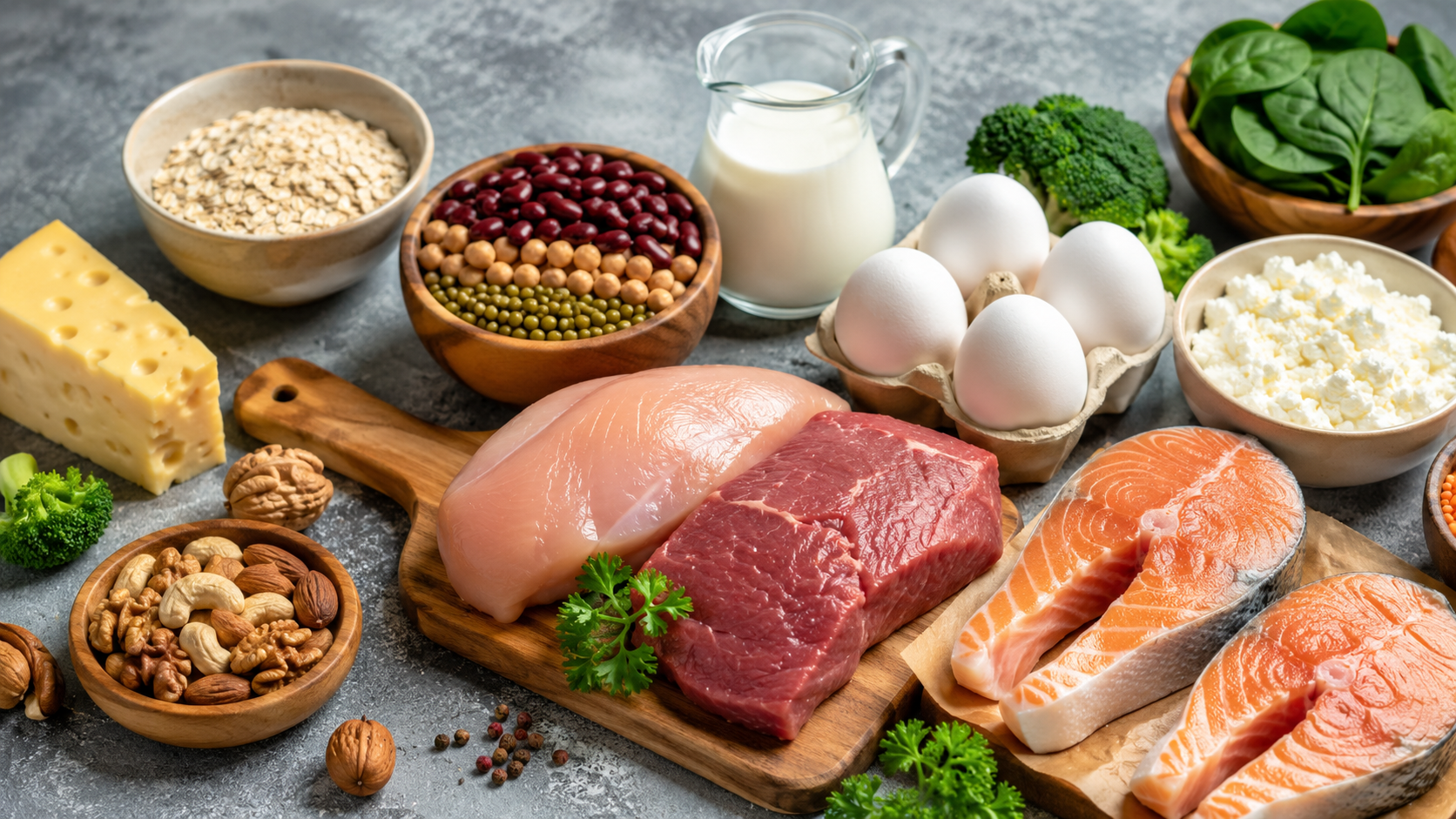
For decades, eggs have been celebrated as one of the most complete and affordable sources of protein. A single large egg contains approximately 6–7 grams of high-quality protein, along with essential vitamins and minerals that support overall health. However, while eggs remain an excellent nutritional choice, they are far from the only protein powerhouse available.
Whether you're an athlete looking to build muscle, someone aiming to lose weight, or simply seeking healthier dietary options, incorporating a variety of protein-rich foods into your meals can help you meet your nutritional goals more effectively. In fact, several foods provide significantly more protein per serving than eggs while also delivering additional health benefits.
Here are six of the best high-protein foods that contain more protein than eggs.
Chicken breast is often considered the gold standard for lean protein. A 100-gram serving of cooked, skinless chicken breast contains approximately 31 grams of protein—more than four times the protein found in a single egg.
What makes chicken breast particularly appealing is its low fat content and versatility. It can be grilled, baked, roasted, or added to salads, sandwiches, and wraps without significantly increasing calorie intake.
For fitness enthusiasts and athletes, chicken breast remains one of the most efficient ways to increase daily protein intake.
Greek yogurt has gained popularity among nutritionists and fitness experts for good reason. A typical 200-gram serving provides around 18–20 grams of protein, far exceeding the protein content of eggs.
Unlike regular yogurt, Greek yogurt undergoes a straining process that removes excess whey, resulting in a thicker texture and higher protein concentration. It also contains probiotics that support digestive health.
For a protein-packed meal, pair Greek yogurt with berries, nuts, and seeds.
Tuna is one of the most protein-dense seafood options available. A 100-gram serving of tuna contains approximately 25–30 grams of protein while remaining relatively low in calories.
In addition to its impressive protein content, tuna is rich in omega-3 fatty acids, which support heart and brain health.
Whether fresh or canned, tuna is an excellent choice for individuals seeking a nutrient-dense, high-protein food.
Cottage cheese is often overlooked, but it is one of the best protein-rich dairy products available. One cup (about 225 grams) contains approximately 25–28 grams of protein.
Its primary protein source is casein, a slow-digesting protein that provides a steady release of amino acids over several hours. This makes cottage cheese particularly popular as a bedtime snack among athletes and bodybuilders.
Its mild flavor makes it easy to combine with fruits, vegetables, or whole grains.
For those following plant-based diets, lentils are among the most valuable protein sources available. One cooked cup provides around 18 grams of protein, significantly more than eggs.
Beyond protein, lentils are packed with dietary fiber, iron, folate, and complex carbohydrates that support long-lasting energy and digestive health.
Lentils are ideal for soups, curries, salads, and meal-prep recipes.
Tempeh is a fermented soybean product that offers an impressive nutritional profile. A 100-gram serving contains approximately 19–21 grams of protein, making it one of the best plant-based alternatives to animal proteins.
Unlike many processed meat substitutes, tempeh is minimally processed and contains beneficial probiotics resulting from fermentation.
Its firm texture and nutty flavor make it an excellent replacement for meat in stir-fries, sandwiches, and grain bowls.
Protein plays a crucial role in nearly every function of the body. It helps build and repair tissues, supports immune function, produces enzymes and hormones, and maintains muscle mass.
Consuming adequate protein can also:
While eggs remain an outstanding source of protein, diversifying your protein intake ensures you receive a broader range of nutrients that contribute to overall health.
Eggs have long earned their reputation as a nutritious and affordable protein source, but they are not the only option when it comes to meeting your daily protein needs. Foods such as chicken breast, Greek yogurt, tuna, cottage cheese, lentils, and tempeh provide substantially more protein per serving while offering unique nutritional advantages.
Including a variety of these protein-rich foods in your diet can help support muscle growth, improve satiety, enhance recovery, and contribute to better overall health. Whether you prefer animal-based or plant-based options, these six foods prove that there are many powerful alternatives that can outperform eggs in protein content.
A large egg typically contains about 6–7 grams of high-quality protein.
Chicken breast generally contains the most protein, providing approximately 31 grams per 100 grams of cooked meat.
Yes. Plant-based proteins such as lentils and tempeh can effectively support health and muscle maintenance, especially when consumed as part of a varied diet.
Greek yogurt usually contains more protein and less sugar than regular yogurt, making it a popular choice for health-conscious individuals.
Absolutely. Many high-protein foods—including chicken, fish, dairy products, legumes, and soy-based foods—can help support muscle growth and recovery.
The recommended daily intake is approximately 0.8 grams of protein per kilogram of body weight for most adults, although active individuals may require more.
Lentils, tempeh, Greek yogurt, and cottage cheese are among the best high-protein choices for vegetarians.


