English
 Arabic
 French
 Spanish
 Portuguese
 Deutsch
 Turkish
 Dutch
Dutch
 Italiano
 Russian
 Romaian
 Portuguese (Brazil)
 Greek
Greek
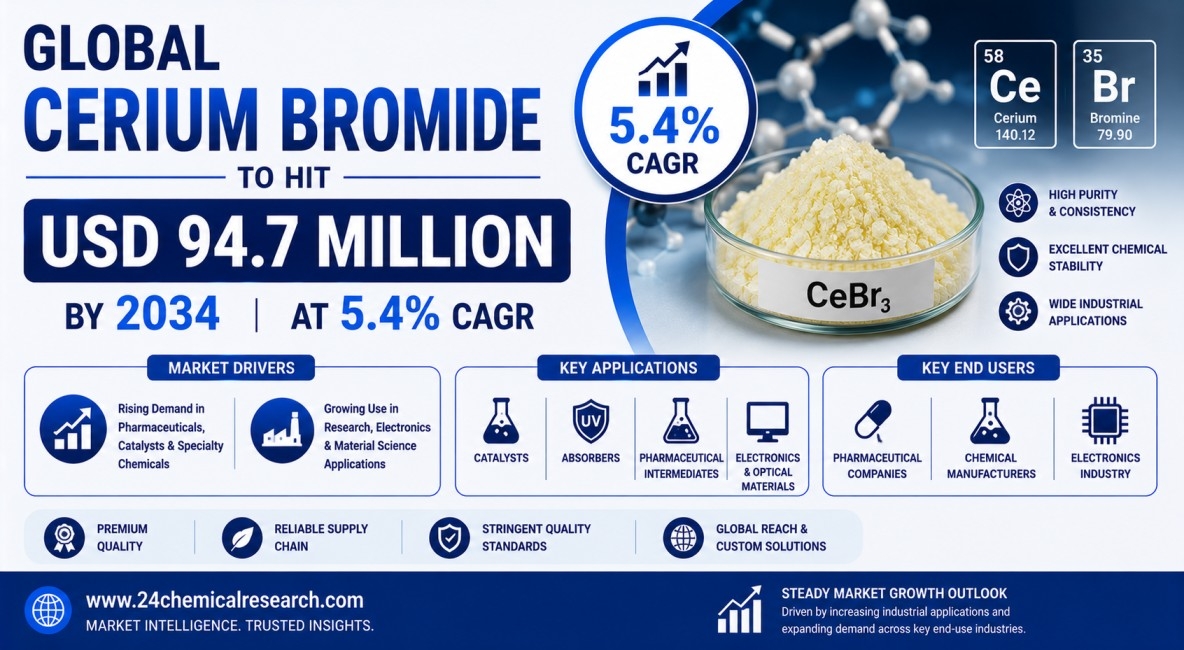
Global Cerium Bromide to Hit USD 94.7 Million by 2034 at 5.4% CAGR
Music |
2026-05-28 12:50:35
 Social Networth OS
 Creator Commerce
 Launch Startup
 Global News
 Creator Award
 Talkfever App
TOON ALLES
Talkfever App
TOON ALLES

Upgrade to Pro
As businesses accelerate their digital transformation efforts, the demand for faster software development has never been higher. Traditional application development often requires significant coding expertise, lengthy development cycles, and substantial budgets. To address these challenges, organizations are increasingly turning to low-code and no-code platforms. These solutions enable users to build applications more efficiently, but they serve different audiences and use cases.
Low-code platforms provide a visual development environment where users can create applications using drag-and-drop components, pre-built templates, and automated workflows. While these platforms minimize the amount of manual coding required, they still allow developers to write custom code when necessary.
Low-code solutions are designed primarily for professional developers and technically skilled users who want to speed up application development without sacrificing flexibility. They help organizations build complex business applications, integrate with existing systems, and automate processes more quickly than traditional development methods.
Popular low-code platforms include Microsoft Power Apps, OutSystems, Mendix, and Appian.
No-code platforms take simplicity a step further by eliminating the need for coding altogether. Users can create applications, websites, workflows, and databases using intuitive visual interfaces and drag-and-drop functionality.
These platforms are designed for business users, marketers, operations teams, and other non-technical professionals who need to solve business challenges without relying heavily on IT departments. No-code tools empower citizen developers to build solutions independently, reducing development bottlenecks and accelerating innovation.
Examples of no-code platforms include Bubble, Glide, Zapier, Webflow, and Airtable.
The primary distinction lies in the level of technical knowledge needed.
Low-code platforms require some understanding of software development concepts and may involve writing code for advanced customizations. In contrast, no-code platforms are designed for users with little to no programming experience.
Low-code platforms offer greater flexibility because developers can extend functionality with custom code when necessary. This makes them suitable for enterprise-grade applications and complex workflows.
No-code platforms prioritize ease of use, which can limit customization options. While they are excellent for standard business processes, highly specialized applications may exceed their capabilities.
Both approaches significantly reduce development time compared to traditional coding. However, no-code platforms typically enable faster deployment because users can build applications entirely through visual interfaces without writing code.
Low-code solutions generally provide better scalability and integration capabilities, making them suitable for larger organizations with evolving business needs.
No-code applications work well for smaller projects, prototypes, internal tools, and workflow automation but may face limitations as application complexity increases.
Low-code platforms primarily serve IT teams, software developers, and technical professionals. No-code platforms target business users, entrepreneurs, and teams seeking rapid application development without technical expertise.
Both low-code and no-code platforms offer several advantages:
Organizations can quickly respond to market changes and customer demands by leveraging these platforms.
The choice between low-code and no-code depends on business objectives, technical requirements, and available resources.
Choose a low-code platform if your organization requires complex applications, extensive integrations, enterprise scalability, or custom functionality. It is ideal for businesses with development teams looking to accelerate project delivery.
Choose a no-code platform if your goal is to empower non-technical users, automate simple workflows, create prototypes, or launch applications quickly without coding expertise.
Low-code and no-code platforms are transforming the way organizations develop software. While low-code platforms offer greater flexibility and scalability for developers, no-code platforms empower business users to build solutions independently. As digital transformation continues to reshape industries, both approaches will play a critical role in helping organizations innovate faster, reduce development costs, and improve operational efficiency. Understanding their differences allows businesses to select the right platform and maximize the value of their technology investments.
Read More: https://theinfotech.info/