English
 Arabic
 French
 Spanish
 Portuguese
 Deutsch
 Turkish
 Dutch
Dutch
 Italiano
 Russian
 Romaian
 Portuguese (Brazil)
 Greek
Greek
Silicon Deep RIE System Market Size, Share 2024 | Forecast Research, 2032
Other |
2025-01-21 10:55:13
 Social Networth OS
 Creator Commerce
 Launch Startup
 Global News
 Creator Award
 Talkfever App
عرض كل النتائج
Talkfever App
عرض كل النتائج

ترقية الحساب
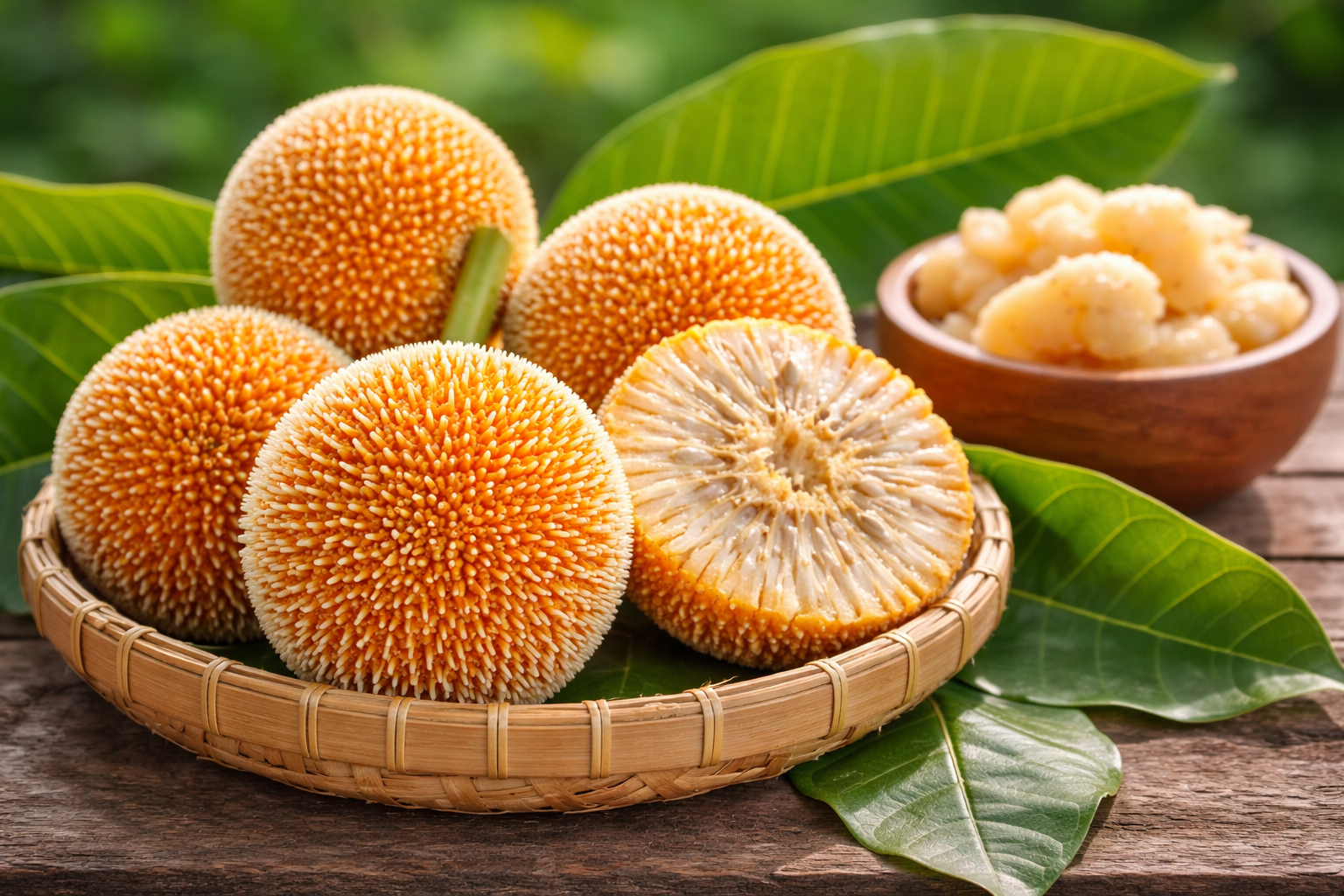
In the growing movement toward natural wellness and plant-based nutrition, lesser-known fruits are gaining well-deserved attention. One such hidden gem is the Kadamba fruit—an ancient, nutrient-rich fruit that has been valued in traditional systems of medicine for centuries. Derived from the Kadamba tree, widely found across South and Southeast Asia, this fruit offers a unique blend of nutritional, medicinal, and therapeutic benefits that can significantly enhance overall well-being.
Kadamba fruit is spherical, with a distinctive orange-yellow hue and a mildly sweet, slightly tangy flavor. While it may not be as commercially popular as apples or bananas, its role in traditional health practices—especially in Ayurveda—has been profound. Every part of the Kadamba tree, including its fruit, bark, and leaves, is believed to possess healing properties.
Kadamba fruit is a powerhouse of essential nutrients. It contains:
This combination makes it a valuable addition to a balanced diet, particularly for those seeking natural health solutions.
The high vitamin C content in Kadamba fruit strengthens the body’s immune defenses. Regular consumption can help reduce susceptibility to common infections such as colds and flu while enhancing the body’s ability to recover quickly.
Rich in dietary fiber, Kadamba fruit aids in smooth digestion and helps prevent common gastrointestinal issues like constipation and bloating. It also promotes the growth of beneficial gut bacteria, contributing to overall digestive balance.
Kadamba fruit contains natural compounds that help reduce inflammation in the body. This can be particularly beneficial for individuals suffering from chronic conditions such as arthritis or inflammatory disorders.
The antioxidants present in Kadamba fruit play a crucial role in maintaining healthy skin. They help neutralize free radicals, reducing signs of aging such as wrinkles, fine lines, and dullness. Additionally, its antibacterial properties may help in managing acne and skin infections.
With its natural sugars and nutrient density, Kadamba fruit serves as an excellent energy booster. It is especially useful for individuals with active lifestyles or those needing a quick, healthy snack to combat fatigue.
Traditional medicine systems have long used Kadamba fruit for liver health. Its detoxifying properties help cleanse the liver, improve metabolism, and support overall bodily functions.
Emerging studies and traditional knowledge suggest that Kadamba fruit may help regulate blood sugar levels when consumed in moderation. Its fiber content slows down sugar absorption, making it a potentially beneficial fruit for individuals managing diabetes.
Beyond its nutritional value, Kadamba fruit holds cultural and spiritual importance in many regions. The Kadamba tree is often associated with religious traditions and is considered sacred in certain communities. This deep-rooted connection further emphasizes its long-standing role in holistic wellness.
While Kadamba fruit may not always be readily available in urban markets, it can be consumed in several ways:
When trying Kadamba fruit for the first time, start with small quantities to understand how your body responds.
Although Kadamba fruit is generally safe for consumption, a few precautions should be kept in mind:
As the global focus shifts toward natural and sustainable health solutions, Kadamba fruit is gradually gaining recognition. Its rich nutritional profile, combined with centuries of traditional use, positions it as a promising superfruit for modern diets. With increased awareness and availability, it may soon become a staple in health-conscious communities worldwide.
Kadamba fruit stands as a remarkable example of how nature provides powerful solutions for human health. From boosting immunity and aiding digestion to enhancing skin health and supporting energy levels, its benefits are both diverse and impactful. While it remains relatively underutilized in mainstream diets, its potential in promoting holistic wellness is undeniable. By incorporating Kadamba fruit into your lifestyle, you embrace a natural, time-tested approach to better health and vitality.
Kadamba fruit has a mildly sweet and slightly tangy flavor, making it pleasant and refreshing to consume.
Yes, it can be consumed daily in moderate amounts. However, like any fruit, overconsumption should be avoided.
Its fiber content can promote satiety and aid digestion, which may support weight management when combined with a balanced diet.
It may help regulate blood sugar levels due to its fiber content, but individuals with diabetes should consult a doctor before adding it to their diet.
Kadamba fruit is typically found in rural areas or local markets in regions where the tree grows naturally. It may also be available through herbal or organic suppliers.
There are no major side effects when consumed in moderation. However, excessive intake may cause mild digestive issues.