English
 Arabic
 French
 Spanish
 Portuguese
 Deutsch
 Turkish
 Dutch
Dutch
 Italiano
 Russian
 Romaian
 Portuguese (Brazil)
 Greek
Greek
 Creator, Content & Commerce (3C)
 IMS for Investors
 Global News
 Vdo Junction
 Talkfever App
Restoration Contractor: Understanding the Role in Property Recovery and Repair
Home |
2026-07-20 17:09:56
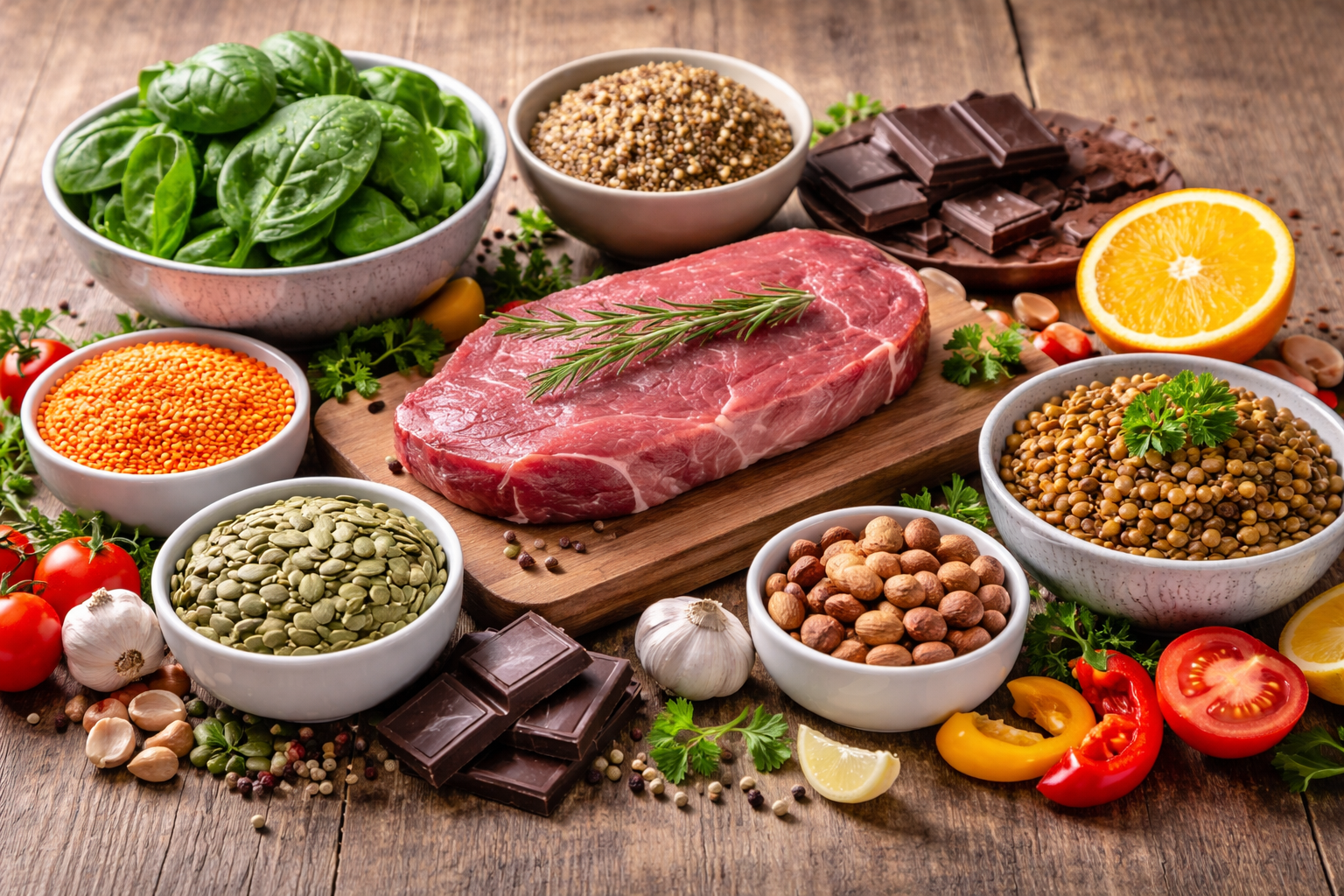
Iron is a vital mineral that plays a central role in maintaining energy levels, supporting muscle function, and enhancing overall physical performance. It is a key component of hemoglobin, the protein in red blood cells responsible for transporting oxygen throughout the body. When iron levels are insufficient, the body struggles to deliver oxygen efficiently, leading to fatigue, weakness, and reduced endurance.
In today’s fast-paced lifestyle, maintaining optimal iron intake is more important than ever. Whether you are an athlete, a working professional, or simply aiming to stay active and healthy, incorporating iron-rich foods into your diet can significantly improve your vitality and strength. Below are six essential iron-rich foods that can help elevate your energy levels and support physical performance.
Spinach is one of the most accessible and nutrient-rich leafy greens, packed with non-heme iron. In addition to iron, it contains vitamin C, which enhances iron absorption, making it an excellent addition to your diet.
This versatile vegetable can be consumed in salads, smoothies, soups, or lightly sautéed dishes. Regular consumption of spinach supports red blood cell production and helps combat fatigue. Moreover, its rich antioxidant content contributes to overall cellular health, making it a powerful food for sustained energy.
Red meat, such as beef and lamb, is one of the richest sources of heme iron, which is more easily absorbed by the body compared to plant-based iron. This makes it particularly beneficial for individuals with higher iron requirements, such as athletes or those recovering from illness.
In addition to iron, red meat provides high-quality protein, zinc, and B vitamins, all of which contribute to muscle repair and strength development. Consuming moderate portions of lean red meat can significantly improve hemoglobin levels and overall physical stamina.
Lentils are a staple in many diets and an excellent plant-based source of iron. They are especially beneficial for vegetarians and vegans seeking to meet their nutritional needs without animal products.
Rich in protein, fiber, and essential minerals, lentils help maintain steady energy levels throughout the day. They also support digestive health and promote satiety. Pairing lentils with vitamin C-rich foods such as tomatoes or citrus fruits can enhance iron absorption and maximize their benefits.
Pumpkin seeds are a compact yet powerful source of iron and other essential nutrients, including magnesium, zinc, and healthy fats. These seeds are ideal for snacking and can be easily incorporated into salads, yogurt, or smoothies.
Their nutrient density makes them particularly effective in boosting energy levels and supporting muscle function. Regular consumption of pumpkin seeds can also contribute to improved immunity and heart health, making them a well-rounded addition to a balanced diet.
Quinoa is a unique grain that stands out for its complete protein profile and significant iron content. It is gluten-free and suitable for a wide range of dietary preferences.
In addition to iron, quinoa provides essential amino acids, magnesium, and fiber, all of which support muscle strength and sustained energy release. Its versatility allows it to be used in both savory and sweet dishes, making it an easy and nutritious staple for daily meals.
Dark chocolate, particularly varieties with high cocoa content, is an unexpectedly rich source of iron. It also contains antioxidants and minerals that support cardiovascular health and improve mood.
Consuming dark chocolate in moderation can provide a quick energy boost while satisfying cravings. Its iron content contributes to improved oxygen transport in the body, which can enhance physical performance and reduce fatigue. Choosing high-quality dark chocolate with minimal added sugar ensures maximum health benefits.
Maintaining adequate iron levels is essential for sustaining energy, building physical strength, and supporting overall well-being. By incorporating a mix of both heme and non-heme iron sources—such as leafy greens, legumes, seeds, whole grains, and lean meats—you can ensure a balanced and effective approach to nutrition.
Consistency is key. Pairing iron-rich foods with vitamin C sources, avoiding excessive intake of inhibitors like caffeine during meals, and maintaining a diverse diet can significantly improve iron absorption and utilization. Ultimately, these six essential foods offer a practical and powerful way to boost energy levels and enhance physical performance naturally.
Common symptoms include fatigue, weakness, pale skin, shortness of breath, dizziness, and reduced physical performance. In severe cases, it may lead to anemia.
You can enhance iron absorption by consuming vitamin C-rich foods such as oranges, tomatoes, and bell peppers alongside iron-rich meals. Avoid drinking tea or coffee immediately after meals, as they can inhibit absorption.
Plant-based (non-heme) iron is less easily absorbed than heme iron from animal sources. However, combining plant-based foods with vitamin C can significantly improve absorption.
The recommended daily intake varies by age and gender. Adult men typically need around 8 mg per day, while women require approximately 18 mg due to menstrual losses.
It is unlikely to consume excessive iron from food alone. However, excessive supplementation without medical advice can lead to health complications.
Yes, high-quality dark chocolate with a high cocoa percentage contains a notable amount of iron, along with antioxidants. However, it should be consumed in moderation as part of a balanced diet.