English
 Arabic
 French
 Spanish
 Portuguese
 Deutsch
 Turkish
 Dutch
Dutch
 Italiano
 Russian
 Romaian
 Portuguese (Brazil)
 Greek
Greek
 Creator, Content & Commerce (3C)
 IMS for Investors
 Global News
 Vdo Junction
 Talkfever App
Graphic Design Courses
Networking |
2026-06-04 07:25:15
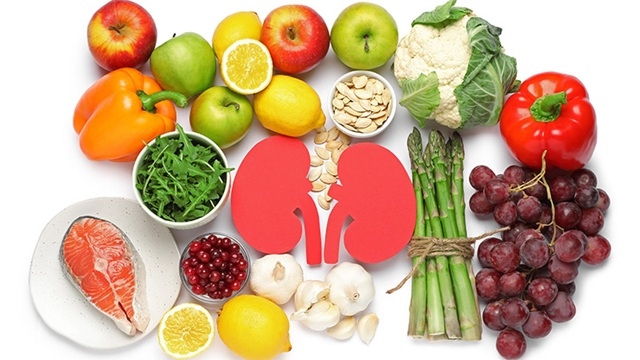
Your kidneys are among the most hardworking organs in your body. Every day, they filter waste, balance fluids, regulate electrolytes, and help maintain overall internal stability. With increasing exposure to processed foods, environmental toxins, and sedentary lifestyles, supporting kidney health has never been more important.
While the body is naturally equipped to detoxify itself, certain foods can enhance these processes and promote optimal kidney function. Incorporating the right nutrients into your daily diet can gently support your kidneys, helping them perform efficiently without relying on extreme “detox” methods.
Here are five powerful, natural foods you should start eating today to support and cleanse your kidneys.
Cranberries are widely recognized for their role in supporting urinary tract health. They contain compounds called proanthocyanidins, which help prevent harmful bacteria from adhering to the urinary tract walls. This reduces the risk of infections that can place stress on the kidneys.
In addition to their protective properties, cranberries are rich in antioxidants that combat oxidative stress—one of the contributors to kidney damage over time. Whether consumed as fresh fruit, unsweetened juice, or in smoothies, cranberries are a simple and effective addition to your kidney-supportive diet.
For those mindful of kidney health, especially individuals with reduced kidney function, managing potassium intake is often essential. Red bell peppers are an excellent choice because they are low in potassium yet packed with vital nutrients like vitamin C, vitamin A, and fiber.
These nutrients help reduce inflammation and support immune function, indirectly benefiting kidney health. Their natural sweetness and versatility make them easy to include in salads, stir-fries, or roasted dishes.
Garlic is more than just a flavorful ingredient—it’s a powerful natural detoxifier. It contains sulfur compounds that activate liver enzymes responsible for flushing out toxins from the body. By reducing the overall toxic load, garlic indirectly supports kidney function.
Additionally, garlic has anti-inflammatory and antioxidant properties, which help protect kidney tissues from damage. It can also assist in lowering blood pressure, a key factor in preventing kidney disease. Adding fresh garlic to your meals regularly can offer both flavor and health benefits.
Leafy greens such as spinach, kale, and arugula are rich in vitamins, minerals, and antioxidants. These nutrients support overall bodily functions, including detoxification pathways that involve both the liver and kidneys.
They are particularly high in chlorophyll, which may help neutralize toxins in the bloodstream. However, individuals with existing kidney conditions should monitor portions, as some leafy greens contain higher levels of potassium.
For most people, incorporating a variety of leafy greens into daily meals—whether in salads, smoothies, or lightly cooked dishes—can significantly enhance kidney-supportive nutrition.
Apples are one of the most accessible and beneficial fruits for kidney health. They are high in fiber, particularly pectin, which helps reduce cholesterol levels and stabilize blood sugar—two factors closely linked to kidney function.
Apples also have mild diuretic properties, encouraging the elimination of waste and excess fluids from the body. Their antioxidant content further helps reduce inflammation and oxidative stress.
Enjoy apples as a snack, sliced into oatmeal, or blended into smoothies for a refreshing and kidney-friendly option.
While these five foods can support your kidneys, it’s important to adopt a holistic approach. Staying well-hydrated is crucial, as water helps the kidneys flush out toxins effectively. Reducing excessive salt, sugar, and processed food intake also plays a vital role in maintaining kidney function.
Regular physical activity, maintaining a healthy weight, and managing blood pressure and blood sugar levels further contribute to long-term kidney health.
Cleansing your kidneys doesn’t require extreme diets or expensive supplements. In fact, the most effective approach is often the simplest—nourishing your body with whole, natural foods that support its built-in detoxification systems.
By incorporating cranberries, red bell peppers, garlic, leafy greens, and apples into your daily routine, you provide your kidneys with the nutrients they need to function efficiently. Over time, these small, consistent dietary choices can lead to meaningful improvements in overall health and well-being.
Remember, your kidneys work tirelessly for you every day. Supporting them through mindful nutrition is not just a short-term detox strategy—it’s a long-term investment in your health.
The kidneys naturally cleanse the body by filtering waste from the blood. While no food can “detox” the kidneys instantly, certain nutrient-rich foods support their function and reduce strain, enhancing their natural processes.
While individual needs vary, most people benefit from drinking around 2–3 liters of water per day. Proper hydration helps the kidneys flush out toxins effectively. However, those with kidney conditions should follow their doctor’s advice.
Some of these foods, particularly leafy greens, may contain higher levels of potassium. Individuals with kidney disease should consult a healthcare professional before making significant dietary changes.
Dietary changes can begin supporting kidney function within weeks, but noticeable improvements depend on overall health, consistency, and lifestyle habits. Long-term commitment yields the best results.
In most cases, whole foods provide sufficient nutrients for supporting kidney health. Supplements should only be taken under medical supervision, as some may place additional strain on the kidneys.