English
 Arabic
 French
 Spanish
 Portuguese
 Deutsch
 Turkish
 Dutch
Dutch
 Italiano
 Russian
 Romaian
 Portuguese (Brazil)
 Greek
Greek
 Creator, Content & Commerce (3C)
 IMS for Investors
 Global News
 Vdo Junction
 Talkfever App
Protein Crystallization and Crystallography Market Analysis, Regional Outlook & Insights
Other |
2026-06-30 09:54:38
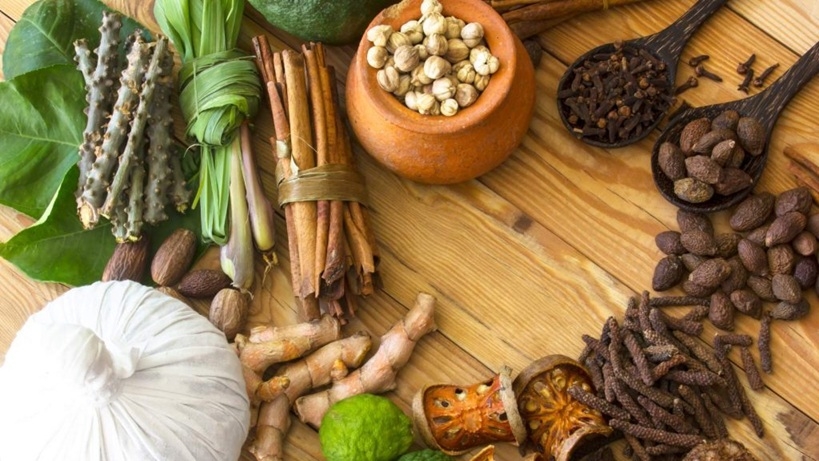
In a world increasingly dominated by synthetic supplements and complex health hacks, the wisdom of Ayurveda—India’s ancient system of medicine—offers a return to simplicity. For over 3,000 years, Ayurvedic practitioners have relied on the kitchen as their primary pharmacy, utilizing spices not just for flavor, but for their profound therapeutic properties.
Today, modern science is finally catching up. Researchers are validating what sages have known for millennia: these aromatic powerhouses can significantly impact our health. By integrating these seven essential Ayurvedic spices into your daily diet, you are not just cooking; you are curating a lifestyle of preventative wellness.
No list of Ayurvedic spices is complete without Haridra, commonly known as turmeric. This bright orange rhizome owes its fame to curcumin, a compound with potent anti-inflammatory and antioxidant effects.
Scientific Backing: Numerous studies have shown that curcumin can match the effectiveness of some anti-inflammatory drugs without the side effects. It is also being extensively studied for its role in managing chronic conditions like arthritis and metabolic syndrome.
Usage: To unlock its benefits, you must consume turmeric with black pepper. Piperine, a compound in pepper, increases curcumin absorption by up to 2,000%.
Known as Jiraka in Ayurveda, cumin is the ultimate digestive fire-starter. It stimulates the secretion of pancreatic enzymes, which are essential for proper digestion and nutrient assimilation.
Scientific Backing: Research confirms that cumin can significantly relieve symptoms of Irritable Bowel Syndrome (IBS) and improve digestion time. Its essential oils also possess antimicrobial properties that fight gut infections.
Usage: Temper your dals and vegetables with a teaspoon of cumin seeds, or sip on cumin water first thing in the morning to kickstart your metabolism.
Ayurveda reveres ginger as the "universal medicine" due to its ability to balance all three doshas (body energies). It is a warming spice that improves circulation and clears stagnation.
Scientific Backing: Ginger is a well-documented antiemetic, meaning it effectively reduces nausea caused by motion sickness, pregnancy, or chemotherapy. Its gingerol compounds also reduce oxidative stress and muscle pain.
Usage: Fresh ginger tea with lemon and honey is a powerful remedy for colds, while dried ginger powder can be added to baked goods and curries.
This sweet and warming bark, or Tvak, is prized in Ayurveda for its ability to target Kapha imbalances, which often manifest as sluggishness and congestion. However, its modern claim to fame lies in metabolic health.
Scientific Backing: Multiple studies have demonstrated that cinnamon can lower fasting blood glucose levels and improve insulin sensitivity, making it a critical tool for managing Type 2 diabetes.
Usage: Sprinkle Ceylon cinnamon (the preferred variety) into your coffee, oatmeal, or smoothies to stabilize energy levels throughout the day.
Often called the "queen of spices," cardamom, or Ela, is used in Ayurveda to cleanse the body of toxins (Ama) and to balance stomach acid.
Scientific Backing: Research indicates that cardamom possesses diuretic properties, helping to lower blood pressure. It also contains high levels of phytochemicals that act as natural detoxifiers and antioxidants.
Usage: Chew on a few seeds after a heavy meal to freshen breath and aid digestion, or steep the pods in hot water for a calming, detoxifying tea.
Beyond its role as a table condiment, black pepper, or Maricha, is considered a synergistic "carrier spice." It enhances the bioavailability of other nutrients and herbs, ensuring your body absorbs everything it needs.
Scientific Backing: The outer layer of the peppercorn contains piperine, which has been shown to inhibit certain enzymes that metabolize drugs and nutrients, allowing them to stay active in the body longer.
Usage: Always grind fresh pepper onto your food, especially when consuming turmeric or green leafy vegetables.
Known as Methika in Ayurveda, fenugreek seeds are slightly bitter but incredibly effective for metabolic health and lactation support.
Scientific Backing: Fenugreek is rich in soluble fiber, which slows the absorption of sugar and carbohydrates. Studies confirm its efficacy in improving glycemic control and lowering LDL (bad) cholesterol.
Usage: Soak a teaspoon of seeds overnight and drink the water in the morning, or use the powdered form in curries and flatbread doughs.
The bridge between ancient Ayurvedic wisdom and modern nutritional science is stronger than ever. These seven spices are more than just pantry staples; they are a testament to the concept of food as medicine. By incorporating turmeric, cumin, ginger, cinnamon, cardamom, black pepper, and fenugreek into your daily routine, you are not only enhancing the flavor profile of your meals but also actively investing in your long-term vitality. Wellness, it seems, truly begins in the kitchen.
Q1: Are these spices safe to take in supplement form?
While whole spices in food are safe for everyone, concentrated supplements can interfere with blood thinners and diabetes medication. It is crucial to consult with a healthcare provider before starting high-dose supplementation, particularly with turmeric or fenugreek.
Q2: Can I use these spices if I am new to Ayurveda?
Absolutely. Start by introducing one spice at a time. For example, add a pinch of turmeric to your soups or ginger to your tea. This allows your palate and digestive system to adjust gradually.
Q3: What is the difference between culinary spices and therapeutic spices?
The dosage is the main difference. In cooking, you use small amounts for flavor. For therapeutic benefits, you might consume larger, more consistent doses, such as a specific tea or a tonic made with these spices.
Q4: Where can I buy high-quality Ayurvedic spices?
Look for organic, non-irradiated spices from reputable brands. Ideally, buy whole seeds and grind them at home to ensure freshness and potency, as pre-ground spices lose their volatile oils and medicinal properties faster.
Q5: Is there anyone who should avoid these spices?
Pregnant women should exercise caution with certain spices like fenugreek (which can stimulate uterine contractions) and excessive black pepper. Always consult your OB-GYN before making significant dietary changes during pregnancy.