English
 Arabic
 French
 Spanish
 Portuguese
 Deutsch
 Turkish
 Dutch
Dutch
 Italiano
 Russian
 Romaian
 Portuguese (Brazil)
 Greek
Greek
The Season Point Blueprint: Climb the FC 26 Pass Like a Pro-ELD.gg
Games |
2025-05-05 02:27:38
 Social Networth OS
 Creator Commerce
 Launch Startup
 Global News
 Creator Award
 Talkfever App
Ver Todo
Talkfever App
Ver Todo

Upgrade to Pro
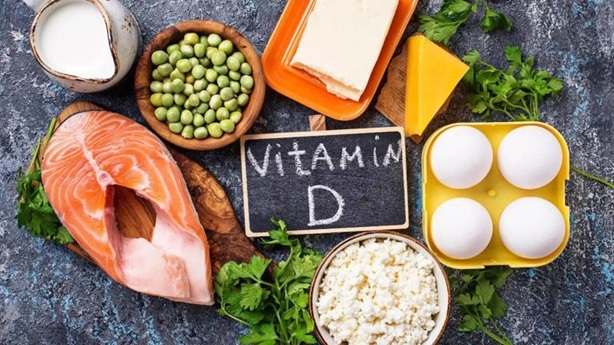
Vitamin D plays a vital role in maintaining strong bones, supporting immune function, and promoting overall well-being. Often called the “sunshine vitamin,” it helps the body absorb calcium efficiently, which is essential for bone density and skeletal strength. However, many people focus only on increasing their vitamin D intake through sunlight exposure or supplements, while overlooking an important factor — certain foods can interfere with how effectively the body absorbs this crucial nutrient. Understanding these dietary influences can help you make smarter nutritional choices and protect your long-term bone health.
Processed and packaged foods often contain excessive amounts of additives, unhealthy fats, and refined sugars. These components can disrupt digestive efficiency and impair nutrient absorption. Regular consumption of ultra-processed snacks, ready-to-eat meals, and sugary beverages may reduce the body’s ability to utilize vitamin D properly. Over time, this can indirectly weaken bone health by limiting calcium absorption. Choosing whole, minimally processed foods such as fresh vegetables, fruits, and lean proteins supports optimal nutrient metabolism.
Caffeine is widely consumed through coffee, tea, and energy drinks. While moderate intake is generally safe, excessive consumption can negatively affect calcium balance in the body. High caffeine intake may increase calcium excretion through urine, reducing the effectiveness of vitamin D in maintaining bone strength. Limiting caffeine to recommended levels and balancing it with adequate hydration and nutrient-rich meals can help preserve bone density and improve vitamin D utilization.
Diets rich in salt — commonly found in fast food, pickles, canned soups, and salty snacks — may interfere with calcium retention. Sodium can increase calcium loss from the body, placing extra pressure on vitamin D to maintain mineral balance. When sodium intake remains consistently high, bones may gradually lose strength. Opting for low-sodium alternatives and seasoning meals with herbs and spices instead of salt can help support better nutrient absorption.
Alcohol can disrupt liver and kidney functions, both of which are essential for activating vitamin D in the body. Chronic or heavy drinking may therefore reduce vitamin D efficiency and impair bone mineralization. In addition, alcohol may interfere with hormonal balance that regulates bone remodeling. Practicing moderation or avoiding alcohol altogether can significantly contribute to healthier bones and improved vitamin D metabolism.
Fiber is essential for digestive health, but extremely high-fiber diets — especially those dominated by bran supplements or unbalanced plant-based intake — can sometimes bind with minerals like calcium, reducing their absorption. Since vitamin D works closely with calcium, this imbalance may indirectly affect bone health. Maintaining a balanced intake of fiber along with adequate healthy fats and proteins ensures better nutrient synergy and overall wellness.
Protecting bone health requires more than simply increasing vitamin D intake; it also involves being mindful of dietary habits that may hinder its absorption. By limiting processed foods, moderating caffeine and sodium intake, reducing alcohol consumption, and maintaining balanced fiber levels, individuals can support more effective nutrient utilization. A holistic approach combining sunlight exposure, nutrient-dense meals, and healthy lifestyle choices can help strengthen bones and promote long-term vitality.
Q1. How can I naturally improve vitamin D absorption?
Spending time in sunlight, consuming healthy fats (like nuts and seeds), and maintaining a balanced diet rich in calcium can enhance vitamin D absorption.
Q2. Does drinking coffee completely block vitamin D absorption?
No, moderate coffee intake does not block absorption entirely. However, excessive caffeine consumption may reduce calcium retention, indirectly affecting bone health.
Q3. Can a high-fiber diet be harmful to bones?
Fiber is beneficial, but extremely high or unbalanced fiber intake without adequate minerals and fats may reduce calcium absorption efficiency.
Q4. Is alcohol always harmful to vitamin D levels?
Occasional moderate consumption may not cause major issues, but chronic or heavy alcohol intake can impair vitamin D activation and bone strength.
Q5. What is the best diet pattern for strong bones?
A balanced diet including leafy greens, dairy or fortified alternatives, healthy fats, lean proteins, and controlled salt and caffeine intake is ideal for maintaining bone health.