English
 Arabic
 French
 Spanish
 Portuguese
 Deutsch
 Turkish
 Dutch
Dutch
 Italiano
 Russian
 Romaian
 Portuguese (Brazil)
 Greek
Greek
 IMS for Investors
 Global News
 Vdo Junction
 Talkfever App
 Upcoming
How to Reset Robinhood Password
Other |
2025-04-22 13:26:11
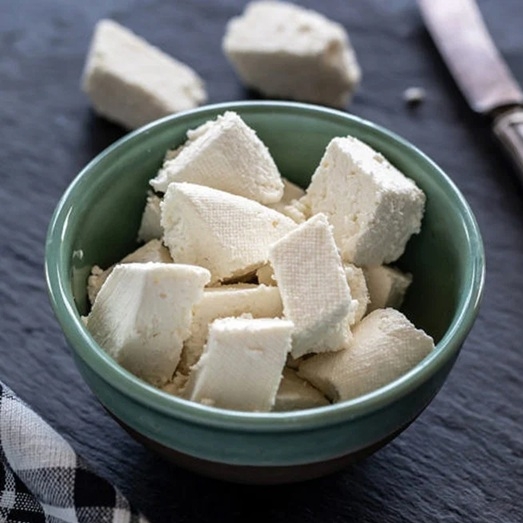
Paneer is one of the most beloved ingredients in Indian cuisine. From rich curries to healthy snacks, this fresh cheese plays a vital role in many dishes. While paneer is easily available in markets, making homemade paneer ensures better freshness, purity, and taste. The good news is that preparing paneer at home is surprisingly simple and requires only a few ingredients.
This guide will help you understand how to make paneer at home, its benefits, and some useful tips to achieve perfect results every time.
Paneer is a fresh, non-aged cheese widely used in South Asian cooking. Unlike many cheeses, paneer does not melt when heated, which makes it ideal for cooking in gravies, grilling, or frying. It is usually made by curdling hot milk with an acidic ingredient such as lemon juice or vinegar and then pressing the curds to form a firm block.
Making paneer at home requires only two main ingredients and about 30 minutes of preparation time.
1 liter full-fat milk
2–3 tablespoons lemon juice or vinegar
Clean muslin cloth or cheesecloth
A strainer
1. Heat the Milk
Pour the milk into a heavy-bottomed pan and bring it to a gentle boil over medium heat. Stir occasionally to prevent the milk from sticking to the bottom.
2. Add the Lemon Juice or Vinegar
Once the milk starts boiling, reduce the heat and slowly add lemon juice or vinegar while stirring. Within seconds, the milk will begin to curdle and separate into white curds and greenish whey.
3. Strain the Curds
Turn off the heat and pour the mixture through a strainer lined with muslin cloth. The cloth will collect the paneer curds while the whey drains away.
4. Rinse the Paneer
Rinse the curds gently under cold water to remove any acidic taste from the lemon or vinegar.
5. Press the Paneer
Gather the cloth and squeeze out excess water. Place a heavy object on top of the wrapped paneer and let it press for 30–60 minutes. This step helps form a firm block.
6. Cut and Use
Once pressed, unwrap the paneer and cut it into cubes. Your fresh homemade paneer is ready to use in various dishes.
Store-bought paneer may contain preservatives or additives. Homemade paneer is completely natural and free from chemicals.
Paneer is an excellent source of protein, making it a great food choice for vegetarians looking to meet their daily protein needs.
Calcium plays an important role in maintaining strong bones and teeth. Paneer provides a healthy amount of calcium derived from milk.
Fresh paneer made at home often tastes softer and creamier than packaged alternatives.
Making paneer at home can be more economical than buying it from stores, especially if you consume it regularly.
Always use full-fat milk for soft and creamy paneer.
Avoid adding too much acid, as it can make the paneer rubbery.
Pressing time determines firmness—shorter pressing gives softer paneer.
Save the leftover whey; it can be used in dough, soups, or smoothies.
Making paneer at home is a simple and rewarding process that guarantees freshness, nutrition, and superior taste. With just milk and a natural acidic ingredient, you can prepare soft and delicious paneer in less than an hour. Once you master the technique, homemade paneer can become a regular part of your cooking routine, adding richness and protein to a variety of meals. Whether used in curries, salads, or grilled dishes, fresh paneer brings both flavor and health benefits to your table.
1. How long can homemade paneer be stored?
Homemade paneer can be stored in the refrigerator for 2–3 days in an airtight container.
2. Can I freeze paneer?
Yes, paneer can be frozen, but freezing may slightly change its texture. It is best consumed fresh.
3. Why is my paneer hard or rubbery?
This usually happens if too much acid is added or if the paneer is pressed for too long.
4. Can I use low-fat milk to make paneer?
You can, but the paneer may be less creamy and yield a smaller quantity.
5. What can I do with leftover whey?
Whey is nutritious and can be used in soups, smoothies, or kneading dough for rotis.