English
 Arabic
 French
 Spanish
 Portuguese
 Deutsch
 Turkish
 Dutch
Dutch
 Italiano
 Russian
 Romaian
 Portuguese (Brazil)
 Greek
Greek
How Social Media Marketing Can Grow Your Business Online
Networking |
2026-08-19 06:37:58
 Social Networth OS
 Creator Commerce
 Launch Startup
 Global News
 Creator Award
 Talkfever App
عرض كل النتائج
Talkfever App
عرض كل النتائج

ترقية الحساب
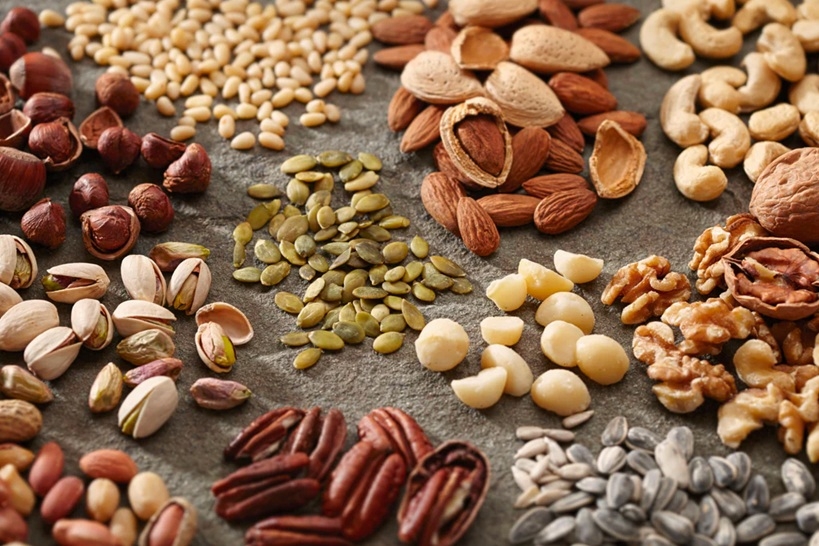
In today’s fast-paced world, many people search for simple and nutritious foods that support long-term health without requiring complicated preparation. Nuts and seeds are among the most powerful natural foods available. Small in size but rich in nutrients, they deliver impressive amounts of protein, fiber, healthy fats, vitamins, and minerals.
These “power bites” are not only convenient snacks but also valuable components of a balanced diet. Including a variety of nuts and seeds in daily meals can help improve digestion, support heart health, maintain energy levels, and contribute to overall wellness.
This article explores which nuts and seeds are rich in protein and fiber, how to include them in your diet, their health benefits, and answers to common questions about consuming them.
Before exploring specific foods, it is helpful to understand why protein and fiber are essential nutrients.
Protein is responsible for building and repairing tissues in the body. It supports muscle growth, hormone production, immune function, and overall cellular health. Foods rich in protein also help keep you feeling full longer, which may reduce unnecessary snacking.
Fiber, on the other hand, is crucial for digestive health. It helps regulate bowel movements, supports gut bacteria, stabilizes blood sugar levels, and can contribute to healthy cholesterol levels.
When foods contain both protein and fiber, they become especially beneficial because they provide sustained energy and improved satiety.
Nuts and seeds naturally contain this powerful combination.
Many varieties of nuts and seeds provide significant nutritional value. Here are some of the most beneficial options.
Almonds are one of the most popular and nutrient-dense nuts. They are rich in plant protein, dietary fiber, vitamin E, magnesium, and antioxidants.
Regular consumption of almonds may support heart health and help manage cholesterol levels. They also promote fullness, making them a great snack for weight management.
Chia seeds are tiny but extremely powerful nutritionally. They are rich in fiber, plant-based protein, omega-3 fatty acids, and important minerals such as calcium and iron.
When soaked in water or milk, chia seeds form a gel-like texture that aids digestion and keeps you feeling satisfied for longer periods.
Pumpkin seeds, also known as pepitas, contain high amounts of protein, fiber, magnesium, zinc, and healthy fats. These nutrients support immune function, heart health, and energy production.
They also contain antioxidants that help protect the body from oxidative stress.
Flaxseeds are known for their fiber content and healthy omega-3 fats. They are widely used in smoothies, cereals, and baked goods.
Ground flaxseeds are easier to digest and allow the body to absorb nutrients more effectively.
Technically legumes but commonly grouped with nuts, peanuts are rich in protein, fiber, and healthy fats. They are widely consumed around the world because of their affordability and high nutritional value.
Peanuts can provide sustained energy and support muscle maintenance.
Walnuts contain protein, fiber, and a large amount of omega-3 fatty acids. These healthy fats are beneficial for brain function and cardiovascular health.
Including walnuts in your diet may support cognitive performance and reduce inflammation.
Sunflower seeds are a good source of protein, fiber, vitamin E, selenium, and magnesium. They contribute to immune support and healthy skin.
These seeds are versatile and can easily be added to salads, yogurt, or snack mixes.
Adding nuts and seeds to meals is simple and does not require complex preparation. Here are some easy and practical ways to incorporate them into your diet.
Sprinkle chia seeds, flaxseeds, or chopped almonds over oatmeal, yogurt, or smoothie bowls. This boosts protein and fiber intake while enhancing texture and flavor.
A tablespoon of chia seeds, flaxseeds, or peanut butter can transform a simple smoothie into a nutrient-dense meal replacement.
A small handful of mixed nuts such as almonds, walnuts, and pumpkin seeds can serve as a satisfying snack between meals.
Sunflower seeds and pumpkin seeds add crunch and nutrition when sprinkled over salads, vegetables, or grain bowls.
Ground flaxseeds, chia seeds, and chopped nuts can be added to bread, muffins, granola, and energy bars.
Almond butter or peanut butter can be spread on whole-grain toast or fruit for a healthy snack.
Regular consumption of nuts and seeds provides a wide range of health advantages.
Many nuts and seeds contain healthy fats, fiber, and antioxidants that help maintain healthy cholesterol levels and support cardiovascular function.
Fiber plays a key role in maintaining a healthy digestive system. Nuts and seeds promote regular bowel movements and support beneficial gut bacteria.
Because they contain both protein and fiber, nuts and seeds increase satiety. This can help reduce overeating and unnecessary calorie intake.
The combination of protein, fiber, and healthy fats helps maintain stable energy levels throughout the day.
Protein is essential for muscle repair and growth. Nuts and seeds offer plant-based protein that contributes to overall strength and recovery.
These foods also contain important vitamins and minerals such as magnesium, zinc, iron, and vitamin E, which support immunity, brain function, and metabolic health.
Although nuts and seeds are highly nutritious, moderation is important because they are calorie-dense.
Here are a few helpful tips:
Aim for a small handful (about 28 grams) per serving.
Choose unsalted and minimally processed varieties when possible.
Store them in airtight containers to maintain freshness.
Rotate different types of nuts and seeds to gain a wider range of nutrients.
Nuts and seeds truly deserve the title of “power bites.” Despite their small size, they provide an impressive combination of protein, fiber, healthy fats, vitamins, and minerals that support multiple aspects of health.
From almonds and walnuts to chia seeds and pumpkin seeds, these nutrient-dense foods can easily be added to meals and snacks throughout the day. Regular consumption may contribute to improved digestion, sustained energy, heart health, and better overall nutrition.
By incorporating a variety of nuts and seeds into your diet, you can take a simple yet powerful step toward achieving optimal health.
Most nutrition experts recommend consuming a small handful (about 28–30 grams) of nuts or seeds per day. This provides health benefits without excessive calorie intake.
Yes. Because they are rich in protein and fiber, nuts and seeds help promote fullness and may reduce unnecessary snacking. However, portion control is important.
Some seeds, such as chia seeds and flaxseeds, are often soaked or ground to improve digestion and nutrient absorption. However, many seeds can also be eaten raw.
Dry-roasted nuts can still be healthy, but it is best to choose varieties without added salt, sugar, or unhealthy oils.
While they provide valuable plant-based protein, nuts and seeds are usually best consumed as part of a balanced diet alongside other protein sources such as legumes, dairy, or whole grains.