English
 Arabic
 French
 Spanish
 Portuguese
 Deutsch
 Turkish
 Dutch
Dutch
 Italiano
 Russian
 Romaian
 Portuguese (Brazil)
 Greek
Greek
Latest News: IoT in Healthcare Market Industry Analysis by Size, Share, Growth, Sourcing Strategy, Scope, Demand and Forecast to 2034
Other |
2025-02-13 06:06:15
 Social Networth OS
 Creator Commerce
 Launch Startup
 Global News
 Creator Award
 Talkfever App
Alle anzeigen
Talkfever App
Alle anzeigen

Upgrade auf Pro
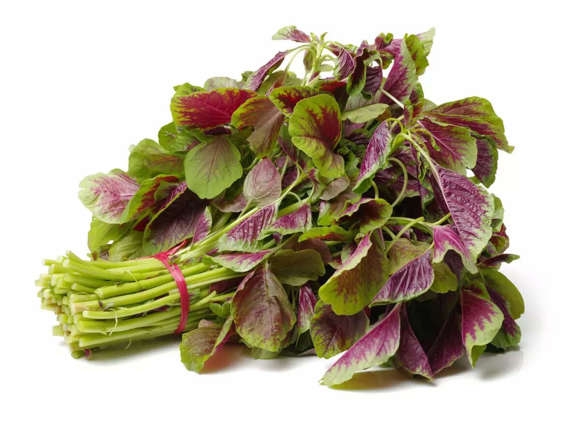
In the modern age of health-conscious living, protein is no longer seen as the exclusive domain of animal-based foods. Plant-based protein sources have risen to prominence for their nutritional richness, digestive ease, and long-term health benefits. They support muscle repair, energy production, and immune resilience while aligning with sustainable and ethical food choices.
Moving beyond commonly used dairy proteins such as paneer, there exists a diverse kingdom of plant proteins that can strengthen the body and nourish the mind. This article explores seven regal plant-based protein sources, how to use them effectively, their benefits, and how they contribute to everyday strength.
Lentils (Dal and Pulses)
Lentils are a nutritional cornerstone in many traditional diets. They are rich in protein, iron, and complex carbohydrates that provide steady energy.
Chickpeas (Chana)
Chickpeas offer a dense protein profile along with fiber and essential minerals. They help promote fullness and stable blood sugar levels.
Quinoa
Often referred to as a complete protein, quinoa contains all nine essential amino acids and serves as an excellent grain alternative.
Tofu and Tempeh (Soy-Based Proteins)
Derived from soybeans, tofu and tempeh are versatile protein-rich foods with high calcium and iron content.
Nuts and Seeds (Almonds, Pumpkin Seeds, Chia Seeds)
These small but powerful foods provide protein along with healthy fats and antioxidants.
Green Peas
Green peas are an underrated protein source that also supports digestion and muscle repair.
Spirulina and Other Plant Protein Powders
Spirulina and pea protein powders offer concentrated protein for people with higher daily requirements.
Plant proteins can be easily incorporated into everyday diets without sacrificing taste or variety.
Lentils and chickpeas can be used in soups, curries, stews, and salads. Quinoa works well as a rice substitute or breakfast porridge. Tofu and tempeh absorb flavors beautifully and can be grilled, sautéed, or blended into smoothies. Nuts and seeds can be sprinkled over cereals, added to yogurt alternatives, or consumed as snacks. Green peas can be mixed into vegetable dishes or blended into spreads. Spirulina or plant protein powders can be added to smoothies or energy bars.
For optimal nutrition, combining different plant proteins ensures a full amino acid profile. Pairing lentils with rice, or chickpeas with whole grains, enhances protein quality and digestibility.
Plant proteins release energy gradually, helping prevent spikes and crashes in blood sugar. This makes them ideal for long workdays and active lifestyles. They also assist in muscle maintenance and repair when consumed regularly.
Unlike many animal-based proteins, plant proteins are low in saturated fat and cholesterol. They contribute to healthy blood pressure and improved circulation.
The natural fiber in plant proteins supports gut health and prevents constipation. It also nurtures beneficial gut bacteria, which plays a role in immunity and mood regulation.
High-protein plant foods increase satiety and reduce overeating. Their lower calorie density helps in maintaining a healthy weight without nutritional compromise.
Soy-based proteins and legumes provide phytonutrients that help regulate metabolic functions and support hormonal balance, particularly beneficial for women.
Nutrients such as zinc, magnesium, and antioxidants found in plant proteins enhance immune response and reduce inflammation.
Plant-based protein sources require fewer natural resources than animal farming. Choosing them supports ecological balance and responsible consumption.
Protein is the foundation of strength, resilience, and recovery, and it need not come solely from animal or dairy sources. The seven regal plant proteins—lentils, chickpeas, quinoa, tofu and tempeh, nuts and seeds, green peas, and spirulina—offer a powerful and balanced approach to daily nutrition.
By integrating these foods into meals, individuals can achieve sustained energy, improved digestion, stronger muscles, and better long-term health. These plant proteins form a crown of nourishment that aligns physical vitality with mindful living. Their versatility, affordability, and nutritional excellence make them worthy of a place at every table.
Q1. Can plant proteins fully replace animal protein?
Yes, when consumed in a balanced and varied manner, plant proteins can meet daily protein needs and provide essential amino acids.
Q2. Are plant proteins suitable for athletes?
Absolutely. With proper portion sizes and food combinations, plant proteins support muscle recovery and endurance effectively.
Q3. How much plant protein should an adult consume daily?
Protein needs vary by body weight and activity level, but a balanced intake from multiple plant sources ensures adequate supply.
Q4. Is soy protein safe for daily consumption?
Moderate intake of natural soy foods such as tofu and tempeh is considered safe and beneficial for most individuals.
Q5. Do plant proteins cause bloating?
Some legumes may cause mild bloating initially. Soaking and cooking them properly improves digestion and tolerance.
Q6. Which plant protein is best for quick energy?
Quinoa and green peas provide quick yet stable energy due to their balanced carbohydrate and protein content.
Q7. Can plant protein help with weight loss?
Yes. High fiber and protein levels promote fullness and reduce calorie intake naturally.