• Devin Booker 💰


    ▪ One of the NBA's premier scorers.
    ▪ Salary exceeds $53 million.
    ▪ Franchise cornerstone for Phoenix.
    ▪ Multiple All-Star appearances.
    ▪ Elite shooting and offensive creativity.
    ▪ Significant commercial appeal.
    ▪ Viewed as a future MVP candidate.


    #DevinBooker, #PhoenixSuns, #NBAStar, #Scorer, #Basketball, #AllStar, #Suns
    Devin Booker 💰 ▪ One of the NBA's premier scorers. ▪ Salary exceeds $53 million. ▪ Franchise cornerstone for Phoenix. ▪ Multiple All-Star appearances. ▪ Elite shooting and offensive creativity. ▪ Significant commercial appeal. ▪ Viewed as a future MVP candidate. #DevinBooker, #PhoenixSuns, #NBAStar, #Scorer, #Basketball, #AllStar, #Suns
    ·1K Views ·0 Anteprima
  • Karl-Anthony Towns 💰


    ▪ One of the best shooting big men ever.
    ▪ Salary surpasses $53 million annually.
    ▪ Elite offensive versatility.
    ▪ Strong rebounder and floor spacer.
    ▪ Key figure in New York's resurgence.
    ▪ Valuable due to modern center skill set.
    ▪ Continues to produce All-Star level performances.


    #KarlAnthonyTowns, #Knicks, #NBAStar, #Center, #Basketball, #AllStar, #NewYork
    Karl-Anthony Towns 💰 ▪ One of the best shooting big men ever. ▪ Salary surpasses $53 million annually. ▪ Elite offensive versatility. ▪ Strong rebounder and floor spacer. ▪ Key figure in New York's resurgence. ▪ Valuable due to modern center skill set. ▪ Continues to produce All-Star level performances. #KarlAnthonyTowns, #Knicks, #NBAStar, #Center, #Basketball, #AllStar, #NewYork
    ·740 Views ·0 Anteprima
  • Kevin Durant 💰


    ▪ One of the greatest scorers ever.
    ▪ Salary exceeds $54 million per season.
    ▪ Two-time NBA Champion and Finals MVP.
    ▪ Exceptional shooting efficiency across all areas of the floor.
    ▪ Massive global fan base and endorsement portfolio.
    ▪ Continues to perform at an elite level despite veteran status.
    ▪ Considered among basketball's most valuable assets.


    #KevinDurant, #HoustonRockets, #ScoringMachine, #NBAStar, #Champion, #KD, #Basketball
    Kevin Durant 💰 ▪ One of the greatest scorers ever. ▪ Salary exceeds $54 million per season. ▪ Two-time NBA Champion and Finals MVP. ▪ Exceptional shooting efficiency across all areas of the floor. ▪ Massive global fan base and endorsement portfolio. ▪ Continues to perform at an elite level despite veteran status. ▪ Considered among basketball's most valuable assets. #KevinDurant, #HoustonRockets, #ScoringMachine, #NBAStar, #Champion, #KD, #Basketball
    ·805 Views ·0 Anteprima
  • Stephen Curry 💰


    ▪ Highest-paid NBA player with a salary approaching $60 million per season.
    ▪ Revolutionized basketball through elite three-point shooting and offensive efficiency.
    ▪ Four-time NBA Champion and two-time MVP.
    ▪ Generates enormous commercial value through endorsements and brand partnerships.
    ▪ Considered one of the most marketable athletes globally.
    ▪ Continues to drive franchise revenues, merchandise sales, and television ratings.
    ▪ His leadership and championship pedigree justify one of the largest contracts in professional sports history.


    #StephenCurry, #NBA, #GoldenStateWarriors, #HighestPaidPlayer, #BasketballLegend, #MVP, #Champion
    Stephen Curry 💰 ▪ Highest-paid NBA player with a salary approaching $60 million per season. ▪ Revolutionized basketball through elite three-point shooting and offensive efficiency. ▪ Four-time NBA Champion and two-time MVP. ▪ Generates enormous commercial value through endorsements and brand partnerships. ▪ Considered one of the most marketable athletes globally. ▪ Continues to drive franchise revenues, merchandise sales, and television ratings. ▪ His leadership and championship pedigree justify one of the largest contracts in professional sports history. #StephenCurry, #NBA, #GoldenStateWarriors, #HighestPaidPlayer, #BasketballLegend, #MVP, #Champion
    ·764 Views ·0 Anteprima
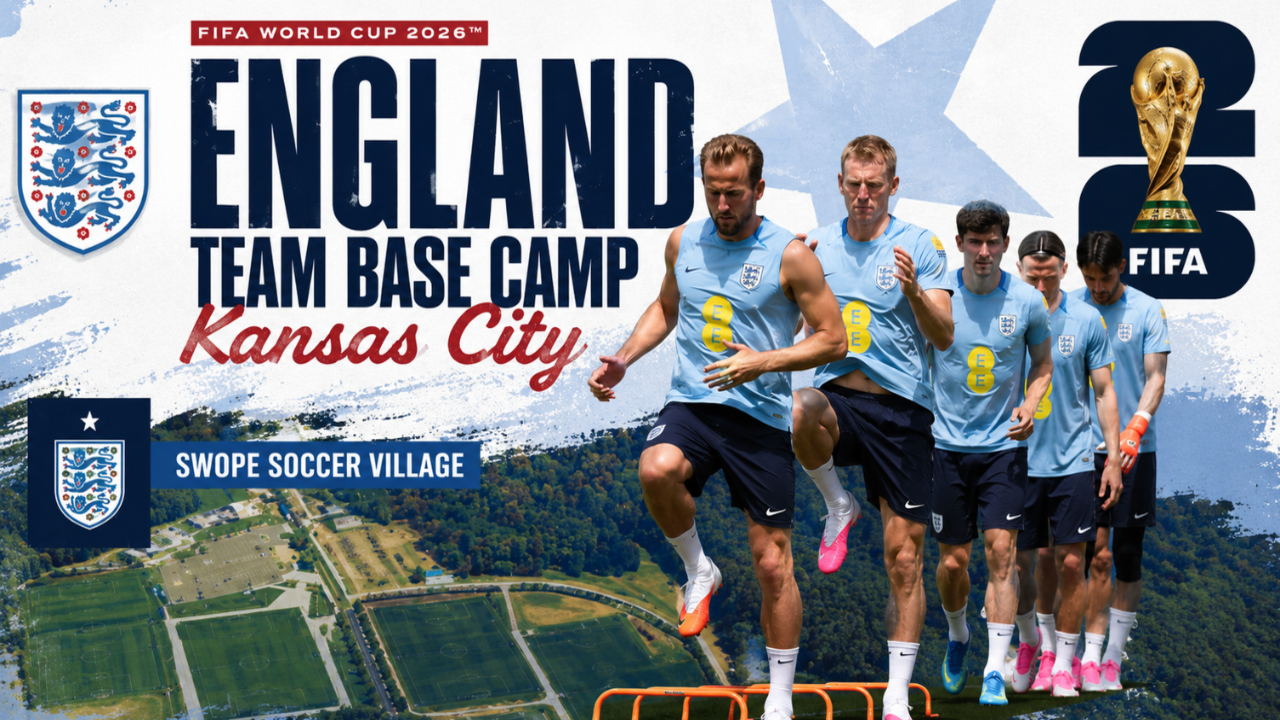
  • https://globaltalk.talkfever.com/story/fifa-world-cup-2026-mass-shooting-near-englands-kansas-city-base-camp-leaves-9-injured-ahe-439252914
    https://globaltalk.talkfever.com/story/fifa-world-cup-2026-mass-shooting-near-englands-kansas-city-base-camp-leaves-9-injured-ahe-439252914
    GLOBALTALK.TALKFEVER.COM
    FIFA World Cup 2026: Mass shooting near England's Kansas City base camp leaves 9 injured ahead of team arrival
    A mass shooting in Kansas City has left nine people injured just days before England are due to arrive in the city for the 2026 FIFA World Cup, prompting renewe
    ·381 Views ·0 Anteprima
  • Shot Blocking


    Shot blocking is a courageous defensive skill that prevents scoring chances and protects the goaltender. Players position their bodies strategically to intercept shots before they reach the net. Effective shot blockers read shooting lanes quickly and react without hesitation. Proper technique includes lowering the body, keeping balance, and using equipment safely to absorb impact. Shot blocking requires bravery, timing, and strong defensive awareness. Coaches teach players to angle themselves properly while minimizing injury risk.


    Defensemen frequently use this skill during penalty kills and late-game defensive situations. Successful shot blocks can disrupt offensive momentum and energize teammates. Players also learn when not to overcommit because reckless blocking attempts may create dangerous rebounds or missed coverage assignments. Strong shot blockers sacrifice personal comfort for team success and defensive stability. Conditioning and protective gear play important roles in maintaining confidence during shot-blocking situations.


    Teams highly respect players willing to make physical sacrifices to prevent goals. Consistent shot blocking reflects commitment, toughness, and defensive responsibility. It remains one of hockey’s most respected defensive contributions at every competitive level.


    #ShotBlocking #DefenseFirst #IceHockey #PenaltyKill #DefensiveSkills #HockeyToughness #TeamDefense #ShotBlocker #HockeyWarrior #NHLDefense
    Shot Blocking Shot blocking is a courageous defensive skill that prevents scoring chances and protects the goaltender. Players position their bodies strategically to intercept shots before they reach the net. Effective shot blockers read shooting lanes quickly and react without hesitation. Proper technique includes lowering the body, keeping balance, and using equipment safely to absorb impact. Shot blocking requires bravery, timing, and strong defensive awareness. Coaches teach players to angle themselves properly while minimizing injury risk. Defensemen frequently use this skill during penalty kills and late-game defensive situations. Successful shot blocks can disrupt offensive momentum and energize teammates. Players also learn when not to overcommit because reckless blocking attempts may create dangerous rebounds or missed coverage assignments. Strong shot blockers sacrifice personal comfort for team success and defensive stability. Conditioning and protective gear play important roles in maintaining confidence during shot-blocking situations. Teams highly respect players willing to make physical sacrifices to prevent goals. Consistent shot blocking reflects commitment, toughness, and defensive responsibility. It remains one of hockey’s most respected defensive contributions at every competitive level. #ShotBlocking #DefenseFirst #IceHockey #PenaltyKill #DefensiveSkills #HockeyToughness #TeamDefense #ShotBlocker #HockeyWarrior #NHLDefense
    ·461 Views ·0 Anteprima
  • Puck Protection


    Puck protection is the ability to maintain possession while under pressure from defenders. Skilled hockey players use body positioning, stick placement, and skating angles to shield the puck effectively. Strong puck protection allows teams to sustain offensive pressure and reduce turnovers. Players often use their hips, shoulders, and legs to keep opponents away from the puck while maintaining balance.


    Effective puck protection requires strength, edge control, and awareness of surrounding space. Coaches teach players to keep the puck on the outside away from defenders while using quick turns and acceleration to escape pressure. This skill is particularly important along the boards and during offensive-zone cycling. Elite players can hold possession even against aggressive physical defense.


    Puck protection creates time and space for passing opportunities, shooting chances, and line changes. It also improves confidence under pressure because players feel more comfortable handling contact situations. Strength training and balance exercises contribute significantly to effective puck protection. Teams rely heavily on players who can control possession during critical moments and maintain offensive momentum. Developing this skill improves overall offensive consistency and game management.


    #PuckProtection #IceHockey #PossessionGame #HockeyStrength #BoardBattle #HockeySkills #OffensiveControl #NHLTraining #PuckHandling #CompetitiveHockey
    Puck Protection Puck protection is the ability to maintain possession while under pressure from defenders. Skilled hockey players use body positioning, stick placement, and skating angles to shield the puck effectively. Strong puck protection allows teams to sustain offensive pressure and reduce turnovers. Players often use their hips, shoulders, and legs to keep opponents away from the puck while maintaining balance. Effective puck protection requires strength, edge control, and awareness of surrounding space. Coaches teach players to keep the puck on the outside away from defenders while using quick turns and acceleration to escape pressure. This skill is particularly important along the boards and during offensive-zone cycling. Elite players can hold possession even against aggressive physical defense. Puck protection creates time and space for passing opportunities, shooting chances, and line changes. It also improves confidence under pressure because players feel more comfortable handling contact situations. Strength training and balance exercises contribute significantly to effective puck protection. Teams rely heavily on players who can control possession during critical moments and maintain offensive momentum. Developing this skill improves overall offensive consistency and game management. #PuckProtection #IceHockey #PossessionGame #HockeyStrength #BoardBattle #HockeySkills #OffensiveControl #NHLTraining #PuckHandling #CompetitiveHockey
    ·388 Views ·0 Anteprima
  • Defensive Positioning


    Defensive positioning is one of the most important skills for preventing scoring opportunities and maintaining team structure. Strong positioning allows players to block passing lanes, force opponents into low-danger areas, and support teammates effectively. Defensemen and forwards alike must understand gap control, angling, and spatial awareness.


    Elite defenders read offensive patterns quickly and anticipate puck movement before plays develop. Proper body positioning helps separate opponents from the puck without taking penalties. Players also use stick placement to disrupt passing lanes and limit shooting opportunities. Effective positioning requires discipline, communication, and strong skating fundamentals. Coaches emphasize defensive zone coverage, neutral-zone structure, and transition awareness during training. Players who maintain good positioning reduce defensive breakdowns and improve team stability.


    Strong defenders stay patient instead of chasing the puck unnecessarily. They force attackers into predictable decisions and protect the front of the net. Defensive positioning also supports successful penalty killing and late-game protection strategies. Hockey teams rely heavily on disciplined defensive players to maintain consistency and control momentum. Developing this skill improves overall game intelligence and makes players more reliable in high-pressure situations.


    #DefensiveSkills #IceHockey #Defenseman #GapControl #HockeyIQ #Positioning #PenaltyKill #TeamDefense #HockeyTraining #DefensiveZone
    Defensive Positioning Defensive positioning is one of the most important skills for preventing scoring opportunities and maintaining team structure. Strong positioning allows players to block passing lanes, force opponents into low-danger areas, and support teammates effectively. Defensemen and forwards alike must understand gap control, angling, and spatial awareness. Elite defenders read offensive patterns quickly and anticipate puck movement before plays develop. Proper body positioning helps separate opponents from the puck without taking penalties. Players also use stick placement to disrupt passing lanes and limit shooting opportunities. Effective positioning requires discipline, communication, and strong skating fundamentals. Coaches emphasize defensive zone coverage, neutral-zone structure, and transition awareness during training. Players who maintain good positioning reduce defensive breakdowns and improve team stability. Strong defenders stay patient instead of chasing the puck unnecessarily. They force attackers into predictable decisions and protect the front of the net. Defensive positioning also supports successful penalty killing and late-game protection strategies. Hockey teams rely heavily on disciplined defensive players to maintain consistency and control momentum. Developing this skill improves overall game intelligence and makes players more reliable in high-pressure situations. #DefensiveSkills #IceHockey #Defenseman #GapControl #HockeyIQ #Positioning #PenaltyKill #TeamDefense #HockeyTraining #DefensiveZone
    ·179 Views ·0 Anteprima
  • Accurate Shooting


    Shooting accuracy is a critical offensive skill that separates average players from elite goal scorers in men’s ice hockey. Players must consistently place shots with precision while reacting quickly under defensive pressure. Wrist shots, slap shots, snap shots, and backhand shots all require different mechanics and timing. Accuracy depends on hand positioning, weight transfer, stick flex, and follow-through technique.


    Skilled shooters aim for high-percentage scoring areas such as corners, five-hole openings, or rebounds created near the crease. Elite scorers can release the puck quickly without sacrificing precision, making it difficult for goaltenders to react. Shooting drills often involve target practice, quick-release repetitions, shooting in motion, and scoring from multiple angles. Players also learn how to disguise shot intentions to deceive defenders and goalies. Accuracy becomes even more important during power plays and close games where limited scoring opportunities exist.


    Consistent shooting practice develops muscle memory, confidence, and offensive instincts. Great shooters combine vision, timing, and puck placement to maximize scoring efficiency. Teams highly value players who can finish chances reliably because accurate shooting directly impacts offensive production and game outcomes.


    #HockeyShooting #GoalScorer #IceHockey #WristShot #SlapShot #SnapShot #ShootingAccuracy #HockeySkills #Offense #NHLGoals
    Accurate Shooting Shooting accuracy is a critical offensive skill that separates average players from elite goal scorers in men’s ice hockey. Players must consistently place shots with precision while reacting quickly under defensive pressure. Wrist shots, slap shots, snap shots, and backhand shots all require different mechanics and timing. Accuracy depends on hand positioning, weight transfer, stick flex, and follow-through technique. Skilled shooters aim for high-percentage scoring areas such as corners, five-hole openings, or rebounds created near the crease. Elite scorers can release the puck quickly without sacrificing precision, making it difficult for goaltenders to react. Shooting drills often involve target practice, quick-release repetitions, shooting in motion, and scoring from multiple angles. Players also learn how to disguise shot intentions to deceive defenders and goalies. Accuracy becomes even more important during power plays and close games where limited scoring opportunities exist. Consistent shooting practice develops muscle memory, confidence, and offensive instincts. Great shooters combine vision, timing, and puck placement to maximize scoring efficiency. Teams highly value players who can finish chances reliably because accurate shooting directly impacts offensive production and game outcomes. #HockeyShooting #GoalScorer #IceHockey #WristShot #SlapShot #SnapShot #ShootingAccuracy #HockeySkills #Offense #NHLGoals
    ·177 Views ·0 Anteprima
  • Stickhandling Control


    Stickhandling is the art of controlling the puck with precision, creativity, and confidence under pressure. Elite players use quick hands, soft touch, and excellent hand-eye coordination to maneuver around defenders and maintain possession in tight spaces. Effective stickhandling involves puck protection, body positioning, and rapid decision-making while skating at high speed. Skilled players constantly keep their heads up to read the ice while controlling the puck without looking down. This awareness helps create passing lanes, shooting opportunities, and offensive plays. Training includes cone drills, obstacle courses, one-handed control exercises, and reaction-based puck handling routines.


    Strong stickhandlers can deke defenders, escape pressure along the boards, and maintain possession during physical contact. Proper hand placement and stick flexibility also influence puck control efficiency. Great stickhandling is especially valuable during power plays, breakaways, and one-on-one situations. Modern hockey emphasizes quick puck movement and dynamic offensive creativity, making stickhandling a crucial ability for forwards and defensemen alike. Consistent practice improves coordination, confidence, and puck awareness. Players who master stickhandling become dangerous offensive threats capable of changing the momentum of a game with a single move.


    #Stickhandling #PuckControl #IceHockey #HockeyTraining #Deking #HockeyHands #SkillDevelopment #OffensiveSkills #NHLPlayer #HockeyPractice
    Stickhandling Control Stickhandling is the art of controlling the puck with precision, creativity, and confidence under pressure. Elite players use quick hands, soft touch, and excellent hand-eye coordination to maneuver around defenders and maintain possession in tight spaces. Effective stickhandling involves puck protection, body positioning, and rapid decision-making while skating at high speed. Skilled players constantly keep their heads up to read the ice while controlling the puck without looking down. This awareness helps create passing lanes, shooting opportunities, and offensive plays. Training includes cone drills, obstacle courses, one-handed control exercises, and reaction-based puck handling routines. Strong stickhandlers can deke defenders, escape pressure along the boards, and maintain possession during physical contact. Proper hand placement and stick flexibility also influence puck control efficiency. Great stickhandling is especially valuable during power plays, breakaways, and one-on-one situations. Modern hockey emphasizes quick puck movement and dynamic offensive creativity, making stickhandling a crucial ability for forwards and defensemen alike. Consistent practice improves coordination, confidence, and puck awareness. Players who master stickhandling become dangerous offensive threats capable of changing the momentum of a game with a single move. #Stickhandling #PuckControl #IceHockey #HockeyTraining #Deking #HockeyHands #SkillDevelopment #OffensiveSkills #NHLPlayer #HockeyPractice
    ·98 Views ·0 Anteprima
  • Physical Conditioning and Endurance


    Women ice hockey players need excellent conditioning because the sport requires speed, strength, and stamina. Off-ice training should include cardio workouts, interval sprints, strength exercises, and flexibility routines. Hockey shifts are intense and physically demanding, so endurance is critical for maintaining performance throughout games.


    Lower-body strength improves skating power and stability. Core exercises help with balance, shooting, and contact situations. Proper nutrition and hydration also support athletic recovery and performance. Women athletes should include recovery days and stretching routines to prevent injuries. Conditioning drills on the ice improve game-specific stamina and movement efficiency. Strong fitness levels allow players to skate harder and recover faster between shifts.


    Mental toughness also improves through demanding physical training. Consistency is more important than extreme workouts. Athletes who maintain conditioning throughout the season often perform better during important matches. Physical preparation creates confidence, durability, and competitive advantage in women’s hockey.


    #HockeyConditioning, #WomenAthletes, #IceHockeyFitness, #StrengthTraining, #EnduranceTraining, #WomenHockey, #AthletePerformance, #SportsConditioning
    Physical Conditioning and Endurance Women ice hockey players need excellent conditioning because the sport requires speed, strength, and stamina. Off-ice training should include cardio workouts, interval sprints, strength exercises, and flexibility routines. Hockey shifts are intense and physically demanding, so endurance is critical for maintaining performance throughout games. Lower-body strength improves skating power and stability. Core exercises help with balance, shooting, and contact situations. Proper nutrition and hydration also support athletic recovery and performance. Women athletes should include recovery days and stretching routines to prevent injuries. Conditioning drills on the ice improve game-specific stamina and movement efficiency. Strong fitness levels allow players to skate harder and recover faster between shifts. Mental toughness also improves through demanding physical training. Consistency is more important than extreme workouts. Athletes who maintain conditioning throughout the season often perform better during important matches. Physical preparation creates confidence, durability, and competitive advantage in women’s hockey. #HockeyConditioning, #WomenAthletes, #IceHockeyFitness, #StrengthTraining, #EnduranceTraining, #WomenHockey, #AthletePerformance, #SportsConditioning
    ·448 Views ·0 Anteprima
  • Shooting Accuracy and Power.


    Shooting is a major offensive skill in women’s ice hockey. Players should learn wrist shots, slap shots, snap shots, and backhand shots. Accuracy is often more important than raw power because precise shots beat goalies consistently. Practice aiming for corners of the net and shooting while moving.


    Strong shooting mechanics begin with proper weight transfer from the back leg to the front leg. Use flex in the hockey stick to generate additional power. Women hockey players should train upper-body and core strength to improve shot speed. Quick releases are important because defenders often block shooting lanes rapidly. Shooting drills from different angles improve adaptability during games.


    Repetition develops confidence and muscle memory. Goal scorers also learn how to disguise shots to confuse goalies. Consistent shooting practice increases offensive productivity and scoring opportunities. Focus on technique first before trying to shoot harder. Great shooters combine speed, control, timing, and precision under pressure situations.


    #HockeyShooting, #WomenIceHockey, #GoalScoring, #ShotAccuracy, #HockeyPractice, #IceHockeyTraining, #AthleteSkills, #WomenSports
    Shooting Accuracy and Power. Shooting is a major offensive skill in women’s ice hockey. Players should learn wrist shots, slap shots, snap shots, and backhand shots. Accuracy is often more important than raw power because precise shots beat goalies consistently. Practice aiming for corners of the net and shooting while moving. Strong shooting mechanics begin with proper weight transfer from the back leg to the front leg. Use flex in the hockey stick to generate additional power. Women hockey players should train upper-body and core strength to improve shot speed. Quick releases are important because defenders often block shooting lanes rapidly. Shooting drills from different angles improve adaptability during games. Repetition develops confidence and muscle memory. Goal scorers also learn how to disguise shots to confuse goalies. Consistent shooting practice increases offensive productivity and scoring opportunities. Focus on technique first before trying to shoot harder. Great shooters combine speed, control, timing, and precision under pressure situations. #HockeyShooting, #WomenIceHockey, #GoalScoring, #ShotAccuracy, #HockeyPractice, #IceHockeyTraining, #AthleteSkills, #WomenSports
    ·299 Views ·0 Anteprima
Pagine in Evidenza
Talkfever - Growing worldwide https://talkfever.com/