


 IMS for Investors
 Global News
 Vdo Junction
 Talkfever App
 Upcoming
Marine Noise Insulation Materials, Methods & Applications
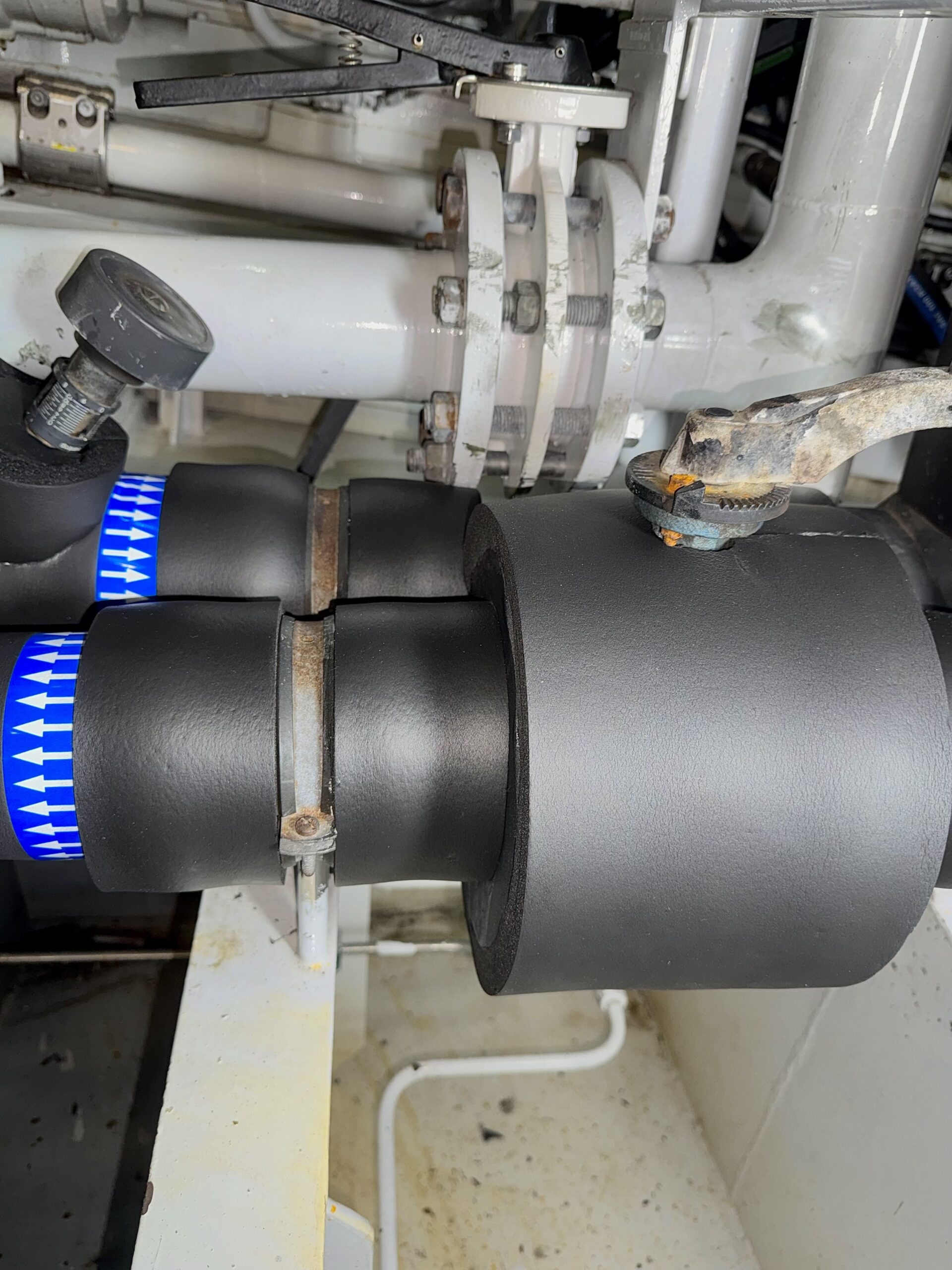
Every vessel operates within an environment where machinery vibration, propulsion systems, wave interaction, and onboard equipment continuously generate acoustic energy. Marine Noise Insulation plays a significant role in minimizing unwanted sound transmission while improving onboard comfort, operational efficiency, and equipment longevity. Modern Marine soundproofing solutions are engineered to reduce airborne and structure-borne noise without compromising vessel performance. Whether applied in commercial ships, offshore platforms, naval fleets, ferries, or luxury yachts, advanced insulation systems contribute to quieter interiors, regulatory compliance, and enhanced crew wellbeing.
Understanding Marine Noise Insulation
Marine environments present acoustic challenges unlike those encountered in terrestrial structures. Continuous engine activity, hydraulic machinery, ventilation equipment, generators, compressors, and propeller cavitation produce complex sound frequencies that travel through steel, aluminum, and composite structures.
Marine Noise Insulation refers to specialized acoustic systems developed to absorb, block, dampen, or isolate these sound waves before they spread throughout a vessel. Unlike conventional construction insulation, marine-grade acoustic products must tolerate humidity, vibration, saltwater exposure, temperature variation, and strict fire safety standards.
Proper Marine soundproofing combines multiple engineering techniques rather than relying on a single material. The objective is not only sound reduction but also vibration control, structural durability, and passenger comfort.
Why Noise Control Matters at Sea
Noise affects far more than onboard comfort. Excessive acoustic exposure may contribute to crew fatigue, communication difficulties, operational errors, and accelerated equipment wear. International maritime organizations also enforce occupational noise limits for safer working conditions.
Effective Marine Noise Insulation delivers several advantages:
- Reduced machinery noise
- Improved passenger experience
- Better sleeping conditions
- Enhanced workplace concentration
- Lower vibration transfer
- Protection of sensitive navigation equipment
- Compliance with maritime acoustic standards
- Increased vessel value
Professional Marine soundproofing also helps maintain a more refined atmosphere in cruise vessels and luxury yachts where premium comfort is expected.
Core Materials Used in Marine Noise Insulation
Selecting appropriate materials depends upon frequency range, installation location, vessel type, and structural configuration.
Acoustic Mineral Wool
Mineral wool remains one of the most dependable materials used in Marine Noise Insulation because of its excellent sound absorption and thermal resistance.
Its characteristics include:
- High-density fiber composition
- Fire-resistant construction
- Moisture tolerance
- Excellent mid-frequency absorption
- Long operational lifespan
Engine rooms, accommodation decks, and machinery compartments commonly incorporate mineral wool panels.
Mass Loaded Vinyl (MLV)
Mass Loaded Vinyl functions as a flexible sound barrier capable of blocking airborne noise transmission.
Its benefits include:
- High acoustic density
- Flexible installation
- Thin profile
- Corrosion resistance
- Effective sound blocking
Many Marine soundproofing assemblies combine MLV with absorptive layers for superior performance.
Acoustic Foam Panels
Marine acoustic foam reduces reflected sound by absorbing airborne noise inside enclosed spaces.
Typical installation areas include:
- Wheelhouses
- Control rooms
- Crew cabins
- Conference facilities
- Entertainment lounges
These engineered foams improve speech clarity while minimizing reverberation.
Composite Sandwich Panels
Composite acoustic panels integrate several layers into one engineered solution.
These assemblies often include:
- Barrier membrane
- Absorptive insulation
- Vibration-damping layer
- Protective facing
- Fire-rated surface
Such systems simplify installation while delivering excellent Marine Noise Insulation performance.
Advanced Marine Soundproofing Methods
Successful acoustic control relies on strategic installation practices in addition to premium materials.
Floating Floor Systems
Floating floors isolate vibration before it travels into occupied spaces.
This technique utilizes resilient mounts positioned beneath flooring assemblies to interrupt structural sound transmission.
Floating floors are frequently installed in:
- Passenger cabins
- Accommodation blocks
- Control stations
- Luxury suites
Resilient Mounting Systems
Heavy machinery generates continuous vibration.
Resilient mounts reduce vibration transfer by separating engines, compressors, generators, and pumps from the surrounding vessel structure.
This method significantly enhances Marine soundproofing efficiency throughout machinery spaces.
Acoustic Enclosures
Critical equipment can be enclosed within specially designed acoustic housings.
These enclosures combine:
- Dense barriers
- Absorptive lining
- Ventilation silencers
- Sealed access doors
Acoustic enclosures substantially decrease machinery noise while preserving maintenance accessibility.
Pipe and Duct Isolation
Noise frequently propagates through ventilation ducts and piping networks.
Specialized wraps, lagging materials, flexible connectors, and vibration isolators minimize sound migration between compartments.
Proper duct treatment greatly improves overall Marine Noise Insulation effectiveness.
Key Applications Across the Maritime Industry
Different vessel categories require customized acoustic engineering solutions.
Commercial Cargo Ships
Large cargo vessels operate continuously for extended voyages.
Marine Noise Insulation improves:
- Crew accommodations
- Engine control rooms
- Machinery compartments
- Bridge operations
- Maintenance workshops
Lower onboard noise supports safer navigation and improved workforce productivity.
Cruise Ships
Passenger satisfaction represents a primary objective aboard cruise liners.
Luxury accommodations rely heavily on Marine soundproofing to create peaceful environments despite complex onboard mechanical systems.
Acoustic treatment extends throughout:
- Guest cabins
- Restaurants
- Theaters
- Wellness facilities
- Reception areas
Naval Vessels
Military vessels require acoustic management for operational readiness.
Noise reduction contributes to:
- Equipment reliability
- Crew efficiency
- Communication clarity
- Mission effectiveness
- Reduced internal acoustic signatures
High-performance Marine Noise Insulation systems support demanding naval operations worldwide.
Offshore Platforms
Offshore installations house powerful industrial machinery operating around the clock.
Acoustic insulation protects workers from prolonged exposure while maintaining safer working environments.
Areas receiving specialized treatment include:
- Generator rooms
- Pump stations
- Compressor modules
- Living quarters
- Emergency shelters
Luxury Yachts
Premium yacht construction emphasizes tranquility alongside elegant interior design.
Customized Marine soundproofing integrates decorative finishes with concealed acoustic systems, preserving aesthetics without sacrificing performance.
Important Design Considerations
Every successful acoustic project begins with comprehensive engineering analysis.
Designers evaluate:
- Noise source location
- Frequency spectrum
- Structural vibration paths
- Material compatibility
- Fire classification
- Moisture resistance
- Installation accessibility
- Weight limitations
- Maintenance requirements
An optimized Marine Noise Insulation strategy balances acoustic efficiency with vessel stability and operational practicality.
Regulatory Compliance
International maritime regulations establish maximum occupational noise exposure levels for crew members.
Compliance often requires:
- Certified insulation products
- Fire-tested materials
- Acoustic performance verification
- Documentation
- Periodic inspections
Proper Marine soundproofing assists vessel operators in meeting these evolving industry expectations.
Emerging Innovations in Marine Acoustic Technology
Modern acoustic engineering continues advancing through material science and digital simulation.
Recent developments include:
- Nanofiber acoustic composites
- Lightweight multilayer barriers
- Recyclable insulation products
- Smart vibration monitoring
- Eco-friendly acoustic panels
- High-performance damping polymers
These innovations enable superior Marine Noise Insulation without significantly increasing vessel weight.
Digital modeling also allows engineers to predict sound transmission before construction begins, reducing costly modifications later.
Maintenance for Long-Term Performance
Even premium insulation systems require routine inspection.
Maintenance activities include:
- Examining protective coverings
- Replacing damaged acoustic panels
- Inspecting resilient mounts
- Checking moisture intrusion
- Verifying fastening integrity
- Cleaning ventilation silencers
Preventive maintenance preserves Marine soundproofing efficiency throughout the vessel's operational lifecycle.
Conclusion
Acoustic engineering has become an indispensable component of modern maritime design. By combining advanced insulation materials, vibration isolation technologies, engineered installation methods, and regulatory compliance, vessel owners can achieve quieter operations, greater passenger satisfaction, improved crew welfare, and enhanced equipment reliability. As sustainable materials and innovative engineering continue to evolve, Marine Noise Insulation will remain a fundamental investment for every sector of the global maritime industry, while professional Marine soundproofing solutions continue shaping safer, more comfortable, and highly efficient vessels.
 Spanish
 English
 Arabic
 French
 Portuguese
 Deutsch
 Turkish
 Dutch
Dutch
 Italiano
 Russian
 Romaian
 Portuguese (Brazil)
 Greek
Greek