


 IMS for Investors
 Global News
 Vdo Junction
 Talkfever App
 Upcoming
Karanja Tree: Benefits, Uses, Medicinal Properties, and Importance in Ayurveda
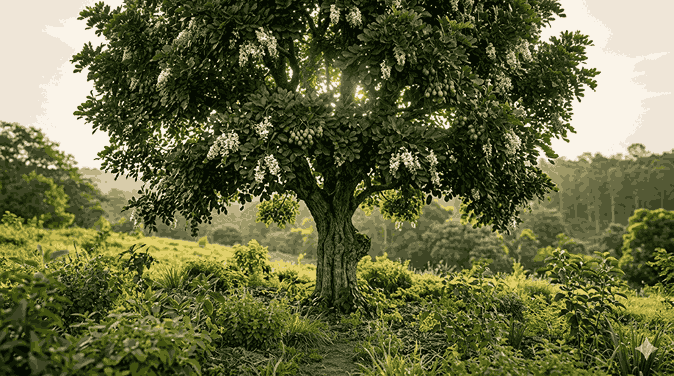
The karanja tree is one of the most valued medicinal trees in Ayurveda, known for its remarkable healing properties and wide range of traditional uses. Scientifically known as Pongamia pinnata, the karanja tree has been used for centuries to support skin health, joint care, digestive wellness, and natural detoxification. Every part of this tree, including its leaves, seeds, bark, flowers, and roots, offers therapeutic value.
At Naturecares Ayurveda, we believe in promoting natural wellness through time-tested Ayurvedic herbs and remedies. The karanja tree continues to play an important role in traditional medicine due to its antibacterial, antifungal, anti-inflammatory, and antioxidant properties.
What is the Karanja Tree?
The karanja tree is a medium-sized evergreen tree native to India and other tropical regions of Asia. It grows well in different climatic conditions and is commonly found along roadsides, riverbanks, and agricultural fields. The tree produces pinkish-white flowers and brown seed pods that contain oil-rich seeds.
In Ayurveda, the karanja tree is classified as a powerful medicinal plant that helps balance Kapha and Vata doshas while supporting healthy skin and overall well-being.
Nutritional and Medicinal Compounds in the Karanja Tree
The healing power of the karanja tree comes from its naturally occurring bioactive compounds. These include:
-
Flavonoids
-
Pongamol
-
Karanjin
-
Tannins
-
Fixed oils
-
Saponins
-
Glycosides
-
Antioxidants
These compounds contribute to the tree's medicinal effects and make it valuable in herbal formulations.
Health Benefits of the Karanja Tree
1. Supports Healthy Skin
One of the most well-known benefits of the karanja tree is its positive effect on skin health. Karanja oil extracted from its seeds has antibacterial and antifungal properties that may help manage common skin concerns.
Traditionally, karanja oil has been used for:
-
Dry skin
-
Itchy skin
-
Minor fungal infections
-
Acne-prone skin
-
Scalp irritation
Regular external application may help soothe irritated skin while supporting the natural healing process.
2. Helps Reduce Joint Discomfort
Ayurvedic practitioners have long used preparations made from the karanja tree to support joint health. The anti-inflammatory compounds found in the bark and seed oil may help reduce stiffness and improve mobility when used externally.
Herbal massage oils containing karanja are often recommended for:
-
Joint stiffness
-
Muscle soreness
-
General body aches
-
Age-related discomfort
3. Natural Antibacterial Properties
The karanja tree contains natural antibacterial compounds that may help inhibit the growth of harmful microorganisms. This makes it useful in traditional herbal preparations for maintaining healthy skin and promoting wound healing.
Its leaves and oil have been used in Ayurveda for cleansing minor cuts and maintaining skin hygiene.
4. Rich in Antioxidants
Oxidative stress contributes to premature aging and various health concerns. The antioxidants present in the karanja tree help protect cells from free radical damage.
A diet and lifestyle supported by antioxidant-rich herbs may contribute to:
-
Healthy aging
-
Better immune function
-
Improved cellular health
-
Overall wellness
5. Supports Digestive Health
Traditional Ayurvedic texts mention the use of various parts of the karanja tree for digestive support. Herbal preparations made from the bark and leaves have been used to promote digestive comfort and maintain a healthy digestive system.
It may help support:
-
Healthy digestion
-
Appetite
-
Natural detoxification
-
Gut wellness
6. Promotes Healthy Scalp
Karanja oil is commonly used in herbal hair care products. Its antimicrobial properties help maintain scalp cleanliness while reducing dryness and irritation.
Regular scalp massage with herbal oils containing karanja may support:
-
Healthy hair roots
-
Cleaner scalp
-
Reduced dandruff
-
Improved scalp comfort
7. Supports Oral Hygiene
Traditional practices have used the bark and leaves of the karanja tree for maintaining oral health. Their antimicrobial properties help promote better oral hygiene and fresh breath.
Some herbal mouth rinses and Ayurvedic formulations include karanja extracts for this purpose.
8. Helps Maintain Healthy Immunity
The bioactive compounds found in the karanja tree may contribute to a healthy immune response. While it is not a replacement for medical treatment, its antioxidant and antimicrobial properties support overall wellness.
Ayurvedic Importance of the Karanja Tree
In Ayurveda, the karanja tree is considered highly beneficial for balancing Kapha and Vata doshas. Classical Ayurvedic formulations use different parts of the tree based on individual health needs.
The tree is traditionally believed to possess the following qualities:
-
Bitter taste (Tikta)
-
Pungent taste (Katu)
-
Heating potency (Ushna)
-
Light and dry qualities
These characteristics make it useful in various Ayurvedic therapies designed to support detoxification and skin health.
Traditional Uses of the Karanja Tree
The karanja tree has been used in traditional medicine for generations. Common uses include:
-
Herbal oils
-
Skin applications
-
Ayurvedic powders
-
Decoctions
-
Herbal pastes
-
Medicinal soaps
-
Hair oils
-
Agricultural applications as a natural pesticide
Its versatility makes it one of the most useful medicinal trees in traditional healthcare systems.
Karanja Tree Oil
Karanja oil is extracted from the seeds of the karanja tree through mechanical pressing. The oil has a thick texture and a characteristic earthy aroma.
Common external uses include:
-
Skin massage
-
Hair care
-
Herbal ointments
-
Traditional massage oils
-
Soap manufacturing
Due to its potent nature, karanja oil is generally diluted before topical use.
Environmental Benefits of the Karanja Tree
Apart from its medicinal value, the karanja tree provides several environmental advantages.
These include:
-
Prevents soil erosion
-
Improves soil fertility
-
Provides shade
-
Supports biodiversity
-
Helps in reforestation
-
Produces biofuel from seeds
-
Requires minimal maintenance
Its ability to grow in poor soil conditions makes it an excellent choice for ecological restoration projects.
How to Grow a Karanja Tree
Growing a karanja tree is relatively simple because it adapts well to different environments.
Basic growing requirements include:
-
Full sunlight
-
Well-drained soil
-
Moderate watering during early growth
-
Warm tropical or subtropical climate
Once established, the tree becomes drought-resistant and requires little maintenance.
Precautions
Although the karanja tree offers numerous traditional benefits, certain precautions should be followed.
-
Karanja oil is primarily intended for external use unless advised by a qualified Ayurvedic practitioner.
-
Always perform a patch test before applying karanja oil to the skin.
-
Pregnant and breastfeeding women should consult a healthcare professional before using herbal products.
-
Individuals with existing medical conditions should seek medical guidance before incorporating Ayurvedic remedies into their routine.
Why Ayurveda Values the Karanja Tree
Ayurveda recognizes the karanja tree as a versatile medicinal plant because nearly every part of the tree has therapeutic applications. From promoting healthy skin to supporting joint care and maintaining natural immunity, the tree has remained an essential component of traditional herbal medicine for centuries.
Modern research continues to explore the pharmacological properties of karanja, further validating many of its traditional applications.
Conclusion
The karanja tree stands as one of Ayurveda's most respected medicinal plants, offering a unique combination of traditional wisdom and natural healing potential. Its leaves, bark, seeds, flowers, and oil provide multiple wellness benefits, particularly for skin health, joint support, scalp care, and overall well-being.
Whether used in herbal oils, Ayurvedic formulations, or traditional remedies, the karanja tree continues to play a significant role in natural healthcare. At Naturecares Ayurveda, we are committed to sharing authentic Ayurvedic knowledge and promoting herbal wellness through trusted natural solutions. By understanding the benefits and responsible use of the karanja tree, individuals can make informed choices toward a healthier and more balanced lifestyle.
 Deutsch
 English
 Arabic
 French
 Spanish
 Portuguese
 Turkish
 Dutch
Dutch
 Italiano
 Russian
 Romaian
 Portuguese (Brazil)
 Greek
Greek