


 IMS for Investors
 Global News
 Vdo Junction
 Talkfever App
 Upcoming
Modern Approaches to Managing Product Information in Digital Businesses
In an increasingly digital economy, businesses depend on accurate, structured, and accessible product information to operate efficiently. As product ranges grow and sales channels multiply, companies must find ways to manage complex data without losing consistency or control. This has made structured product information management a key part of modern digital infrastructure.
Why Product Data Becomes Difficult to Manage
Product information is rarely static. It changes frequently due to pricing updates, new specifications, seasonal variations, translations, and channel-specific requirements. When this data is stored across multiple systems or handled manually, inconsistencies inevitably appear.
These inconsistencies can affect internal workflows and customer-facing experiences, making it harder for teams to maintain trust and efficiency in their operations.
The Shift Toward Centralized Data Systems
To address these challenges, many organizations are moving toward centralized systems that consolidate all product-related information in one place. This approach allows companies to standardize how data is stored, updated, and distributed.
Instead of relying on isolated tools or spreadsheets, teams work within a unified structure that ensures product details remain consistent across departments and sales channels.
Improving Operational Efficiency Through Structure
A structured product data environment helps reduce duplication of effort and minimizes manual errors. Teams no longer need to update the same product information in multiple systems, which significantly reduces operational overhead.
It also enables faster onboarding of new products, as standardized templates and workflows guide the process from creation to publication.
Cross-Team Collaboration and Data Governance
Product information is typically used by many stakeholders, including marketing, sales, logistics, and digital commerce teams. Without clear governance, managing updates across these groups can become complex.
Centralized systems introduce role-based access, approval workflows, and version control, ensuring that changes are properly reviewed and tracked. This improves accountability and reduces the risk of incorrect or outdated information being published.
Ensuring Consistency Across Channels
Modern businesses rarely rely on a single sales channel. Instead, they operate across e-commerce platforms, retail partners, and global marketplaces.
A unified product information system ensures that all channels receive consistent and up-to-date data. This consistency strengthens brand identity and improves customer confidence, regardless of where the product is viewed or purchased.
The Role of Data Quality in Customer Experience
Accurate and detailed product information plays a direct role in shaping customer experience. Shoppers rely on product descriptions, specifications, and visuals to make informed purchasing decisions.
Poor-quality data can lead to confusion, returns, and lost sales. In contrast, well-structured information improves clarity and helps customers feel more confident in their choices.
Automation and Smart Data Processes
Many modern systems incorporate automation to simplify repetitive tasks such as categorization, data validation, and content updates. This reduces manual workload and increases accuracy across large product catalogs.
Automation also supports scalability, allowing businesses to expand their product ranges without overwhelming internal teams.
Supporting Digital Transformation Initiatives
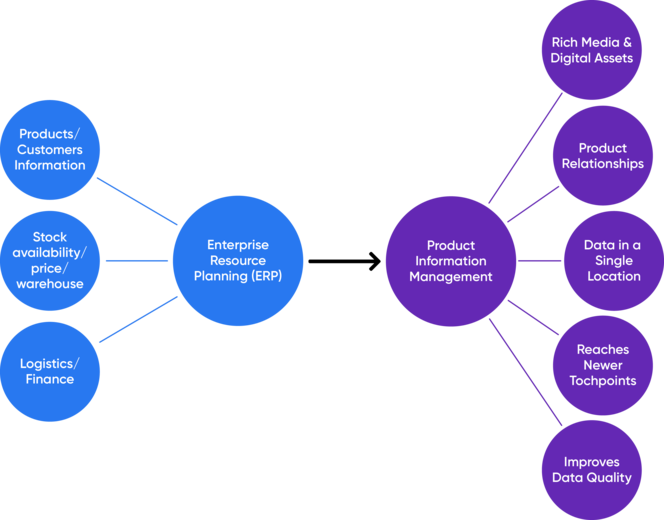
As companies undergo digital transformation, product information management becomes a foundational component of their technology ecosystem. It connects with e-commerce platforms, ERP systems, and marketing tools to create a more integrated workflow.
This integration allows businesses to operate more efficiently and respond faster to market changes.
Example of a Product Information Platform
Platforms such as Piminto are designed to help organizations centralize and manage product data more effectively. By offering structured workflows, data consistency tools, and collaboration features, such solutions support companies in improving operational control over their product information.
Conclusion
As product complexity https://piminto.com/ continues to increase, businesses must adopt more structured approaches to managing information. Centralized systems not only improve efficiency and accuracy but also strengthen collaboration and customer experience. In a competitive digital environment, well-managed product data becomes a key factor in long-term success.
 Turkish
 English
 Arabic
 French
 Spanish
 Portuguese
 Deutsch
 Dutch
Dutch
 Italiano
 Russian
 Romaian
 Portuguese (Brazil)
 Greek
Greek