Upgrade auf Pro

  • Let’s Feed Your Heart: A Cardiologist’s 6 Daily Foods for Lower Cholesterol

    Forget restrictive diets and overwhelming overhauls. Sometimes, the most powerful medicine comes not from a prescription bottle, but from your grocery list. As a cardiologist, I see daily how simple, consistent food choices can dramatically reshape heart health. The goal isn’t perfection—it’s progression. Today, let’s focus on six delicious, research-backed foods you can incorporate daily to lower your "bad" LDL cholesterol, protect your arteries, and truly feed your heart.

    Why Food is Your First Line of Defense
    Cholesterol management is a two-part mission: reduce LDL (the "lousy" cholesterol that builds plaque) and support HDL (the "helpful" cholesterol that cleans up). While genetics and medication play roles, diet is the foundation. These foods work through powerful mechanisms: soluble fiber traps cholesterol in the gut, healthy fats reduce LDL production, and plant compounds act as antioxidants, reducing the inflammation that hardens arteries.

    The Daily 6: How and Why They Work
    1. Oats & Barley (The Fiber Champions)

    How: Start your day with a bowl of oatmeal or add barley to soups. These grains are rich in beta-glucan, a potent soluble fiber.

    Why & Benefits: Beta-glucan forms a gel in your intestines, binding to cholesterol-rich bile acids and escorting them out of your body. This forces your liver to pull cholesterol from your bloodstream to make new bile, effectively lowering LDL levels.

    2. Fatty Fish (The Omega-3 Powerhouses)

    How: Aim for two 3.5oz servings per week of salmon, mackerel, sardines, or herring. Grill, bake, or steam.

    Why & Benefits: These fish are loaded with omega-3 fatty acids (EPA and DHA). Omega-3s don't directly lower LDL cholesterol, but they are heart protectors: they dramatically lower triglycerides, reduce inflammation, slow arterial plaque growth, and help prevent irregular heartbeats.

    3. Nuts (The Satiety Superstars)

    How: A small handful (about 1.5 oz) of almonds, walnuts, or pistachios daily. Eat as a snack or sprinkle on salads and yogurt.

    Why & Benefits: Nuts are packed with monounsaturated and polyunsaturated fats that directly lower LDL. They also contain plant sterols (which block cholesterol absorption) and fiber. They improve artery function and promote fullness.

    4. Legumes (The Versatile Protein Swap)

    How: Incorporate a serving of beans, lentils, or chickpeas daily. Add to salads, soups, stews, or make a bean-based dip.

    Why & Benefits: An exceptional source of soluble fiber and plant-based protein. Replacing some animal protein with legumes reduces saturated fat intake while flooding your system with cholesterol-lowering fiber and minerals.

    5. Apples & Berries (The Antioxidant Arsenal)

    How: Eat one apple (with the skin on) and a cup of mixed berries (fresh or frozen) daily.

    Why & Benefits: These fruits are dual-threats. They are high in pectin (a type of soluble fiber) and packed with polyphenols and antioxidants like anthocyanins in berries. The fiber lowers cholesterol, while the antioxidants prevent LDL particles from oxidizing—a key step in the formation of dangerous artery plaque.

    6. Olive Oil (The Liquid Gold)

    How: Use 1-2 tablespoons daily as your primary cooking fat. Drizzle on vegetables, use in dressings, or replace butter.

    Why & Benefits: The cornerstone of the Mediterranean diet, extra virgin olive oil (EVOO) is rich in monounsaturated fats and potent antioxidants called polyphenols. It lowers LDL, protects LDL from oxidation, and boosts HDL.

    The Holistic Picture: Advantages & Potential Disadvantages
    Overall Advantages:

    Sustainable & Pleasurable: This is not a diet of deprivation, but of addition and flavor.

    Beyond Cholesterol: These foods collectively lower blood pressure, improve blood vessel function, reduce inflammation, and aid weight management.

    Synergy: The combined effect of these foods is greater than the sum of their parts—a true portfolio diet.

    Conclusion: Your Heart’s Daily Menu
    Heart health is built bite by bite, day by day. You don’t need to eat all six of these foods at every meal, but by making them regular players in your daily diet, you actively construct a powerful defense system for your most vital organ.

    Think of it as consistent, loving maintenance. Feed your heart the fiber it needs to clean, the fats it needs to thrive, and the antioxidants it needs to protect itself. Pair this nutritional strategy with regular movement, stress management, and good sleep, and you have a proven, powerful blueprint for a longer, stronger life.

    Start with one. Add berries to your morning oats, snack on a handful of almonds this afternoon, or choose salmon for dinner. Your heart—and your future self—will thank you for it.

    #HeartHealthy, #CholesterolDiet, #Cardiology, #LowerCholesterol, #HeartHealth, #HealthyEating, #NutritionTips, #EatForYourHeart, #FunctionalFood, #WellnessJourney
    Let’s Feed Your Heart: A Cardiologist’s 6 Daily Foods for Lower Cholesterol Forget restrictive diets and overwhelming overhauls. Sometimes, the most powerful medicine comes not from a prescription bottle, but from your grocery list. As a cardiologist, I see daily how simple, consistent food choices can dramatically reshape heart health. The goal isn’t perfection—it’s progression. Today, let’s focus on six delicious, research-backed foods you can incorporate daily to lower your "bad" LDL cholesterol, protect your arteries, and truly feed your heart. Why Food is Your First Line of Defense Cholesterol management is a two-part mission: reduce LDL (the "lousy" cholesterol that builds plaque) and support HDL (the "helpful" cholesterol that cleans up). While genetics and medication play roles, diet is the foundation. These foods work through powerful mechanisms: soluble fiber traps cholesterol in the gut, healthy fats reduce LDL production, and plant compounds act as antioxidants, reducing the inflammation that hardens arteries. The Daily 6: How and Why They Work 1. Oats & Barley (The Fiber Champions) How: Start your day with a bowl of oatmeal or add barley to soups. These grains are rich in beta-glucan, a potent soluble fiber. Why & Benefits: Beta-glucan forms a gel in your intestines, binding to cholesterol-rich bile acids and escorting them out of your body. This forces your liver to pull cholesterol from your bloodstream to make new bile, effectively lowering LDL levels. 2. Fatty Fish (The Omega-3 Powerhouses) How: Aim for two 3.5oz servings per week of salmon, mackerel, sardines, or herring. Grill, bake, or steam. Why & Benefits: These fish are loaded with omega-3 fatty acids (EPA and DHA). Omega-3s don't directly lower LDL cholesterol, but they are heart protectors: they dramatically lower triglycerides, reduce inflammation, slow arterial plaque growth, and help prevent irregular heartbeats. 3. Nuts (The Satiety Superstars) How: A small handful (about 1.5 oz) of almonds, walnuts, or pistachios daily. Eat as a snack or sprinkle on salads and yogurt. Why & Benefits: Nuts are packed with monounsaturated and polyunsaturated fats that directly lower LDL. They also contain plant sterols (which block cholesterol absorption) and fiber. They improve artery function and promote fullness. 4. Legumes (The Versatile Protein Swap) How: Incorporate a serving of beans, lentils, or chickpeas daily. Add to salads, soups, stews, or make a bean-based dip. Why & Benefits: An exceptional source of soluble fiber and plant-based protein. Replacing some animal protein with legumes reduces saturated fat intake while flooding your system with cholesterol-lowering fiber and minerals. 5. Apples & Berries (The Antioxidant Arsenal) How: Eat one apple (with the skin on) and a cup of mixed berries (fresh or frozen) daily. Why & Benefits: These fruits are dual-threats. They are high in pectin (a type of soluble fiber) and packed with polyphenols and antioxidants like anthocyanins in berries. The fiber lowers cholesterol, while the antioxidants prevent LDL particles from oxidizing—a key step in the formation of dangerous artery plaque. 6. Olive Oil (The Liquid Gold) How: Use 1-2 tablespoons daily as your primary cooking fat. Drizzle on vegetables, use in dressings, or replace butter. Why & Benefits: The cornerstone of the Mediterranean diet, extra virgin olive oil (EVOO) is rich in monounsaturated fats and potent antioxidants called polyphenols. It lowers LDL, protects LDL from oxidation, and boosts HDL. The Holistic Picture: Advantages & Potential Disadvantages Overall Advantages: Sustainable & Pleasurable: This is not a diet of deprivation, but of addition and flavor. Beyond Cholesterol: These foods collectively lower blood pressure, improve blood vessel function, reduce inflammation, and aid weight management. Synergy: The combined effect of these foods is greater than the sum of their parts—a true portfolio diet. Conclusion: Your Heart’s Daily Menu Heart health is built bite by bite, day by day. You don’t need to eat all six of these foods at every meal, but by making them regular players in your daily diet, you actively construct a powerful defense system for your most vital organ. Think of it as consistent, loving maintenance. Feed your heart the fiber it needs to clean, the fats it needs to thrive, and the antioxidants it needs to protect itself. Pair this nutritional strategy with regular movement, stress management, and good sleep, and you have a proven, powerful blueprint for a longer, stronger life. Start with one. Add berries to your morning oats, snack on a handful of almonds this afternoon, or choose salmon for dinner. Your heart—and your future self—will thank you for it. #HeartHealthy, #CholesterolDiet, #Cardiology, #LowerCholesterol, #HeartHealth, #HealthyEating, #NutritionTips, #EatForYourHeart, #FunctionalFood, #WellnessJourney
    1
    ·1KB Ansichten ·1 Geteilt ·0 Bewertungen
  • How Security Solutions in Singapore Minimize Theft, Fraud, and Internal Risks
    There are so many threats in today’s world. The threats can come from anywhere. This is why investing in security solutions has become essential. Security solutions in Singapore are designed to tackle these problems efficiently and keep your business, home, and staff safe. Let’s see how security solutions in Singapore reduce theft, fraud, and internal risks:
    Reducing fraud with smart technology
    Emergency Preparedness Improves Response to Incidents
    Smart Surveillance That Learns Patterns
    Real-Time Incident Response
    Improving Overall Workplace Safety...To Know More Visit:https://www.kestrelis.com/security-solutions-singapore
    How Security Solutions in Singapore Minimize Theft, Fraud, and Internal Risks There are so many threats in today’s world. The threats can come from anywhere. This is why investing in security solutions has become essential. Security solutions in Singapore are designed to tackle these problems efficiently and keep your business, home, and staff safe. Let’s see how security solutions in Singapore reduce theft, fraud, and internal risks: Reducing fraud with smart technology Emergency Preparedness Improves Response to Incidents Smart Surveillance That Learns Patterns Real-Time Incident Response Improving Overall Workplace Safety...To Know More Visit:https://www.kestrelis.com/security-solutions-singapore
    WWW.KESTRELIS.COM
    Security Solutions Singapore​
    Kestrel Investigation & Security Pte Ltd. delivers reliable and customized security solutions in Singapore — protecting people, property, and peace of mind.
    ·987 Ansichten ·0 Bewertungen
  • Why You Need SOC 2 Attestation Services
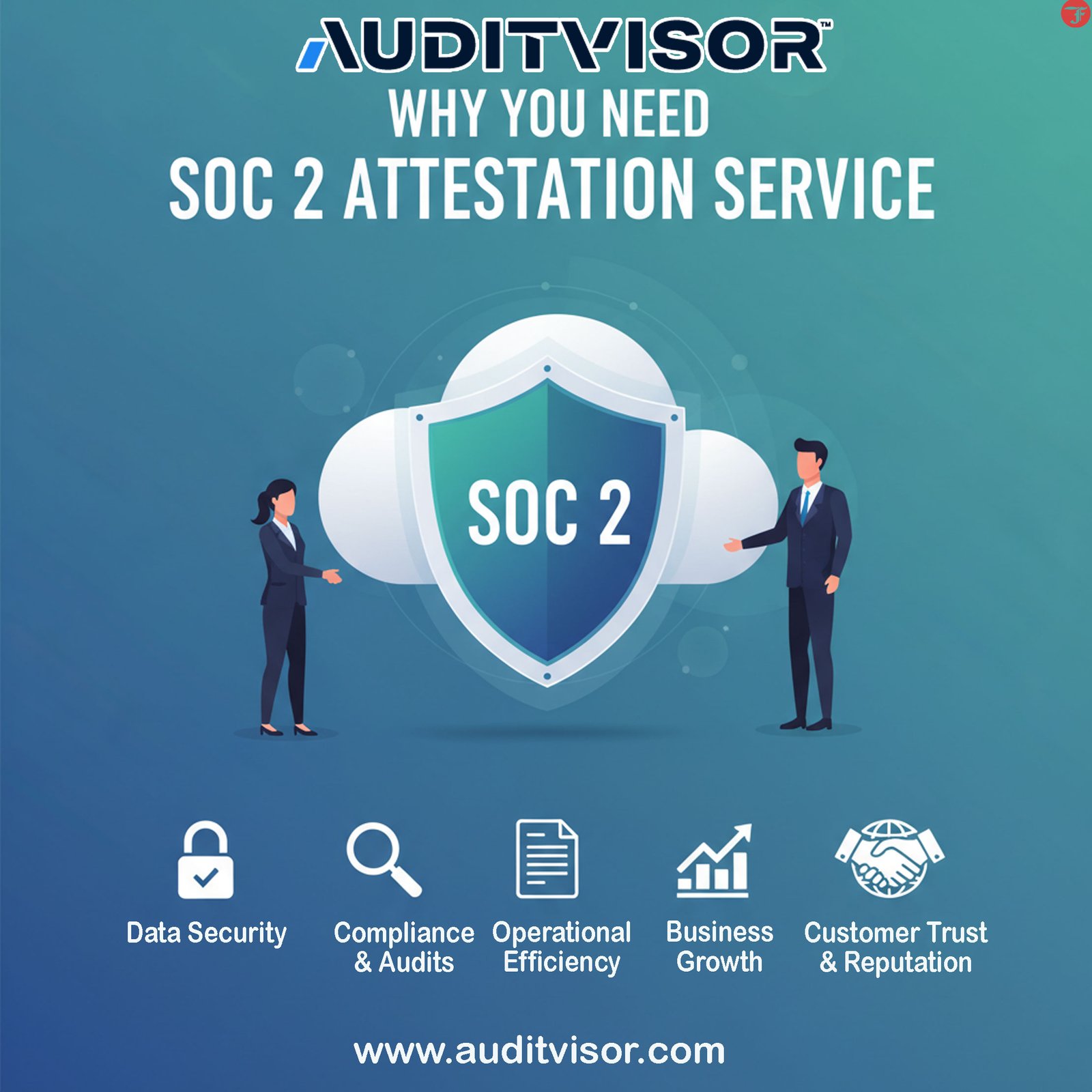
    1) Data Security 🛡️
    SOC 2 ensures your organization implements strong security controls to protect sensitive customer data from breaches, unauthorized access, and cyber threats.
    2) Compliance & Audit 📄
    It helps you meet industry regulations and provides a reliable, third-party attestation report that customers, auditors, and partners trust.
    3) Operational Efficiency ⚙️
    SOC 2 compliance streamlines your internal processes, reduces risks, and helps teams follow standardized security practices.
    4) Business Growth 📈
    Many enterprises and global clients require SOC 2 before onboarding new vendors—unlocking bigger opportunities and faster deal closures.
    5) Customer Trust & Reputation ⭐
    A SOC 2 report demonstrates accountability and transparency, strengthening your brand image and building long-term customer confidence.
    Visit Now - www.auditvisor.com
    #SOC2 #SOC2Compliance #SOC2Attestation #SOC2Certification #SOC2Audit #DataSecurity #CyberSecurity #ComplianceAudit #InformationSecurity #RiskManagement #SecurityCompliance #BusinessGrowth #CustomerTrust #Infosec #AuditServices #ComplianceServices #TechSecurity #SecurityStandards #ISOCertification #AuditVisor #SOC2AttestaionServices #SOC2CertificationServices #SOCServiceIndia
    Why You Need SOC 2 Attestation Services 1) Data Security 🛡️ SOC 2 ensures your organization implements strong security controls to protect sensitive customer data from breaches, unauthorized access, and cyber threats. 2) Compliance & Audit 📄 It helps you meet industry regulations and provides a reliable, third-party attestation report that customers, auditors, and partners trust. 3) Operational Efficiency ⚙️ SOC 2 compliance streamlines your internal processes, reduces risks, and helps teams follow standardized security practices. 4) Business Growth 📈 Many enterprises and global clients require SOC 2 before onboarding new vendors—unlocking bigger opportunities and faster deal closures. 5) Customer Trust & Reputation ⭐ A SOC 2 report demonstrates accountability and transparency, strengthening your brand image and building long-term customer confidence. Visit Now - www.auditvisor.com #SOC2 #SOC2Compliance #SOC2Attestation #SOC2Certification #SOC2Audit #DataSecurity #CyberSecurity #ComplianceAudit #InformationSecurity #RiskManagement #SecurityCompliance #BusinessGrowth #CustomerTrust #Infosec #AuditServices #ComplianceServices #TechSecurity #SecurityStandards #ISOCertification #AuditVisor #SOC2AttestaionServices #SOC2CertificationServices #SOCServiceIndia
    ·2KB Ansichten ·0 Bewertungen
  • SInec Secure Connect Adoption

    AI-Powered Security: The platform will likely incorporate AI and machine learning to analyze connection patterns, detect anomalies in real-time, and automatically respond to potential threats.

    #Sinec #Security #Platform #AI #Machine
    SInec Secure Connect Adoption AI-Powered Security: The platform will likely incorporate AI and machine learning to analyze connection patterns, detect anomalies in real-time, and automatically respond to potential threats. #Sinec #Security #Platform #AI #Machine
    ·451 Ansichten ·0 Bewertungen
  • Why It's Needed (The Problem It Solves) Sinec Secure Connect


    Increasing Cyber Threats: Critical infrastructure and manufacturing are prime targets for ransomware and state-sponsored attacks, making robust security non-negotiable.

    #Sinec #Secure #Connect #Siemens #Cyber #Threats
    Why It's Needed (The Problem It Solves) Sinec Secure Connect Increasing Cyber Threats: Critical infrastructure and manufacturing are prime targets for ransomware and state-sponsored attacks, making robust security non-negotiable. #Sinec #Secure #Connect #Siemens #Cyber #Threats
    ·667 Ansichten ·0 Bewertungen
  • Why It's Needed (The Problem It Solves) Sinec Secure Connect

    OT/IT Convergence: The traditional air gap between OT and IT is disappearing. Connecting OT systems exposes them to cyber threats from the IT world.

    #OT #IT #Secure
    Why It's Needed (The Problem It Solves) Sinec Secure Connect OT/IT Convergence: The traditional air gap between OT and IT is disappearing. Connecting OT systems exposes them to cyber threats from the IT world. #OT #IT #Secure
    ·203 Ansichten ·0 Bewertungen
  • SIMATIC S7-1500 Advanced Controller V3.0: The latest iteration of this workhorse PLC is a powerhouse for IT/OT convergence.

    It features native OPC UA Pub/Sub communication, enhanced security protocols against cyber threats, and the ability to run lightweight containerized applications directly on the controller, blurring the line between PLC and industrial PC.

    #SIMATICS71500, #S71500, #PLC, #IndustrialAutomation, #Siemens, #Automation, #PLCProgramming, #SCADA, #IIoT, #Industry40

    SIMATIC S7-1500 Advanced Controller V3.0: The latest iteration of this workhorse PLC is a powerhouse for IT/OT convergence. It features native OPC UA Pub/Sub communication, enhanced security protocols against cyber threats, and the ability to run lightweight containerized applications directly on the controller, blurring the line between PLC and industrial PC. #SIMATICS71500, #S71500, #PLC, #IndustrialAutomation, #Siemens, #Automation, #PLCProgramming, #SCADA, #IIoT, #Industry40
    1
    ·1KB Ansichten ·0 Bewertungen
  • Traffic Marshal vs. Security Guard: What’s the Difference?

    In today’s time, safety has become the priority, especially in busy areas like construction sites, events, and office buildings. But mostly, people confuse the traffic marshal directing the vehicles and managing the traffic with security guards. Let’s break down the difference between traffic marshals and security guards:

    Traffic Marshal: A traffic marshal is a trained professional who manages vehicles on sites, events, or parking areas. They are responsible for smooth traffic flow and preventing accidents.

    Security Guards: On the other hand, a security guard is also a trained security personnel responsible for protecting people, property, and assets from theft, threats, and damage.

    So we can say that both traffic marshals and security guards create a safer and more organized environment for everyone. It is important to choose the right security guard and traffic marshal services. To Know More Visit: https://www.kestrelis.com/traffic-marshal-services-in-singapore
    Traffic Marshal vs. Security Guard: What’s the Difference? In today’s time, safety has become the priority, especially in busy areas like construction sites, events, and office buildings. But mostly, people confuse the traffic marshal directing the vehicles and managing the traffic with security guards. Let’s break down the difference between traffic marshals and security guards: Traffic Marshal: A traffic marshal is a trained professional who manages vehicles on sites, events, or parking areas. They are responsible for smooth traffic flow and preventing accidents. Security Guards: On the other hand, a security guard is also a trained security personnel responsible for protecting people, property, and assets from theft, threats, and damage. So we can say that both traffic marshals and security guards create a safer and more organized environment for everyone. It is important to choose the right security guard and traffic marshal services. To Know More Visit: https://www.kestrelis.com/traffic-marshal-services-in-singapore
    WWW.KESTRELIS.COM
    Traffic Marshal Services in Singapore
    1
    ·606 Ansichten ·0 Bewertungen
  • Embedded Security Market size is growing at a CAGR of 10%

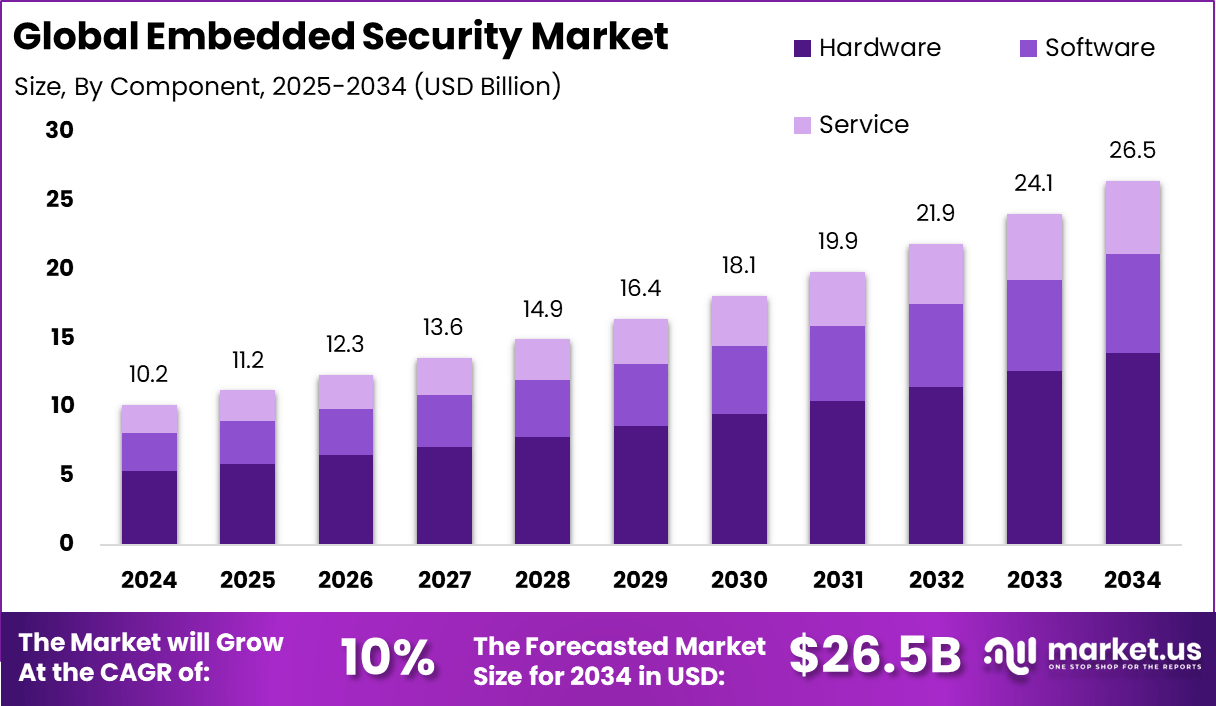
    The Global Embedded Security Market size is expected to be worth around USD 26.5 Billion By 2034, from USD 10.2 billion in 2024, growing at a CAGR of 10% during the forecast period from 2025 to 2034. In 2024, North America held a dominant market position, capturing more than a 40.2% share, holding USD 4.1 Billion revenue.

    Read more - https://market.us/report/global-embedded-security-market/

    The Embedded Security Market refers to the industry focused on integrating security solutions directly into hardware and software systems to protect devices from cyber threats. It encompasses technologies like encryption, secure boot, and authentication mechanisms embedded in devices such as IoT gadgets, automotive systems, and smart cards. This market is critical as it safeguards sensitive data and ensures the integrity of connected devices in an increasingly digital world. Its growth is driven by the need for robust protection against evolving cyber risks, making it essential for industries like healthcare, automotive, and consumer electronics.

    The Embedded Security Market, in a broader sense, represents the ecosystem of solutions designed to secure embedded systems, which are specialized computing systems performing dedicated functions within larger devices. It includes hardware like secure microcontrollers and software like firmware updates, addressing vulnerabilities in connected environments. The market is expanding rapidly due to the proliferation of smart devices and the rising sophistication of cyberattacks. It plays a pivotal role in ensuring data privacy and system reliability across sectors, fostering trust in digital transformation.

    Top driving factors for the Embedded Security Market include the surge in cyber threats targeting connected devices and the growing adoption of IoT across industries. Stringent regulatory mandates for data protection, especially in automotive and healthcare, push companies to integrate robust security. The rise of digital transformation and smart infrastructure also fuels demand for embedded security solutions. Additionally, advancements in AI and machine learning enhance threat detection, driving market growth further.


    Embedded Security Market size is growing at a CAGR of 10% The Global Embedded Security Market size is expected to be worth around USD 26.5 Billion By 2034, from USD 10.2 billion in 2024, growing at a CAGR of 10% during the forecast period from 2025 to 2034. In 2024, North America held a dominant market position, capturing more than a 40.2% share, holding USD 4.1 Billion revenue. Read more - https://market.us/report/global-embedded-security-market/ The Embedded Security Market refers to the industry focused on integrating security solutions directly into hardware and software systems to protect devices from cyber threats. It encompasses technologies like encryption, secure boot, and authentication mechanisms embedded in devices such as IoT gadgets, automotive systems, and smart cards. This market is critical as it safeguards sensitive data and ensures the integrity of connected devices in an increasingly digital world. Its growth is driven by the need for robust protection against evolving cyber risks, making it essential for industries like healthcare, automotive, and consumer electronics. The Embedded Security Market, in a broader sense, represents the ecosystem of solutions designed to secure embedded systems, which are specialized computing systems performing dedicated functions within larger devices. It includes hardware like secure microcontrollers and software like firmware updates, addressing vulnerabilities in connected environments. The market is expanding rapidly due to the proliferation of smart devices and the rising sophistication of cyberattacks. It plays a pivotal role in ensuring data privacy and system reliability across sectors, fostering trust in digital transformation. Top driving factors for the Embedded Security Market include the surge in cyber threats targeting connected devices and the growing adoption of IoT across industries. Stringent regulatory mandates for data protection, especially in automotive and healthcare, push companies to integrate robust security. The rise of digital transformation and smart infrastructure also fuels demand for embedded security solutions. Additionally, advancements in AI and machine learning enhance threat detection, driving market growth further.
    MARKET.US
    Embedded Security Market
    By 2034, the Embedded Security Market is expected to reach a valuation of USD 26.5 billion, expanding at a healthy CAGR of 10%.
    ·5KB Ansichten ·0 Bewertungen
  • API Security Market size is expected to be worth around USD 12,245.7 million

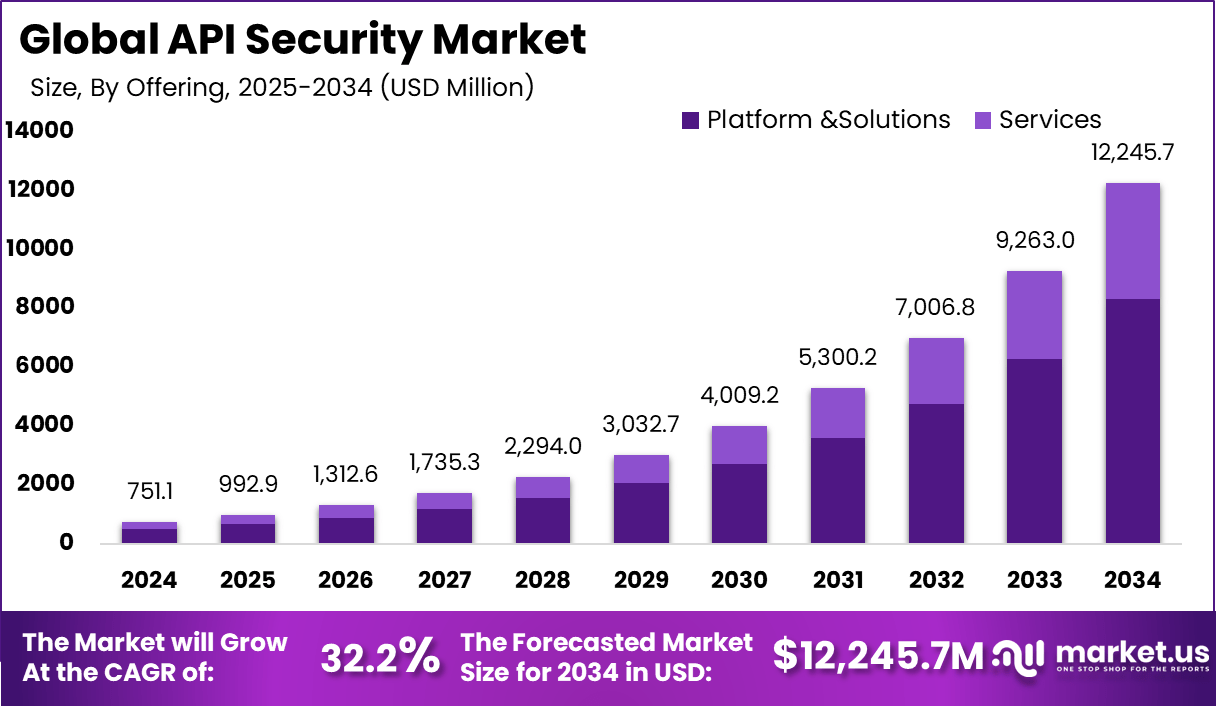
    The Global API Security Market size is expected to be worth around USD 12,245.7 million by 2034, from USD 751.05 million in 2024, growing at a CAGR of 32.2% during the forecast period from 2025 to 2034. North America held a dominant market position, capturing more than a 42% share, holding USD 315.4 million in revenue.

    Read more - https://market.us/report/api-security-market/

    The API Security Market refers to the industry focused on solutions and services designed to protect Application Programming Interfaces (APIs) from cyber threats. APIs are critical for enabling communication and data exchange between software systems, powering everything from mobile apps to cloud services. As businesses increasingly rely on APIs to drive digital transformation, the need to secure these interfaces against vulnerabilities like data breaches, unauthorized access, and injection attacks has grown. This market includes software, platforms, and services like API gateways, encryption tools, and threat detection systems, all aimed at ensuring secure and compliant API operations across industries such as finance, healthcare, and e-commerce.

    The API Security Market, in terms of its market dynamics, is experiencing rapid growth due to the rising adoption of APIs in modern applications. Valued at around USD 1.05 billion in 2023, it’s projected to grow significantly, with estimates suggesting a CAGR of around 29.9% through 2032, potentially reaching USD 10.6 billion. This expansion is fueled by the increasing complexity of digital ecosystems, where APIs connect diverse systems, creating a larger attack surface. North America leads the market, driven by its advanced technological infrastructure and stringent regulations, while the Asia-Pacific region is emerging as a fast-growing hub due to rapid digitalization and cloud adoption.


    API Security Market size is expected to be worth around USD 12,245.7 million The Global API Security Market size is expected to be worth around USD 12,245.7 million by 2034, from USD 751.05 million in 2024, growing at a CAGR of 32.2% during the forecast period from 2025 to 2034. North America held a dominant market position, capturing more than a 42% share, holding USD 315.4 million in revenue. Read more - https://market.us/report/api-security-market/ The API Security Market refers to the industry focused on solutions and services designed to protect Application Programming Interfaces (APIs) from cyber threats. APIs are critical for enabling communication and data exchange between software systems, powering everything from mobile apps to cloud services. As businesses increasingly rely on APIs to drive digital transformation, the need to secure these interfaces against vulnerabilities like data breaches, unauthorized access, and injection attacks has grown. This market includes software, platforms, and services like API gateways, encryption tools, and threat detection systems, all aimed at ensuring secure and compliant API operations across industries such as finance, healthcare, and e-commerce. The API Security Market, in terms of its market dynamics, is experiencing rapid growth due to the rising adoption of APIs in modern applications. Valued at around USD 1.05 billion in 2023, it’s projected to grow significantly, with estimates suggesting a CAGR of around 29.9% through 2032, potentially reaching USD 10.6 billion. This expansion is fueled by the increasing complexity of digital ecosystems, where APIs connect diverse systems, creating a larger attack surface. North America leads the market, driven by its advanced technological infrastructure and stringent regulations, while the Asia-Pacific region is emerging as a fast-growing hub due to rapid digitalization and cloud adoption.
    MARKET.US
    API Security Market
    By 2034, the API Security Market is expected to reach a valuation of USD 12,245.7 Million, expanding at a healthy CAGR of 32.2%.
    1
    ·3KB Ansichten ·0 Bewertungen
  • Anti-Drone Market size is growing at a CAGR of 27.3%

    The Global Anti-Drone Market size is expected to be worth around USD 28.1 Billion By 2034, from USD 2.5 billion in 2024, growing at a CAGR of 27.3% during the forecast period from 2025 to 2034. In 2024, North America held a dominant market position, capturing more than a 46.8% share, holding USD 1.1 Billion revenue. In the United States, the market is valued at USD 0.74 Billion in 2024 and is projected to grow at a CAGR of 27.5% during the forecast period.

    Read more - https://market.us/report/anti-drone-market/

    The anti-drone market refers to the industry focused on developing and deploying technologies to detect, track, and neutralize unauthorized or malicious drones. It encompasses a range of solutions, from radar systems and radio frequency jammers to laser-based interception tools, all designed to address the growing threat of drones used for illegal activities like smuggling, espionage, or terrorism. This market serves various sectors, including military, government, critical infrastructure, and commercial industries, aiming to ensure airspace security and public safety. As drones become more accessible and sophisticated, the need for robust countermeasures has surged, driving innovation and investment in this space. The market is dynamic, with a strong emphasis on adapting to evolving drone technologies and addressing security vulnerabilities in both urban and remote environments.

    The anti-drone market, as a distinct segment, is a rapidly growing field within the broader security and defense industry, centered on countering the risks posed by unmanned aerial vehicles (UAVs). It includes systems that identify and mitigate drone threats through detection, tracking, and neutralization, using both destructive and non-destructive methods. These solutions cater to diverse applications, such as protecting airports, military bases, public events, and critical infrastructure like power plants or oil refineries. The market is fueled by the increasing proliferation of drones across commercial, recreational, and malicious uses, creating a pressing need for advanced countermeasures. Companies in this space, ranging from established defense contractors to innovative startups, are competing to develop scalable, cost-effective, and reliable systems to meet global demand.

    The top driving factors for the anti-drone market stem from the rising security concerns caused by unauthorized drone activities. Governments and organizations are increasingly worried about drones being used for illicit purposes, such as smuggling contraband, conducting unauthorized surveillance, or even carrying out terrorist attacks. The growing adoption of drones in commercial sectors like logistics, agriculture, and media has also heightened the risk of airspace violations, pushing the demand for countermeasures. Additionally, geopolitical tensions and the use of drones in modern warfare, such as in conflict zones, have prompted significant investments in anti-drone technologies. The need to protect critical infrastructure and public spaces from potential drone threats is a key motivator, as is the push for compliance with evolving regulatory frameworks that mandate drone security measures.


    Anti-Drone Market size is growing at a CAGR of 27.3% The Global Anti-Drone Market size is expected to be worth around USD 28.1 Billion By 2034, from USD 2.5 billion in 2024, growing at a CAGR of 27.3% during the forecast period from 2025 to 2034. In 2024, North America held a dominant market position, capturing more than a 46.8% share, holding USD 1.1 Billion revenue. In the United States, the market is valued at USD 0.74 Billion in 2024 and is projected to grow at a CAGR of 27.5% during the forecast period. Read more - https://market.us/report/anti-drone-market/ The anti-drone market refers to the industry focused on developing and deploying technologies to detect, track, and neutralize unauthorized or malicious drones. It encompasses a range of solutions, from radar systems and radio frequency jammers to laser-based interception tools, all designed to address the growing threat of drones used for illegal activities like smuggling, espionage, or terrorism. This market serves various sectors, including military, government, critical infrastructure, and commercial industries, aiming to ensure airspace security and public safety. As drones become more accessible and sophisticated, the need for robust countermeasures has surged, driving innovation and investment in this space. The market is dynamic, with a strong emphasis on adapting to evolving drone technologies and addressing security vulnerabilities in both urban and remote environments. The anti-drone market, as a distinct segment, is a rapidly growing field within the broader security and defense industry, centered on countering the risks posed by unmanned aerial vehicles (UAVs). It includes systems that identify and mitigate drone threats through detection, tracking, and neutralization, using both destructive and non-destructive methods. These solutions cater to diverse applications, such as protecting airports, military bases, public events, and critical infrastructure like power plants or oil refineries. The market is fueled by the increasing proliferation of drones across commercial, recreational, and malicious uses, creating a pressing need for advanced countermeasures. Companies in this space, ranging from established defense contractors to innovative startups, are competing to develop scalable, cost-effective, and reliable systems to meet global demand. The top driving factors for the anti-drone market stem from the rising security concerns caused by unauthorized drone activities. Governments and organizations are increasingly worried about drones being used for illicit purposes, such as smuggling contraband, conducting unauthorized surveillance, or even carrying out terrorist attacks. The growing adoption of drones in commercial sectors like logistics, agriculture, and media has also heightened the risk of airspace violations, pushing the demand for countermeasures. Additionally, geopolitical tensions and the use of drones in modern warfare, such as in conflict zones, have prompted significant investments in anti-drone technologies. The need to protect critical infrastructure and public spaces from potential drone threats is a key motivator, as is the push for compliance with evolving regulatory frameworks that mandate drone security measures.
    MARKET.US
    Anti-Drone Market
    By 2034, the Anti-Drone Market is expected to reach a valuation of USD 28.1 billion, expanding at a healthy CAGR of 27.3%.
    ·4KB Ansichten ·0 Bewertungen
Talkfever - Growing worldwide https://talkfever.com