🧠🚀 World’s First Commercial Brain Implant Approved in China: A Historic Leap for Healthcare and Neurotechnology
The future of medicine is no longer science fiction.
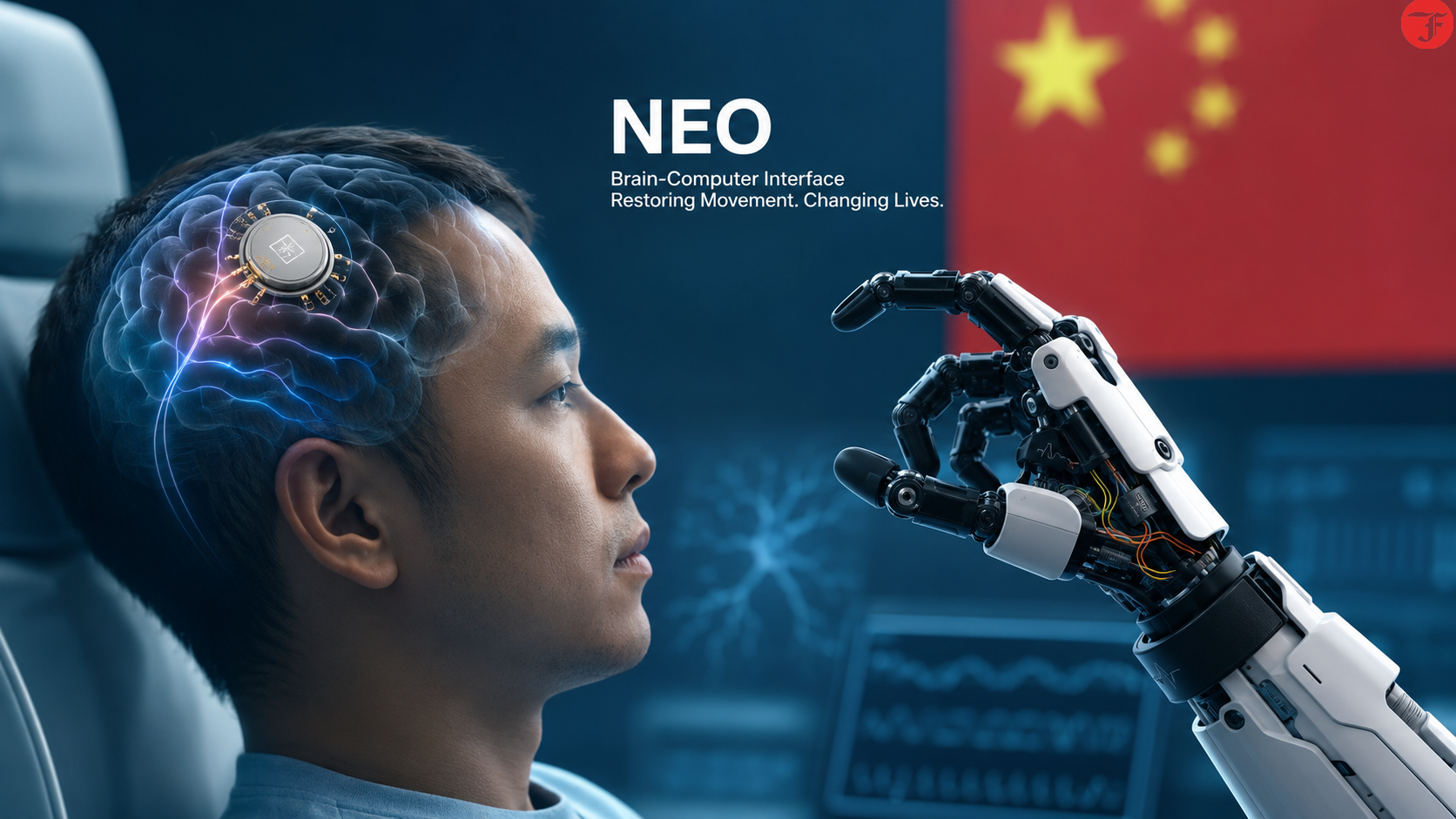
China has officially approved the world's first commercially available invasive brain-computer interface (BCI), marking a groundbreaking moment in healthcare innovation. The device, known as NEO, is designed to help individuals with severe paralysis regain hand movement by translating brain signals into real-world actions.
This milestone represents a significant step forward in neurotechnology, offering new hope to millions of people living with spinal cord injuries and neurological conditions. By enabling direct communication between the human brain and assistive devices, brain-computer interfaces have the potential to restore independence, improve rehabilitation outcomes, and transform patient care.
🔹 Restore lost motor functions
🔹 Enable thought-controlled assistive devices
🔹 Advance rehabilitation medicine
🔹 Accelerate the future of human-machine interaction
While the opportunities are extraordinary, the rise of commercial brain implants also raises important discussions around patient safety, cybersecurity, neural data privacy, and the ethical future of human augmentation.
As healthcare enters the age of brain-machine connectivity, one thing is clear: we are witnessing the beginning of a new era where technology can help restore abilities once thought lost forever.
📖 Read the full article:
https://medium.com/@jckapadia003/worlds-first-commercial-brain-implant-approved-in-china-what-it-means-for-healthcare-b06255521a05.
#BrainComputerInterface #BCI #Neurotechnology #HealthcareInnovation #ArtificialIntelligence #MedicalTechnology #BrainImplant #ChinaInnovation #FutureOfHealthcare #DigitalHealth #Neuroscience #Innovation #Healthcare #Technology #FutureTech #MedicalBreakthrough
🧠🚀 World’s First Commercial Brain Implant Approved in China: A Historic Leap for Healthcare and NeurotechnologyThe future of medicine is no longer science fiction.China has officially approved the world's first commercially available invasive brain-computer interface (BCI), marking a groundbreaking moment in healthcare innovation. The device, known as NEO, is designed to help individuals with severe paralysis regain hand movement by translating brain signals into real-world actions.This milestone represents a significant step forward in neurotechnology, offering new hope to millions of people living with spinal cord injuries and neurological conditions. By enabling direct communication between the human brain and assistive devices, brain-computer interfaces have the potential to restore independence, improve rehabilitation outcomes, and transform patient care.🔹 Restore lost motor functions🔹 Enable thought-controlled assistive devices🔹 Advance rehabilitation medicine🔹 Accelerate the future of human-machine interactionWhile the opportunities are extraordinary, the rise of commercial brain implants also raises important discussions around patient safety, cybersecurity, neural data privacy, and the ethical future of human augmentation.As healthcare enters the age of brain-machine connectivity, one thing is clear: we are witnessing the beginning of a new era where technology can help restore abilities once thought lost forever.📖 Read the full article:https://medium.com/@jckapadia003/worlds-first-commercial-brain-implant-approved-in-china-what-it-means-for-healthcare-b06255521a05. #BrainComputerInterface #BCI #Neurotechnology #HealthcareInnovation #ArtificialIntelligence #MedicalTechnology #BrainImplant #ChinaInnovation #FutureOfHealthcare #DigitalHealth #Neuroscience #Innovation #Healthcare #Technology #FutureTech #MedicalBreakthrough


 IMS for Investors
 Global News
 Vdo Junction
 Talkfever App
 Upcoming

 English
 Arabic
 Hindi
Hindi
 Spanish
 Portuguese
 Deutsch
 Turkish
 Dutch
Dutch
 Italiano
 Russian
 Romaian
 Portuguese (Brazil)
 Greek
Greek
