Men's Ice Hockey
Men's Ice Hockey
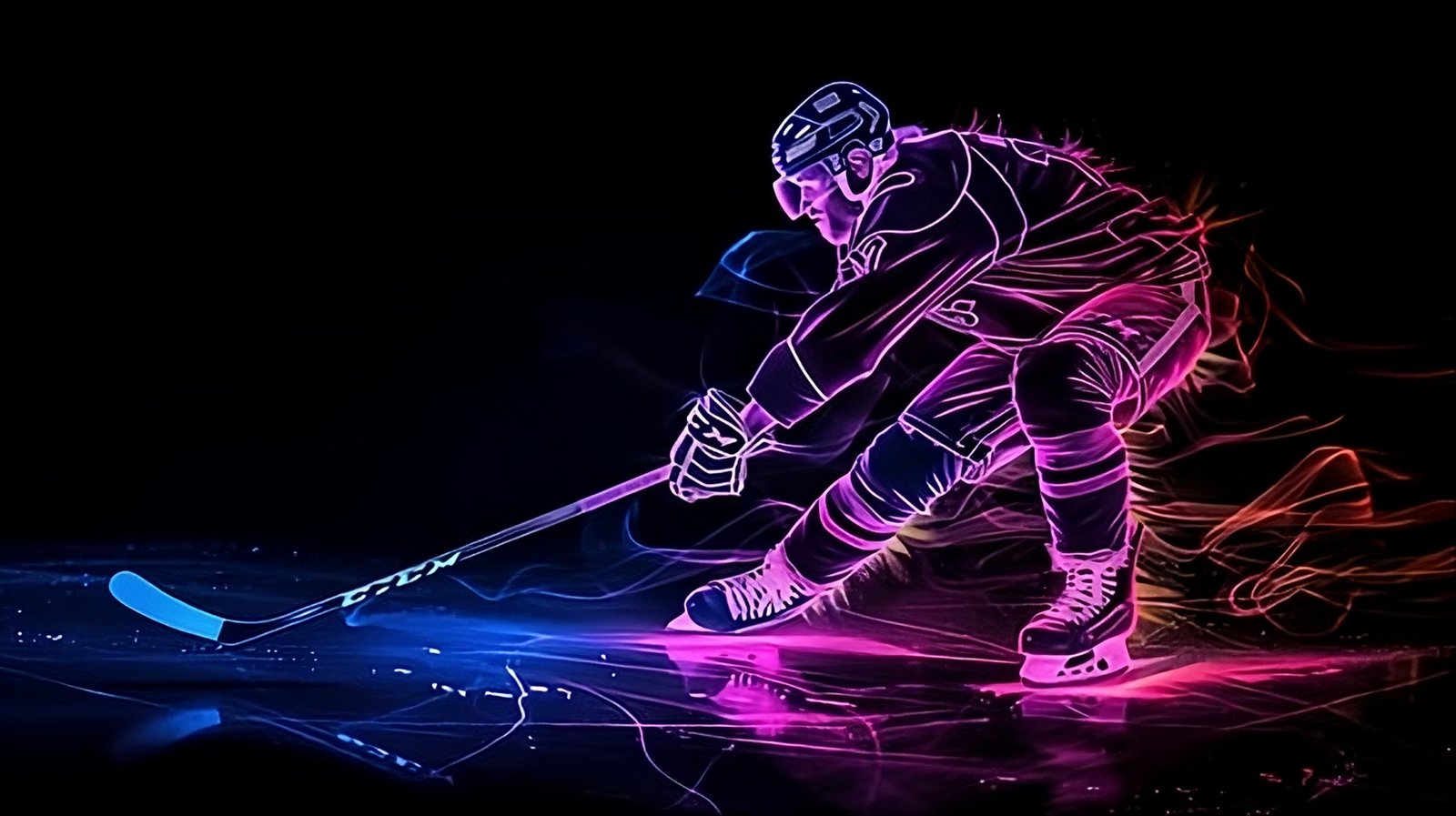
Men's ice hockey is a fast, physically intense team sport played on an ice rink. The objective is simple: two teams of six skaters use sticks to shoot a hard rubber puck into the opponent's goal. It is renowned for its combination of raw speed, skilled play, and controlled physicality.
  • PBID: 0099001600003359
  • 1 persone piace questo elemento
  • 412 Articoli
  • 367 Foto
  • 0 Video
  • Anteprima
  • Sport
Cerca
Post Bloccato
Love
1
0 Commenti 0 condivisioni 229 Views 0 Anteprima
Aggiornamenti recenti
  • Backchecking Discipline


    Backchecking is the defensive effort players make when returning to their own zone after losing puck possession. Strong backchecking prevents odd-man rushes and supports defensive structure during transitions. Players must skate hard, maintain awareness, and identify dangerous offensive threats quickly. Effective backcheckers use stick positioning and body angles to disrupt passing lanes and slow attacks. Coaches emphasize hustle, discipline, and positioning during backchecking drills. This skill demonstrates commitment to team defense and accountability.


    Elite forwards often become highly valuable because they contribute defensively as well as offensively. Backchecking requires conditioning since players must transition rapidly from offense to defense multiple times during a game. Proper timing and communication improve defensive recovery efficiency. Strong backchecking can force turnovers, create counterattacks, and relieve pressure on defensemen. Teams rely heavily on disciplined defensive effort from all players, not just defenders. Consistent backchecking also builds trust between teammates and coaching staff.


    Players who excel defensively often earn more ice time during critical moments. Backchecking remains essential for maintaining balance and competitiveness in modern hockey systems.


    #Backchecking #TeamDefense #IceHockey #DefensiveEffort #TransitionDefense #HockeyDiscipline #TwoWayPlayer #HockeyConditioning #NHLForward #CompetitiveSpirit

    Backchecking DisciplineBackchecking is the defensive effort players make when returning to their own zone after losing puck possession. Strong backchecking prevents odd-man rushes and supports defensive structure during transitions. Players must skate hard, maintain awareness, and identify dangerous offensive threats quickly. Effective backcheckers use stick positioning and body angles to disrupt passing lanes and slow attacks. Coaches emphasize hustle, discipline, and positioning during backchecking drills. This skill demonstrates commitment to team defense and accountability. Elite forwards often become highly valuable because they contribute defensively as well as offensively. Backchecking requires conditioning since players must transition rapidly from offense to defense multiple times during a game. Proper timing and communication improve defensive recovery efficiency. Strong backchecking can force turnovers, create counterattacks, and relieve pressure on defensemen. Teams rely heavily on disciplined defensive effort from all players, not just defenders. Consistent backchecking also builds trust between teammates and coaching staff. Players who excel defensively often earn more ice time during critical moments. Backchecking remains essential for maintaining balance and competitiveness in modern hockey systems. #Backchecking #TeamDefense #IceHockey #DefensiveEffort #TransitionDefense #HockeyDiscipline #TwoWayPlayer #HockeyConditioning #NHLForward #CompetitiveSpirit
    0 Commenti 0 condivisioni 569 Views 0 Anteprima
  • Forechecking Pressure


    Forechecking is an aggressive hockey strategy focused on applying pressure in the offensive zone to force turnovers and disrupt opponent breakouts. Skilled forecheckers combine speed, anticipation, and physicality to challenge defenders immediately after puck loss. Effective forechecking creates scoring opportunities by forcing rushed decisions and defensive mistakes.


    Players must understand angles, timing, and team systems to execute pressure efficiently. Coaches often assign roles within forechecking formations to maintain structure while attacking the puck carrier. Strong forechecking also wears down opposing defensemen physically and mentally over time. Players use stick positioning and body contact strategically to limit passing options. Successful forechecking requires relentless effort, conditioning, and discipline because players must recover quickly if pressure fails.


    Teams that forecheck aggressively often control momentum and territorial advantage. Communication between teammates is critical to maintain support and avoid defensive vulnerability. Elite hockey teams rely heavily on organized forechecking to generate offensive pressure consistently. Developing forechecking ability improves competitiveness, work ethic, and defensive transition awareness. It remains a key component of modern fast-paced hockey systems.


    #Forechecking #IceHockey #OffensivePressure #HockeySystems #PuckPressure #AggressivePlay #HockeyTraining #TransitionGame #NHLStyle #CompetitiveHockey

    Forechecking PressureForechecking is an aggressive hockey strategy focused on applying pressure in the offensive zone to force turnovers and disrupt opponent breakouts. Skilled forecheckers combine speed, anticipation, and physicality to challenge defenders immediately after puck loss. Effective forechecking creates scoring opportunities by forcing rushed decisions and defensive mistakes. Players must understand angles, timing, and team systems to execute pressure efficiently. Coaches often assign roles within forechecking formations to maintain structure while attacking the puck carrier. Strong forechecking also wears down opposing defensemen physically and mentally over time. Players use stick positioning and body contact strategically to limit passing options. Successful forechecking requires relentless effort, conditioning, and discipline because players must recover quickly if pressure fails. Teams that forecheck aggressively often control momentum and territorial advantage. Communication between teammates is critical to maintain support and avoid defensive vulnerability. Elite hockey teams rely heavily on organized forechecking to generate offensive pressure consistently. Developing forechecking ability improves competitiveness, work ethic, and defensive transition awareness. It remains a key component of modern fast-paced hockey systems. #Forechecking #IceHockey #OffensivePressure #HockeySystems #PuckPressure #AggressivePlay #HockeyTraining #TransitionGame #NHLStyle #CompetitiveHockey
    0 Commenti 0 condivisioni 473 Views 0 Anteprima
  • Shot Blocking


    Shot blocking is a courageous defensive skill that prevents scoring chances and protects the goaltender. Players position their bodies strategically to intercept shots before they reach the net. Effective shot blockers read shooting lanes quickly and react without hesitation. Proper technique includes lowering the body, keeping balance, and using equipment safely to absorb impact. Shot blocking requires bravery, timing, and strong defensive awareness. Coaches teach players to angle themselves properly while minimizing injury risk.


    Defensemen frequently use this skill during penalty kills and late-game defensive situations. Successful shot blocks can disrupt offensive momentum and energize teammates. Players also learn when not to overcommit because reckless blocking attempts may create dangerous rebounds or missed coverage assignments. Strong shot blockers sacrifice personal comfort for team success and defensive stability. Conditioning and protective gear play important roles in maintaining confidence during shot-blocking situations.


    Teams highly respect players willing to make physical sacrifices to prevent goals. Consistent shot blocking reflects commitment, toughness, and defensive responsibility. It remains one of hockey’s most respected defensive contributions at every competitive level.


    #ShotBlocking #DefenseFirst #IceHockey #PenaltyKill #DefensiveSkills #HockeyToughness #TeamDefense #ShotBlocker #HockeyWarrior #NHLDefense

    Shot BlockingShot blocking is a courageous defensive skill that prevents scoring chances and protects the goaltender. Players position their bodies strategically to intercept shots before they reach the net. Effective shot blockers read shooting lanes quickly and react without hesitation. Proper technique includes lowering the body, keeping balance, and using equipment safely to absorb impact. Shot blocking requires bravery, timing, and strong defensive awareness. Coaches teach players to angle themselves properly while minimizing injury risk. Defensemen frequently use this skill during penalty kills and late-game defensive situations. Successful shot blocks can disrupt offensive momentum and energize teammates. Players also learn when not to overcommit because reckless blocking attempts may create dangerous rebounds or missed coverage assignments. Strong shot blockers sacrifice personal comfort for team success and defensive stability. Conditioning and protective gear play important roles in maintaining confidence during shot-blocking situations. Teams highly respect players willing to make physical sacrifices to prevent goals. Consistent shot blocking reflects commitment, toughness, and defensive responsibility. It remains one of hockey’s most respected defensive contributions at every competitive level. #ShotBlocking #DefenseFirst #IceHockey #PenaltyKill #DefensiveSkills #HockeyToughness #TeamDefense #ShotBlocker #HockeyWarrior #NHLDefense
    0 Commenti 0 condivisioni 360 Views 0 Anteprima
  • Communication on Ice


    Communication is a vital skill that improves teamwork, coordination, and decision-making during hockey games. Players constantly exchange verbal and nonverbal signals to organize positioning, defensive coverage, and offensive attacks. Effective communication helps teammates react quickly during fast transitions and high-pressure situations. Defensemen communicate breakout options, while forwards signal passing lanes and scoring opportunities. Goalies also direct defensive traffic and alert teammates to incoming pressure.


    Strong communication reduces confusion and improves overall team chemistry. Players use stick taps, eye contact, and vocal commands to coordinate movement efficiently. Coaches emphasize communication during practice to strengthen trust and awareness among teammates. Teams with excellent communication typically maintain better structure and discipline throughout games. Clear communication also helps prevent defensive breakdowns and improves line changes. Leadership qualities often emerge from players who communicate confidently and consistently.


    Hockey is an extremely fast sport, so rapid information sharing becomes essential for success. Teams rely on strong communication to execute systems effectively and maintain competitive consistency. Developing communication skills improves both individual confidence and overall team performance.


    #TeamCommunication #IceHockey #Leadership #Teamwork #HockeyIQ #OnIceCommunication #SportsLeadership #DefensiveCoverage #TeamChemistry #HockeySkills

    Communication on IceCommunication is a vital skill that improves teamwork, coordination, and decision-making during hockey games. Players constantly exchange verbal and nonverbal signals to organize positioning, defensive coverage, and offensive attacks. Effective communication helps teammates react quickly during fast transitions and high-pressure situations. Defensemen communicate breakout options, while forwards signal passing lanes and scoring opportunities. Goalies also direct defensive traffic and alert teammates to incoming pressure. Strong communication reduces confusion and improves overall team chemistry. Players use stick taps, eye contact, and vocal commands to coordinate movement efficiently. Coaches emphasize communication during practice to strengthen trust and awareness among teammates. Teams with excellent communication typically maintain better structure and discipline throughout games. Clear communication also helps prevent defensive breakdowns and improves line changes. Leadership qualities often emerge from players who communicate confidently and consistently. Hockey is an extremely fast sport, so rapid information sharing becomes essential for success. Teams rely on strong communication to execute systems effectively and maintain competitive consistency. Developing communication skills improves both individual confidence and overall team performance. #TeamCommunication #IceHockey #Leadership #Teamwork #HockeyIQ #OnIceCommunication #SportsLeadership #DefensiveCoverage #TeamChemistry #HockeySkills
    0 Commenti 0 condivisioni 309 Views 0 Anteprima
  • Puck Protection


    Puck protection is the ability to maintain possession while under pressure from defenders. Skilled hockey players use body positioning, stick placement, and skating angles to shield the puck effectively. Strong puck protection allows teams to sustain offensive pressure and reduce turnovers. Players often use their hips, shoulders, and legs to keep opponents away from the puck while maintaining balance.


    Effective puck protection requires strength, edge control, and awareness of surrounding space. Coaches teach players to keep the puck on the outside away from defenders while using quick turns and acceleration to escape pressure. This skill is particularly important along the boards and during offensive-zone cycling. Elite players can hold possession even against aggressive physical defense.


    Puck protection creates time and space for passing opportunities, shooting chances, and line changes. It also improves confidence under pressure because players feel more comfortable handling contact situations. Strength training and balance exercises contribute significantly to effective puck protection. Teams rely heavily on players who can control possession during critical moments and maintain offensive momentum. Developing this skill improves overall offensive consistency and game management.


    #PuckProtection #IceHockey #PossessionGame #HockeyStrength #BoardBattle #HockeySkills #OffensiveControl #NHLTraining #PuckHandling #CompetitiveHockey

    Puck ProtectionPuck protection is the ability to maintain possession while under pressure from defenders. Skilled hockey players use body positioning, stick placement, and skating angles to shield the puck effectively. Strong puck protection allows teams to sustain offensive pressure and reduce turnovers. Players often use their hips, shoulders, and legs to keep opponents away from the puck while maintaining balance. Effective puck protection requires strength, edge control, and awareness of surrounding space. Coaches teach players to keep the puck on the outside away from defenders while using quick turns and acceleration to escape pressure. This skill is particularly important along the boards and during offensive-zone cycling. Elite players can hold possession even against aggressive physical defense. Puck protection creates time and space for passing opportunities, shooting chances, and line changes. It also improves confidence under pressure because players feel more comfortable handling contact situations. Strength training and balance exercises contribute significantly to effective puck protection. Teams rely heavily on players who can control possession during critical moments and maintain offensive momentum. Developing this skill improves overall offensive consistency and game management. #PuckProtection #IceHockey #PossessionGame #HockeyStrength #BoardBattle #HockeySkills #OffensiveControl #NHLTraining #PuckHandling #CompetitiveHockey
    0 Commenti 0 condivisioni 308 Views 0 Anteprima
  • Agility & Edge Control


    Agility and edge control are fundamental skating abilities that allow hockey players to maneuver efficiently in all directions. Elite skaters use inside and outside edges to turn sharply, stop quickly, accelerate explosively, and maintain balance during high-speed movements. Strong edge control improves puck protection, defensive recovery, and offensive creativity.


    Players train with crossover drills, tight turns, pivots, and balance exercises to strengthen skating precision. Agility becomes especially important during one-on-one situations and rapid transitions. Skilled skaters can evade defenders while maintaining speed and puck possession. Proper edge work also enhances stability during physical contact and sudden directional changes. Coaches emphasize knee bend, weight distribution, and ankle flexibility to maximize control. Modern hockey demands exceptional mobility because the game is faster and more dynamic than ever before.


    Players who move efficiently conserve energy and react more effectively during shifts. Agility training also reduces injury risk by improving coordination and balance. Teams value agile skaters because they adapt quickly to changing situations and maintain strong performance throughout the game. Developing edge control is essential for players aiming to compete at elite hockey levels.


    #Agility #EdgeControl #IceHockey #PowerSkating #Mobility #HockeyTraining #SkatingSkills #Balance #AthleticPerformance #NHLPlayer

    Agility & Edge ControlAgility and edge control are fundamental skating abilities that allow hockey players to maneuver efficiently in all directions. Elite skaters use inside and outside edges to turn sharply, stop quickly, accelerate explosively, and maintain balance during high-speed movements. Strong edge control improves puck protection, defensive recovery, and offensive creativity. Players train with crossover drills, tight turns, pivots, and balance exercises to strengthen skating precision. Agility becomes especially important during one-on-one situations and rapid transitions. Skilled skaters can evade defenders while maintaining speed and puck possession. Proper edge work also enhances stability during physical contact and sudden directional changes. Coaches emphasize knee bend, weight distribution, and ankle flexibility to maximize control. Modern hockey demands exceptional mobility because the game is faster and more dynamic than ever before. Players who move efficiently conserve energy and react more effectively during shifts. Agility training also reduces injury risk by improving coordination and balance. Teams value agile skaters because they adapt quickly to changing situations and maintain strong performance throughout the game. Developing edge control is essential for players aiming to compete at elite hockey levels. #Agility #EdgeControl #IceHockey #PowerSkating #Mobility #HockeyTraining #SkatingSkills #Balance #AthleticPerformance #NHLPlayer
    0 Commenti 0 condivisioni 268 Views 0 Anteprima
  • Hockey Vision & Awareness


    Hockey vision refers to a player’s ability to read the game, anticipate plays, and make intelligent decisions under pressure. Elite players constantly scan the ice to identify open teammates, defensive weaknesses, and scoring opportunities before they fully develop. Strong awareness improves passing accuracy, positioning, transition play, and puck management.


    Players with exceptional vision can slow the game mentally even when the physical pace remains extremely fast. This skill requires concentration, anticipation, and experience gained through continuous gameplay. Coaches often encourage players to keep their heads up and process information quickly while handling the puck. Great hockey vision allows players to create plays others cannot see. It also improves defensive anticipation and breakout execution. Film study, reaction drills, and situational exercises help develop game awareness.


    Players who understand spacing and timing contribute more effectively in all zones of the ice. Hockey vision separates elite playmakers from ordinary players because it combines intelligence with technical execution. Teams highly value players who consistently make smart decisions and elevate team performance through superior awareness and creativity.


    #HockeyVision #IceHockey #GameAwareness #HockeyIQ #Playmaking #DecisionMaking #ElitePlayer #SportsIntelligence #PuckAwareness #NHLSkills

    Hockey Vision & AwarenessHockey vision refers to a player’s ability to read the game, anticipate plays, and make intelligent decisions under pressure. Elite players constantly scan the ice to identify open teammates, defensive weaknesses, and scoring opportunities before they fully develop. Strong awareness improves passing accuracy, positioning, transition play, and puck management. Players with exceptional vision can slow the game mentally even when the physical pace remains extremely fast. This skill requires concentration, anticipation, and experience gained through continuous gameplay. Coaches often encourage players to keep their heads up and process information quickly while handling the puck. Great hockey vision allows players to create plays others cannot see. It also improves defensive anticipation and breakout execution. Film study, reaction drills, and situational exercises help develop game awareness. Players who understand spacing and timing contribute more effectively in all zones of the ice. Hockey vision separates elite playmakers from ordinary players because it combines intelligence with technical execution. Teams highly value players who consistently make smart decisions and elevate team performance through superior awareness and creativity. #HockeyVision #IceHockey #GameAwareness #HockeyIQ #Playmaking #DecisionMaking #ElitePlayer #SportsIntelligence #PuckAwareness #NHLSkills
    0 Commenti 0 condivisioni 226 Views 0 Anteprima
  • Faceoff Technique


    Faceoff technique is a specialized hockey skill that determines puck possession at critical moments of the game. Winning faceoffs gives teams immediate control and can influence offensive opportunities, defensive setups, and power-play execution. Centers focus on hand speed, stick positioning, timing, and lower-body balance to gain an advantage during draws. Elite faceoff players study opponent tendencies and adjust strategies accordingly. Different faceoff methods include tie-ups, pulls, quick wins, and directional draws.


    Strong communication with teammates is important because faceoff success often depends on coordinated support after the puck drop. Coaches emphasize reaction speed and wrist strength during training sessions. Faceoffs are especially important during late-game situations, penalty kills, and offensive-zone opportunities. Winning a key draw can directly lead to scoring chances or defensive clearances.


    Players also learn situational awareness to understand where possession should be directed depending on game circumstances. Great faceoff specialists provide strategic value and improve team puck control percentages. Consistent success in the faceoff circle reflects discipline, preparation, and competitive focus. Teams rely heavily on centers who can dominate possession battles throughout the game.


    #Faceoff #CenterPosition #IceHockey #PuckPossession #HockeySkills #FaceoffSpecialist #NHLCenter #GameStrategy #HockeyIQ #CompetitiveEdge

    Faceoff TechniqueFaceoff technique is a specialized hockey skill that determines puck possession at critical moments of the game. Winning faceoffs gives teams immediate control and can influence offensive opportunities, defensive setups, and power-play execution. Centers focus on hand speed, stick positioning, timing, and lower-body balance to gain an advantage during draws. Elite faceoff players study opponent tendencies and adjust strategies accordingly. Different faceoff methods include tie-ups, pulls, quick wins, and directional draws. Strong communication with teammates is important because faceoff success often depends on coordinated support after the puck drop. Coaches emphasize reaction speed and wrist strength during training sessions. Faceoffs are especially important during late-game situations, penalty kills, and offensive-zone opportunities. Winning a key draw can directly lead to scoring chances or defensive clearances. Players also learn situational awareness to understand where possession should be directed depending on game circumstances. Great faceoff specialists provide strategic value and improve team puck control percentages. Consistent success in the faceoff circle reflects discipline, preparation, and competitive focus. Teams rely heavily on centers who can dominate possession battles throughout the game. #Faceoff #CenterPosition #IceHockey #PuckPossession #HockeySkills #FaceoffSpecialist #NHLCenter #GameStrategy #HockeyIQ #CompetitiveEdge
    0 Commenti 0 condivisioni 231 Views 0 Anteprima
  • Body Checking


    Body checking is a physical skill used to separate opponents from the puck and establish physical dominance during play. Proper checking technique combines timing, balance, shoulder contact, and skating power to deliver effective legal hits. Players must keep their heads up and maintain body control to avoid dangerous collisions or penalties.


    Strong body checking can disrupt offensive momentum, create turnovers, and energize teammates and fans. Effective checkers understand angles and use the boards strategically to limit opponent movement. Coaches teach players to lead with the shoulder, keep elbows down, and maintain proper posture during contact. Strength training, core stability, and balance exercises help players improve checking effectiveness and durability. Body checking also requires mental toughness because physical hockey demands confidence and aggression.


    Smart players know when to apply pressure and when to avoid unnecessary hits that compromise positioning. In professional hockey, physicality plays a major role in playoff intensity and defensive success. Teams value players who combine physical strength with discipline and control. Properly executed body checks can change the pace of a game and create psychological advantages over opponents.


    #BodyChecking #PhysicalHockey #IceHockey #HockeyHit #DefensivePlay #AggressivePlay #HockeyStrength #NHLDefense #ContactSport #HockeyTraining

    Body CheckingBody checking is a physical skill used to separate opponents from the puck and establish physical dominance during play. Proper checking technique combines timing, balance, shoulder contact, and skating power to deliver effective legal hits. Players must keep their heads up and maintain body control to avoid dangerous collisions or penalties. Strong body checking can disrupt offensive momentum, create turnovers, and energize teammates and fans. Effective checkers understand angles and use the boards strategically to limit opponent movement. Coaches teach players to lead with the shoulder, keep elbows down, and maintain proper posture during contact. Strength training, core stability, and balance exercises help players improve checking effectiveness and durability. Body checking also requires mental toughness because physical hockey demands confidence and aggression. Smart players know when to apply pressure and when to avoid unnecessary hits that compromise positioning. In professional hockey, physicality plays a major role in playoff intensity and defensive success. Teams value players who combine physical strength with discipline and control. Properly executed body checks can change the pace of a game and create psychological advantages over opponents. #BodyChecking #PhysicalHockey #IceHockey #HockeyHit #DefensivePlay #AggressivePlay #HockeyStrength #NHLDefense #ContactSport #HockeyTraining
    0 Commenti 0 condivisioni 171 Views 0 Anteprima
  • Defensive Positioning


    Defensive positioning is one of the most important skills for preventing scoring opportunities and maintaining team structure. Strong positioning allows players to block passing lanes, force opponents into low-danger areas, and support teammates effectively. Defensemen and forwards alike must understand gap control, angling, and spatial awareness.


    Elite defenders read offensive patterns quickly and anticipate puck movement before plays develop. Proper body positioning helps separate opponents from the puck without taking penalties. Players also use stick placement to disrupt passing lanes and limit shooting opportunities. Effective positioning requires discipline, communication, and strong skating fundamentals. Coaches emphasize defensive zone coverage, neutral-zone structure, and transition awareness during training. Players who maintain good positioning reduce defensive breakdowns and improve team stability.


    Strong defenders stay patient instead of chasing the puck unnecessarily. They force attackers into predictable decisions and protect the front of the net. Defensive positioning also supports successful penalty killing and late-game protection strategies. Hockey teams rely heavily on disciplined defensive players to maintain consistency and control momentum. Developing this skill improves overall game intelligence and makes players more reliable in high-pressure situations.


    #DefensiveSkills #IceHockey #Defenseman #GapControl #HockeyIQ #Positioning #PenaltyKill #TeamDefense #HockeyTraining #DefensiveZone

    Defensive PositioningDefensive positioning is one of the most important skills for preventing scoring opportunities and maintaining team structure. Strong positioning allows players to block passing lanes, force opponents into low-danger areas, and support teammates effectively. Defensemen and forwards alike must understand gap control, angling, and spatial awareness. Elite defenders read offensive patterns quickly and anticipate puck movement before plays develop. Proper body positioning helps separate opponents from the puck without taking penalties. Players also use stick placement to disrupt passing lanes and limit shooting opportunities. Effective positioning requires discipline, communication, and strong skating fundamentals. Coaches emphasize defensive zone coverage, neutral-zone structure, and transition awareness during training. Players who maintain good positioning reduce defensive breakdowns and improve team stability. Strong defenders stay patient instead of chasing the puck unnecessarily. They force attackers into predictable decisions and protect the front of the net. Defensive positioning also supports successful penalty killing and late-game protection strategies. Hockey teams rely heavily on disciplined defensive players to maintain consistency and control momentum. Developing this skill improves overall game intelligence and makes players more reliable in high-pressure situations. #DefensiveSkills #IceHockey #Defenseman #GapControl #HockeyIQ #Positioning #PenaltyKill #TeamDefense #HockeyTraining #DefensiveZone
    0 Commenti 0 condivisioni 93 Views 0 Anteprima
  • Passing Precision


    Passing precision is essential for maintaining puck possession and creating scoring opportunities in fast-paced hockey games. Accurate passes allow teams to execute offensive plays smoothly and maintain control during transitions. Players must develop forehand, backhand, saucer, and touch passes to adapt to different situations on the ice. Successful passing requires strong awareness, timing, and communication with teammates. Elite playmakers anticipate movement patterns and deliver the puck into space before teammates arrive.


    Quick and precise passing is especially valuable during power plays, odd-man rushes, and breakouts from the defensive zone. Players practice passing through small targets, under pressure, and while skating at game speed. Good passing reduces turnovers and increases offensive efficiency. It also strengthens team chemistry and puck movement flow. Modern hockey systems rely heavily on rapid puck circulation to create defensive breakdowns. Players with excellent passing ability often control the tempo of the game and generate scoring chances consistently.


    Precision passing reflects hockey intelligence, vision, and composure under pressure. Teams depend on skilled passers to organize offensive attacks and sustain possession in competitive situations.


    #PassingSkills #Playmaker #IceHockey #HockeyIQ #PuckMovement #SaucerPass #AssistLeader #Teamwork #HockeyTraining #NHLPlaymaker

    Passing PrecisionPassing precision is essential for maintaining puck possession and creating scoring opportunities in fast-paced hockey games. Accurate passes allow teams to execute offensive plays smoothly and maintain control during transitions. Players must develop forehand, backhand, saucer, and touch passes to adapt to different situations on the ice. Successful passing requires strong awareness, timing, and communication with teammates. Elite playmakers anticipate movement patterns and deliver the puck into space before teammates arrive. Quick and precise passing is especially valuable during power plays, odd-man rushes, and breakouts from the defensive zone. Players practice passing through small targets, under pressure, and while skating at game speed. Good passing reduces turnovers and increases offensive efficiency. It also strengthens team chemistry and puck movement flow. Modern hockey systems rely heavily on rapid puck circulation to create defensive breakdowns. Players with excellent passing ability often control the tempo of the game and generate scoring chances consistently. Precision passing reflects hockey intelligence, vision, and composure under pressure. Teams depend on skilled passers to organize offensive attacks and sustain possession in competitive situations. #PassingSkills #Playmaker #IceHockey #HockeyIQ #PuckMovement #SaucerPass #AssistLeader #Teamwork #HockeyTraining #NHLPlaymaker
    0 Commenti 0 condivisioni 96 Views 0 Anteprima
  • Accurate Shooting


    Shooting accuracy is a critical offensive skill that separates average players from elite goal scorers in men’s ice hockey. Players must consistently place shots with precision while reacting quickly under defensive pressure. Wrist shots, slap shots, snap shots, and backhand shots all require different mechanics and timing. Accuracy depends on hand positioning, weight transfer, stick flex, and follow-through technique.


    Skilled shooters aim for high-percentage scoring areas such as corners, five-hole openings, or rebounds created near the crease. Elite scorers can release the puck quickly without sacrificing precision, making it difficult for goaltenders to react. Shooting drills often involve target practice, quick-release repetitions, shooting in motion, and scoring from multiple angles. Players also learn how to disguise shot intentions to deceive defenders and goalies. Accuracy becomes even more important during power plays and close games where limited scoring opportunities exist.


    Consistent shooting practice develops muscle memory, confidence, and offensive instincts. Great shooters combine vision, timing, and puck placement to maximize scoring efficiency. Teams highly value players who can finish chances reliably because accurate shooting directly impacts offensive production and game outcomes.


    #HockeyShooting #GoalScorer #IceHockey #WristShot #SlapShot #SnapShot #ShootingAccuracy #HockeySkills #Offense #NHLGoals

    Accurate ShootingShooting accuracy is a critical offensive skill that separates average players from elite goal scorers in men’s ice hockey. Players must consistently place shots with precision while reacting quickly under defensive pressure. Wrist shots, slap shots, snap shots, and backhand shots all require different mechanics and timing. Accuracy depends on hand positioning, weight transfer, stick flex, and follow-through technique. Skilled shooters aim for high-percentage scoring areas such as corners, five-hole openings, or rebounds created near the crease. Elite scorers can release the puck quickly without sacrificing precision, making it difficult for goaltenders to react. Shooting drills often involve target practice, quick-release repetitions, shooting in motion, and scoring from multiple angles. Players also learn how to disguise shot intentions to deceive defenders and goalies. Accuracy becomes even more important during power plays and close games where limited scoring opportunities exist. Consistent shooting practice develops muscle memory, confidence, and offensive instincts. Great shooters combine vision, timing, and puck placement to maximize scoring efficiency. Teams highly value players who can finish chances reliably because accurate shooting directly impacts offensive production and game outcomes. #HockeyShooting #GoalScorer #IceHockey #WristShot #SlapShot #SnapShot #ShootingAccuracy #HockeySkills #Offense #NHLGoals
    0 Commenti 0 condivisioni 96 Views 0 Anteprima
Altre storie
Talkfever - Growing worldwide https://talkfever.com