English
 Arabic
 French
 Spanish
 Portuguese
 Deutsch
 Turkish
 Dutch
Dutch
 Italiano
 Russian
 Romaian
 Portuguese (Brazil)
 Greek
Greek
yy gaming|全方位線上娛樂新體驗,打造安全、穩定、專業的遊戲平台
Sports |
2026-02-13 09:32:24
 Social Networth OS
 Creator Commerce
 Launch Startup
 Global News
 Creator Award
 Talkfever App
Mostra tutti i risultati
Talkfever App
Mostra tutti i risultati

Passa a Pro
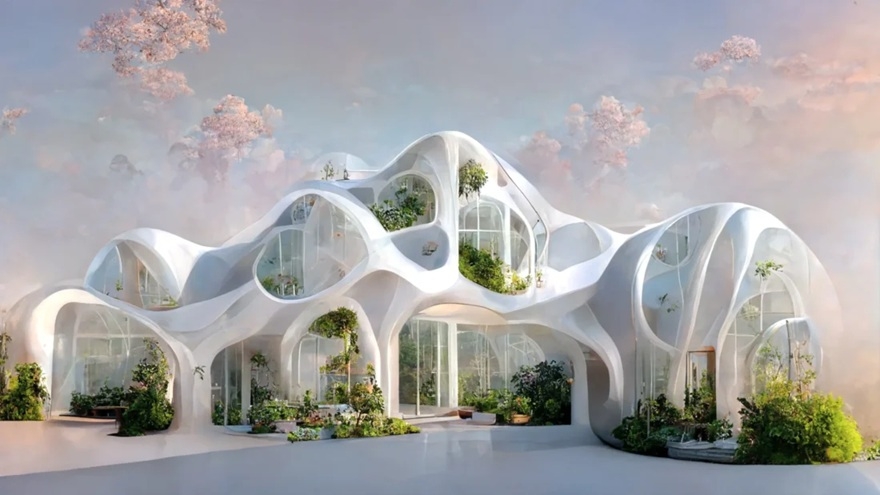
For centuries, architecture’s primary mandate was simple: to provide shelter. It was a discipline of walls and roofs, of enclosing space for human activity and protecting it from the elements. Today, that fundamental premise is no longer sufficient. In an era defined by climate crisis, resource scarcity, social inequity, and rapid technological change, society is rightfully demanding more of its built environment. Buildings are no longer passive containers; they are being re-envisioned as active participants in ecological, social, and economic systems. This shift from shelter to active agent defines the new architectural frontier. To meet this moment, the profession must adopt a series of core mandates that will redefine practice, drive growth, and unlock future revenue streams.
Mandate 1: Carbon Accountability, from Construction to Deconstruction
The most urgent demand is for climate responsibility. Architecture must move beyond operational efficiency (reducing energy used for heating, cooling, and lighting) to embrace full-lifecycle carbon accountability. This means:
Embodied Carbon as a Primary Metric: Specifying low-carbon materials like mass timber, low-carbon concrete, and recycled steel is no longer niche; it is foundational. The mandate is to design for disassembly, selecting materials that can be reused or sequester carbon, turning buildings into material banks for the future.
How to Implement: Utilize tools like Environmental Product Declarations (EPDs) and whole-building Life Cycle Assessment (LCA) software from the earliest design stages. Partner with engineers and material scientists.
Growth & Future Revenue: This creates a premium market for carbon-negative design services, specialized material consultancy, and post-occupancy verification. Firms leading in this space can command higher fees for delivering measurable environmental value and de-risking projects against future carbon taxes and regulations.
Mandate 2: Regenerative and Biophilic Integration
The next step beyond sustainability is regeneration—architecture that actively repairs and nourishes its ecological context. Coupled with this is a non-negotiable focus on human health through biophilic design.
Living Systems, Not Just Landscaping: This mandate calls for buildings that manage their own water through rainwater harvesting and greywater systems, generate more energy than they consume, support biodiversity with green roofs and pollinator habitats, and improve air quality.
Deep Biophilia: It’s more than a plant in a corner. It is the strategic use of natural light, ventilation, materials, and spatial sequences that reduce stress, enhance cognitive function, and foster a visceral connection to nature.
How to Implement: Integrate landscape architects and ecologists into the core design team. Employ performance-based design contracts tied to health and wellness outcomes.
Growth & Future Revenue: This opens lucrative sectors in wellness real estate (pioneered by WELL and Fitwel certification), restorative urban design, and ecological consultancy. Developers of corporate, healthcare, and educational facilities are willing to invest in designs proven to boost productivity, reduce absenteeism, and improve recovery rates.
Mandate 3: Adaptive Reuse as the First Ethical Choice
In a resource-constrained world, the greenest building is often the one that already exists. The mandate for adaptive reuse transforms preservation from a historical nicety into a primary design strategy.
Circular Economy in Practice: This is architecture as creative, layered retrofit. It involves reimagining obsolete office towers, industrial warehouses, and even failing retail malls into vibrant housing, mixed-use communities, or cultural hubs.
How to Implement: Develop expertise in structural retrofit engineering, historical material analysis, and navigating the complex zoning and code challenges of existing structures.
Growth & Future Revenue: This sector is exploding. It requires a different, often more complex, skillset than greenfield development, allowing firms to differentiate themselves. Revenue streams expand to include feasibility studies, phased renovation planning, and specialized detailing for integrating new and old systems.
Mandate 4: Social Equity Through Spatial Justice
Architecture has profound power to include or exclude. The new mandate demands that designers actively combat spatial inequity.
Designing for All: This goes beyond basic accessibility codes to embrace Universal Design principles that serve people of all ages, abilities, and incomes. It means creating genuinely public spaces that are safe, welcoming, and free.
Affordability and Dignity: It involves innovating in cost-effective, high-quality housing typologies, advocating for inclusive zoning, and ensuring that new developments provide tangible community benefits rather than displacing existing residents.
How to Implement: Practice community-engaged design processes that involve future users from the start. Partner with non-profit developers and housing authorities.
Growth & Future Revenue: While some pro-bono work may be involved, this mandate builds immense social capital and brand integrity. It also aligns with large-scale public-sector and institutional projects (government housing, community centers, public infrastructure) that have stable funding streams and a growing focus on equitable outcomes.
Mandate 5: Technological Symbiosis: AI, Data, and Smart Buildings
The future building is a responsive organism, and technology is its nervous system. The mandate is not for gadgetry, but for thoughtful symbiosis.
AI-Enhanced Design: Using generative AI and machine learning to optimize building forms for energy performance, daylighting, and material efficiency in the design phase.
The Building as a Data Node: Integrating IoT sensors to create "smart" environments that continuously learn and adapt—adjusting heating, lighting, and space usage in real-time to maximize efficiency and comfort.
How to Implement: Foster hybrid talent, bringing data scientists and software analysts into the architectural studio. Develop partnerships with proptech (property technology) firms.
Growth & Future Revenue: This creates a new service layer: digital twin creation, building performance analytics, and long-term data management contracts. Architects can transition from delivering only a physical asset to providing an ongoing performance optimization service.
Mandate 6: Resilience and Antifragility
In the face of climate change and social upheaval, buildings must be designed not just to withstand shocks but to become assets during crisis—a concept known as antifragility.
Climate Hardening: Designing for specific regional threats: flood-proof foundations, wildfire-resistant materials, hurricane-resilient structures, and passive survivability (maintaining safe conditions during power outages).
Multi-Functional Community Infrastructure: A school that becomes an emergency cooling center; a parking garage with integrated floodwater retention; a community center with independent power and water.
How to Implement: Use predictive climate modeling and risk assessment tools. Engage with emergency management planners during the design process.
Growth & Future Revenue: Resilience is becoming a core component of insurance underwriting and municipal building codes. Firms with certified expertise can access funding from disaster mitigation grants and work with governments and institutions on critical infrastructure projects.
Conclusion: The Mandate for a New Profession
These six mandates—Carbon Accountability, Regenerative Integration, Adaptive Reuse, Spatial Justice, Technological Symbiosis, and Resilience—chart a course for architecture’s necessary evolution. This is not a call to abandon aesthetics or function, but to enrich them with profound responsibility and systems thinking.
For the architectural practice, embracing these mandates is the clear path to growth and future revenue. It moves the profession up the value chain, from providing commoditized drawing services to offering indispensable expertise in risk mitigation, human health, ecological performance, and social license to operate. The clients of the future—whether forward-thinking corporations, resilient cities, or community organizations—will seek out firms that can deliver on this broader definition of value.
Ultimately, to move "beyond shelter" is to accept that architecture is a deeply ethical and ecological act. The buildings we design today will either lock in problems for generations or become adaptive, regenerative assets that support a thriving, equitable, and resilient future. The world is demanding more. The most successful architects will be those who not only listen but lead the response.