English
 Arabic
 French
 Spanish
 Portuguese
 Deutsch
 Turkish
 Dutch
Dutch
 Italiano
 Russian
 Romaian
 Portuguese (Brazil)
 Greek
Greek
Are Your Grocery Carts Helping or Hindering Your Business?
Shopping |
2025-05-12 08:43:37
 Social Networth OS
 Creator Commerce
 Launch Startup
 Global News
 Creator Award
 Talkfever App
Ver Todos
Talkfever App
Ver Todos

Atualize para o Pro
In an era where stress and anxiety have become near-ubiquitous companions, the quest for calm often leads us to apps, therapists, and meditation cushions. While these are invaluable tools, we frequently overlook one of the most fundamental and powerful stress-fighting arsenals at our disposal: our own kitchen. The concept of "food as medicine" is ancient, but modern nutritional psychiatry provides robust scientific backing for it. What we eat directly influences our brain chemistry, hormone regulation, and inflammatory response—all key players in our stress and anxiety levels.
Welcome to the Calm-Down Kitchen. This isn't about a restrictive diet or magical pills; it’s about strategically incorporating specific, nutrient-dense "superfoods" that actively combat the physiological and psychological effects of stress. By understanding the "how" and "why," you can transform your meals into a daily practice of resilience.
To appreciate why these foods work, we must first understand the body's stress response. When stressed, our bodies release hormones like cortisol and adrenaline. While useful in acute "fight-or-flight" situations, chronic elevation of cortisol is damaging—it can disrupt sleep, increase blood pressure, suppress the immune system, and contribute to anxiety and depression.
Food fights stress through several key mechanisms:
Neurotransmitter Synthesis: The brain requires specific nutrients to produce "feel-good" neurotransmitters like serotonin (the mood regulator) and dopamine (the reward chemical). For instance, over 95% of serotonin is produced in the gut, influenced by what we eat.
Cortisol Regulation: Certain nutrients help modulate the body's cortisol output and support the adrenal glands, which produce stress hormones.
Inflammation Reduction: Chronic stress causes systemic inflammation, which is linked to anxiety and depression. Anti-inflammatory foods combat this cycle.
Blood Sugar Stabilization: Spikes and crashes in blood sugar can mimic or exacerbate feelings of anxiety—jitteriness, irritability, and mental fog. Foods that provide steady energy prevent this.
Gut-Brain Axis Support: The vast network of nerves, neurons, and microbiota in our gut (the "second brain") communicates directly with our actual brain. A healthy, diverse gut microbiome is strongly correlated with lower stress and improved mood.
Here are seven science-backed foods to stock in your calm-down kitchen, complete with their specific advantages and practical "how-to" tips.
1. Fatty Fish (Salmon, Mackerel, Sardines)
Why it Works: An unparalleled source of omega-3 fatty acids (EPA and DHA). These fats are critical brain-builders, reducing inflammation in the brain and promoting fluidity in cell membranes, facilitating better communication between brain cells. Studies show they can lower cortisol and adrenaline levels and reduce symptoms of anxiety.
How to Use: Aim for two 3.5-ounce servings per week. Grill, bake, or add canned salmon/sardines to salads or whole-grain crackers.
Advantages: Also excellent for heart health and cognitive function.
Disadvantages/Considerations: Potential for mercury contamination in larger fish (like king mackerel, swordfish). Opt for smaller, wild-caught varieties like sardines and Alaskan salmon.
2. Dark Leafy Greens (Spinach, Swiss Chard, Kale)
Why it Works: Packed with stress-busting magnesium. Magnesium is a mineral that acts as the body's natural relaxation aid. It helps regulate cortisol, supports healthy GABA (a calming neurotransmitter) function, and is often depleted during chronic stress. Deficiency is linked to increased anxiety.
How to Use: Add a large handful to smoothies (it becomes mild when blended), sauté with garlic as a side, or use as a nutrient-dense base for salads.
Advantages: Also rich in folate, which helps produce dopamine and serotonin.
Disadvantages/Considerations: Raw greens like kale can be tough on digestion for some. Lightly cooking them can make nutrients more bioavailable and easier to digest.
3. Fermented Foods (Yogurt, Kefir, Kimchi, Sauerkraut)
Why it Works: They are potent probiotics, feeding and diversifying your gut microbiome. A healthy gut directly influences the brain via the vagus nerve and the production of neurotransmitters, helping to dampen the body's stress response.
How to Use: Enjoy a daily serving: a cup of yogurt with berries, a small glass of kefir, or a tablespoon or two of kimchi/sauerkraut as a condiment.
Advantages: Improves overall digestive health and immune function.
Disadvantages/Considerations: Can cause initial bloating as the gut adjusts. Start with small amounts. Choose plain, unsweetened varieties to avoid added sugars.
4. Blueberries & Other Berries
Why it Works: These colorful gems are loaded with antioxidants, particularly flavonoids like anthocyanins. These compounds combat oxidative stress and inflammation in the brain, which are heightened during chronic anxiety. They also promote the growth of new brain cells (neurogenesis) and enhance brain plasticity.
How to Use: Add to oatmeal, yogurt, salads, or enjoy by the handful as a snack. Frozen berries are equally nutritious and cost-effective.
Advantages: Low in sugar compared to other fruits, high in fiber.
Disadvantages/Considerations: Generally none, but always wash thoroughly to remove pesticide residue.
5. Dark Chocolate (70% Cocoa or Higher)
Why it Works: A delicious source of magnesium and flavonoids. Dark chocolate has been shown to reduce levels of stress hormones like cortisol. It may also improve blood flow to the brain and provide a mild mood boost from compounds like theobromine and anandamide (the "bliss molecule").
How to Use: Savor 1-2 small squares (about 1 ounce) as a mindful treat. Look for minimal added sugar and high cocoa content.
Advantages: Can satisfy a sweet tooth in a healthier way.
Disadvantages/Considerations: High in calories and can trigger migraines in some. It's a treat, not a staple—moderation is key.
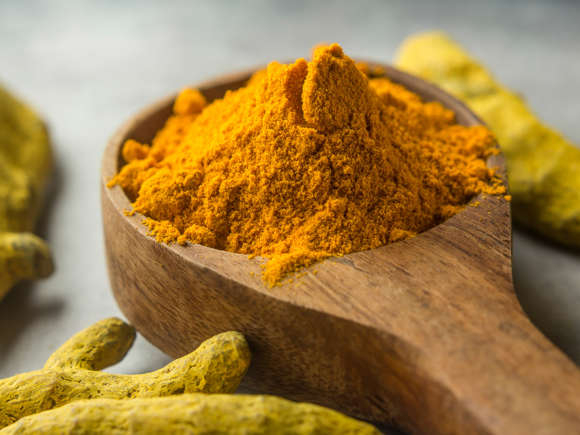
6. Turmeric
Why it Works: The active compound, curcumin, is a potent anti-inflammatory and antioxidant. It crosses the blood-brain barrier and has been shown in studies to lower anxiety by reducing inflammation and oxidative stress in the brain, similar to some pharmaceutical antidepressants.
How to Use: Add to curries, soups, scrambled eggs, or golden milk (turmeric latte). Crucial Tip: Always pair with black pepper, as its piperine increases curcumin absorption by 2000%.
Advantages: Offers broad anti-inflammatory benefits for the entire body.
Disadvantages/Considerations: Can be an acquired taste. High doses or supplements may interact with blood thinners; consult a doctor.
7. Pumpkin Seeds & Cashews
Why it Works: These nuts and seeds are miniature powerhouses of zinc and magnesium. Zinc is concentrated in the brain's emotion centers and is crucial for nerve signaling. Deficiency is linked to heightened anxiety. Cashews are also a good source of tryptophan, a precursor to serotonin.
How to Use: Sprinkle on salads, yogurt, or oatmeal, blend into nut butter, or enjoy a small handful (about ¼ cup) as a snack.
Advantages: Provide healthy fats, protein, and fiber for sustained energy.
Disadvantages/Considerations: Calorie-dense, so be mindful of portion sizes. Some people may have allergies.
Holistic & Foundational: Addresses the root physiological causes of stress (inflammation, nutrient deficiency, gut health).
Minimal Side Effects: When consumed as whole foods, the risk of negative side effects is very low compared to pharmaceuticals.
Synergistic Health Benefits: These foods also support heart health, cognitive function, immunity, and longevity.
Empowering: Puts a degree of control back into your hands as part of a daily self-care ritual.
Not a Standalone Cure: For clinical anxiety disorders, food is a powerful complementary tool but not a replacement for therapy or medication prescribed by a professional.
Time & Consistency: The effects are cumulative and require consistent dietary changes, not a one-time fix.
Individual Variability: Gut microbiome composition and genetics mean responses can vary from person to person.
Accessibility & Cost: Some items (like wild-caught salmon, organic berries) can be expensive or hard to find in certain areas.
Building a Calm-Down Kitchen is an act of proactive self-care. It’s a commitment to nourishing your brain and body with the specific nutrients they need to build resilience against the inevitable stresses of life. By regularly incorporating these seven foods—fatty fish, leafy greens, fermented foods, berries, dark chocolate, turmeric, and seeds—you are doing more than just eating. You are modulating hormones, quieting inflammation, feeding your second brain, and laying a biochemical foundation for calm.
Start small. Pick one or two foods from this list and find ways to enjoy them this week. Remember, this is not about dietary perfection; it’s about purposeful inclusion. Pair this nutritional strategy with other pillars of wellness—sleep, movement, social connection, and mindfulness—for a truly robust defense against stress and anxiety. Your journey to calm begins with your next meal.
Q1: How quickly will I notice a difference in my stress levels after eating these foods?
A: While some foods (like dark chocolate) may offer a subtle immediate mood lift due to compounds like theobromine, the significant stress-reducing benefits are cumulative. You may notice improved energy, sleep, and a sense of baseline calm within 2-4 weeks of consistent dietary changes, as inflammation decreases and nutrient levels are restored.
Q2: Can I just take supplements instead of changing my diet?
A: While supplements (like omega-3, magnesium, or curcumin) can be helpful in some cases, especially under a doctor's guidance, they are not a perfect substitute. Whole foods offer a complex matrix of fiber, antioxidants, and other phytonutrients that work synergistically—an effect hard to replicate with a pill. Food should be the foundation, with supplements as a potential adjunct.
Q3: Are there any foods I should avoid to reduce anxiety?
A: Absolutely. To support your calm-down kitchen, it's wise to limit or avoid:
Refined Sugars & Carbs: Cause blood sugar spikes and crashes, triggering anxiety-like symptoms.
Excessive Caffeine: Can increase heart rate, jitteriness, and disrupt sleep.
Alcohol: A depressant that initially relaxes but ultimately disrupts neurotransmitter balance and sleep architecture.
Highly Processed Foods: Often high in unhealthy fats, sugars, and additives that promote inflammation.
Q4: I don't like fish. How can I get omega-3s?
A: Plant-based sources of omega-3s (ALA) include flaxseeds, chia seeds, walnuts, and hemp seeds. However, the body must convert ALA to the active forms (EPA/DHA), and this process is inefficient. For a direct source, consider a high-quality algae-based omega-3 supplement, which provides EPA and DHA directly from the source fish get them from.
Q5: Is organic necessary for these foods?
A: While choosing organic can reduce pesticide exposure, it is not mandatory to gain the stress-fighting benefits. If budget is a concern, refer to the Environmental Working Group's "Clean Fifteen" and "Dirty Dozen" lists to prioritize. The most important step is simply incorporating these foods, organic or not, into your diet consistently.