 English
 Arabic
 French
 Spanish
 Portuguese
 Deutsch
 Turkish
 Dutch
Dutch
 Italiano
 Russian
 Romaian
 Portuguese (Brazil)
 Greek
Greek
Latest News: A2 Dairy Product Market Unveiling Growth Potential and Forecasted Outlook for 2025-2034
Other |
2025-03-11 04:16:20
 Social Networth OS
 Creator Commerce
 Launch Startup
 Global News
 Creator Award
 Talkfever App
TOON ALLES
Talkfever App
TOON ALLES

Upgrade to Pro
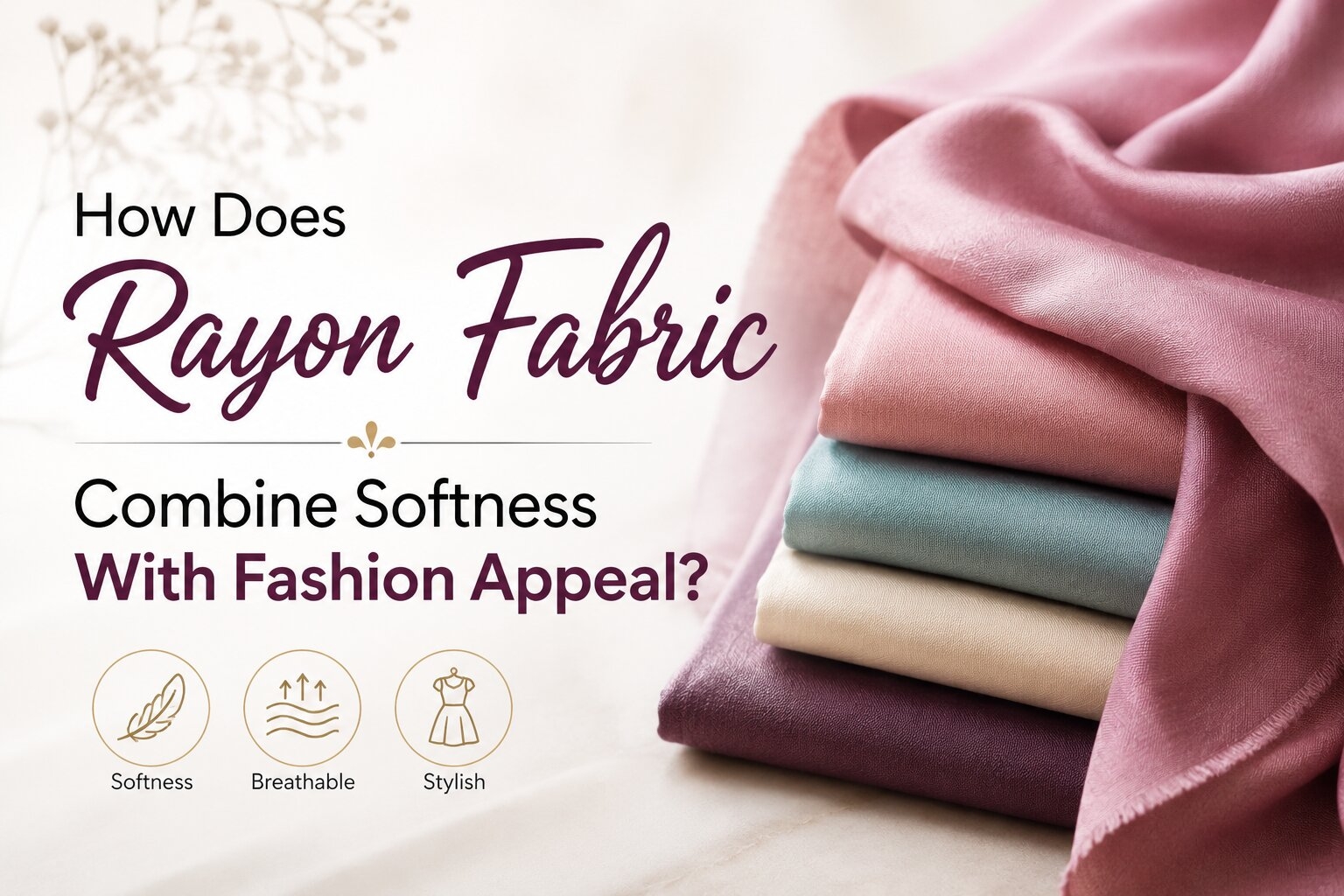
Textile manufacturers often look for materials that provide comfort without compromising appearance. Rayon is valued for its soft hand feel, smooth surface, fluid drape, and ability to work across different clothing styles. These characteristics have made it a popular choice for apparel ranging from lightweight blouses to dresses and skirts.
Its performance can vary according to the type of rayon, fibre processing, fabric construction, weight, and finishing. For businesses, understanding these factors can help determine where rayon fits best within an apparel collection.
Comfort is an important consideration when selecting textiles for apparel. Rayon can provide a soft and smooth feel that makes it suitable for garments worn directly against the skin.
Its ability to create lightweight and breathable fabric structures can also support comfortable clothing for everyday and seasonal use. Depending on the construction, rayon can feel cool and fluid against the body, making it particularly useful for garments designed with movement in mind.
Common applications include:
The final comfort level depends on fabric construction, garment design, finishing, and fibre blend, rather than rayon content alone.
One of rayon's strongest characteristics is its ability to create fabrics with an attractive drape. Instead of appearing rigid or overly structured, many rayon textiles fall naturally around the body.
This quality gives designers flexibility when developing flowing silhouettes, relaxed garments, and elegant styles.
Rayon can work particularly well for garments where movement is an important part of the design. Dresses, skirts, wide-leg trousers, and loose tops can benefit from its flowing character.
Many rayon fabrics have a smooth and soft surface that can provide a polished appearance. This makes them suitable for both casual and more refined fashion collections.
Rayon can also support a wide range of colours and printed designs. This allows manufacturers to develop seasonal collections with varied visual themes without changing the fundamental textile category.
The benefits of rayon fabric for clothing extend beyond softness. Its combination of drape, appearance, versatility, and dyeability can make it useful for manufacturers serving different apparel segments.
Important properties include:
These characteristics make rayon suitable for businesses seeking a textile that balances tactile comfort with visual appeal.
Rayon can adapt to a broad range of garment designs because it is available in different weights, textures, and constructions. Designers can select an appropriate variety depending on the desired silhouette and product positioning.
Rayon can be used for relaxed tops, shirts, dresses, and skirts. Its soft feel can make everyday garments more comfortable while its drape adds visual interest.
Certain rayon constructions can provide an elegant appearance suitable for dresses and other garments intended for events or special occasions.
Designers can use rayon with modern cuts, prints, layering, and asymmetrical silhouettes. Its fluid nature can complement fashion concepts where movement and softness are central to the design.
This versatility allows businesses to target different customer preferences using variations in colour, construction, weight, and garment design.
Not every rayon textile performs in the same way. Fabric weight can influence its drape, opacity, structure, seasonal suitability, and overall feel.
Lightweight rayon may be suitable for summer dresses, blouses, scarves, and flowing tops. Medium-weight constructions can provide more structure for trousers, skirts, and other garments requiring additional body.
Manufacturers should consider:
Selecting the appropriate specification can help manufacturers avoid performance issues during production and use.
Yes. Rayon can be blended with other fibres to combine its soft feel and drape with additional performance characteristics.
For example, rayon-polyester blends may provide improved durability and dimensional stability, while rayon-elastane constructions can introduce stretch for fitted clothing.
This combination can balance rayon's softness and fluid appearance with polyester's resistance to stretching and relatively easy-care properties. It may be suitable for commercial apparel where appearance and practicality are both important.
Adding elastane can improve stretch and recovery, making the fabric more suitable for garments that require flexibility and close-fitting silhouettes.
Blending should be selected according to the intended product rather than simply adding fibres for the sake of increasing performance.
Fashion businesses often need textiles that can support different colours, patterns, and seasonal themes. Rayon can be useful in this area because suitable rayon constructions can accept dyes effectively.
This provides manufacturers with considerable design flexibility. Solid shades can be used for minimalist collections, while printed versions can support floral, geometric, abstract, or other seasonal patterns.
Colour selection can also influence how the fabric's drape and surface appear. Darker shades may create a more refined visual effect, while lighter or brighter colours can produce a relaxed and expressive appearance.
For manufacturers, colour consistency between production batches is equally important. Variations in shade can affect finished garments and make it difficult to maintain a uniform collection.
Choosing the right supplier involves more than comparing prices. Businesses should assess technical specifications, material consistency, production capacity, delivery schedules, and quality control procedures.
Before placing a commercial order, buyers should confirm:
A clear specification sheet can make communication between buyers and suppliers more efficient.
A consistent textile supply is essential for businesses producing garments at commercial scale. Changes in colour, weight, width, texture, or finishing between orders can affect the appearance and performance of finished products.
Businesses should therefore develop relationships with suppliers capable of maintaining consistent specifications and communicating clearly throughout the purchasing process.
Avon Commercial provides textile sourcing options for businesses looking for materials suited to different manufacturing requirements. Working with a commercial supplier can help buyers coordinate product specifications, quantities, quality expectations, and delivery requirements more efficiently.
Long-term sourcing relationships may also support better production planning, recurring orders, quality communication, and supply continuity.
Rayon's combination of softness, drape, colour versatility, and adaptable construction continues to make it relevant to modern apparel production. Designers can use it for simple everyday garments as well as more expressive fashion pieces.
The material can also complement current preferences for relaxed silhouettes and comfortable clothing. By selecting suitable weights, blends, finishes, and colours, manufacturers can adapt rayon-based textiles to different seasons and customer segments.
Its versatility does not mean every rayon product is suitable for every application. Careful selection remains important because durability, shrinkage, moisture response, and maintenance requirements can vary between constructions.
Rayon is commonly used because it can offer softness, fluid drape, a smooth appearance, colour versatility, and lightweight constructions suitable for various apparel products.
Many lightweight rayon fabrics can be suitable for warm-weather clothing because they can provide a soft, flowing, and comfortable feel. The exact performance depends on construction and garment design.
Yes. Rayon can be blended with polyester, elastane, cotton, and other fibres to introduce additional properties such as stretch, durability, or improved dimensional stability.
Rayon can be used for dresses, blouses, skirts, shirts, trousers, scarves, casualwear, and selected occasionwear, depending on the fabric's weight and construction.
Manufacturers should review fibre composition, fabric weight, width, drape, colour consistency, shrinkage, strength, finishing, minimum order quantities, quality standards, and delivery schedules.
Rayon combines a soft hand feel with fluid drape, attractive appearance, and considerable design flexibility. These characteristics make it a practical textile for manufacturers developing dresses, blouses, skirts, shirts, trousers, scarves, and other apparel products.
Its versatility also allows businesses to work with different weights, colours, prints, finishes, and fibre blends. However, selecting the right construction is essential because rayon textiles can differ considerably in strength, shrinkage, durability, and care requirements.
For commercial textile production, businesses should evaluate technical specifications alongside supplier reliability, quality consistency, order quantities, and delivery capabilities. With careful sourcing and appropriate fabric selection, rayon can help manufacturers create clothing that combines everyday comfort with appealing fashion characteristics.



