English
 Arabic
 French
 Spanish
 Portuguese
 Deutsch
 Turkish
 Dutch
Dutch
 Italiano
 Russian
 Romaian
 Portuguese (Brazil)
 Greek
Greek
l flexible power cable market size was valued at USD 11.3 billion in 2025. The market is projected to grow from USD 12.0 billion in 2026 to USD 18.2 billion by 2034
Other |
2026-08-04 12:27:45
 Social Networth OS
 Creator Commerce
 Launch Startup
 Global News
 Creator Award
 Talkfever App
See All
Talkfever App
See All

Upgrade to Pro
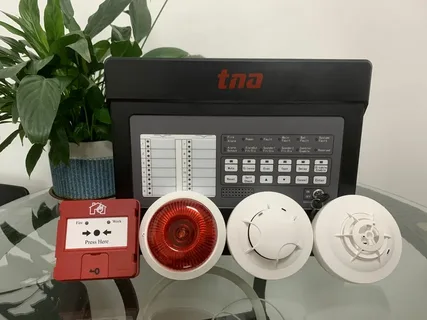
Fire safety is important for homes, offices, schools, hospitals, shops, warehouses, and industrial buildings. A fire alarm system can detect smoke, heat, or flames and alert people before a small fire becomes a major emergency. However, the total cost depends on the type of system, building size, number of devices, installation requirements, and other technical features.
If you are researching fire alarm system price in Pakistan, this guide explains the main cost factors, system types, installation considerations, and features you should understand before making a purchase.
A fire alarm system is a group of devices designed to detect signs of fire and provide an early warning. Modern systems can detect smoke, excessive heat, or flames.
A typical system may include:
The system sends information to a central control panel. When a detector identifies a possible fire condition, the panel activates the appropriate alarm devices.
The price of a fire alarm system varies considerably. A small setup for a house or small office may cost much less than a large addressable system designed for a commercial building.
There is no single fixed fire alarm system price in Pakistan because every building has different requirements.
The total cost usually depends on:
For this reason, buyers should compare complete system specifications instead of comparing the price of individual devices alone.
A conventional fire alarm system divides a building into different zones. Detectors and manual call points connect to the control panel through these zones.
The panel can identify the affected zone but normally does not identify the exact detector.
Conventional systems are commonly considered for:
Their simpler design can make them more economical for smaller buildings.
An addressable system gives individual devices a unique address. The control panel can therefore identify the specific detector or device that has reported an alarm or fault.
These systems can provide more detailed information and are useful for larger buildings.
They may be suitable for:
Addressable systems generally require a higher investment than basic conventional systems because they offer more advanced monitoring and control.
Wireless systems communicate between devices without requiring the same amount of physical cabling as traditional wired systems.
They can be useful in buildings where installing new cables is difficult. However, battery management, signal reliability, building construction, and system design require careful consideration.
A larger building usually requires more detectors, alarm devices, cables, and control equipment. This directly increases the project cost.
A system with ten detectors will normally cost less than one requiring hundreds of detection points.
The required number depends on building design, room size, ceiling configuration, occupancy, and applicable fire-safety requirements.
The control panel is the central part of the system. Basic panels can support smaller installations, while larger systems may require panels with more zones, loops, or expansion capabilities.
Smoke detectors and heat detectors serve different purposes. Specialized environments may require other detection technologies.
The selected detector should match the room and expected fire risk.
Installation costs can include:
A technically correct installation is important because poorly positioned detectors can reduce system effectiveness.
Installation requirements can vary between buildings and cities. Major urban areas such as Lahore, Karachi, Islamabad, Rawalpindi, Faisalabad, Multan, and Peshawar have different construction environments and project requirements.
Commercial and industrial projects may require professional design, installation, testing, and documentation.
Before installation, a qualified professional should assess:
For large projects, the fire alarm system may also need to coordinate with other safety equipment.
Fire alarm systems are used in many types of properties across Pakistan.
Common applications include:
The correct system depends on the building's size, purpose, occupancy, and fire risk.
Price should not be the only consideration. A cheaper system may not provide adequate protection for a particular building.
Consider these factors before purchasing:
Buying and installing a fire alarm system is only the first step. Regular maintenance helps ensure that the system remains operational.
Maintenance may include:
Building owners should also ensure that staff understand what to do when an alarm activates.
A fire can spread quickly. Early detection provides occupants with more time to respond and evacuate.
A properly designed fire alarm system can:
A fire alarm does not replace fire extinguishers, emergency exits, evacuation plans, or other fire-safety measures. It works as one part of a broader fire protection strategy.
When comparing prices, ask whether the quotation includes the complete installation or only the equipment.
A detailed quotation may identify:
Comparing complete quotations makes it easier to understand the actual project cost.
The fire alarm system price in Pakistan depends on several factors rather than one standard rate. System type, building size, number of devices, installation complexity, equipment specifications, and maintenance requirements all influence the final cost.
For homes and small businesses, a simple system may be sufficient in some situations. Larger commercial, institutional, and industrial buildings may require an addressable or more advanced solution. The best approach is to assess the building's fire risks and obtain a detailed quotation based on the required coverage.
The following FAQs provide quick answers to common questions about fire alarm systems, their costs, and installation requirements in Pakistan.
There is no single fixed price. The total cost depends on the system type, number of detectors, control panel capacity, installation work, building size, and required features.
A conventional system can be suitable for many small buildings because it uses zones to organize detection points. The final choice should depend on the building's layout and fire risks.
Generally, addressable systems require a higher initial investment than basic conventional systems. They can provide more precise information about the location of an alarm or fault.
Not always. Some quotations cover equipment only, while others include installation, cabling, programming, testing, and commissioning. Always check the quotation carefully.
Testing and maintenance should follow the manufacturer's instructions, applicable safety requirements, and the needs of the building. Regular inspections help identify faults before an emergency occurs.