English
 Arabic
 French
 Spanish
 Portuguese
 Deutsch
 Turkish
 Dutch
Dutch
 Italiano
 Russian
 Romaian
 Portuguese (Brazil)
 Greek
Greek
Credential Vault and Subscription Management: A Smarter Way to Manage Your Digital Accounts with Eye Spender
Other |
2026-08-17 15:44:17
 Social Networth OS
 Creator Commerce
 Launch Startup
 Global News
 Creator Award
 Talkfever App
See All
Talkfever App
See All

Upgrade to Pro
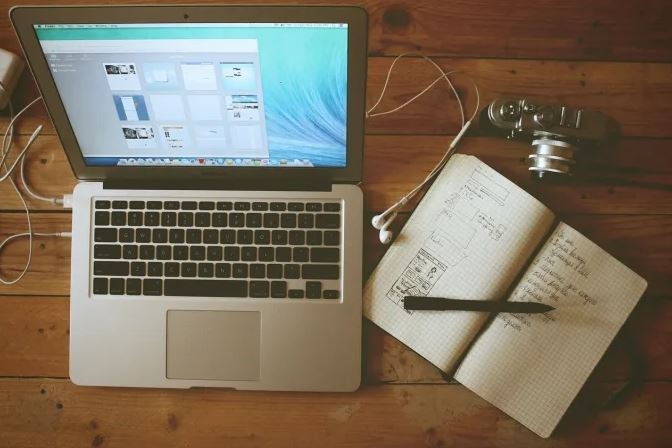
Before opening a blank document, read the assignment twice. Mark the required length, sources, format, deadline, and purpose. A persuasive essay needs a different strategy from a reflective piece, while a term paper usually demands broader research and tighter documentation.
Students writing personal stories sometimes search for advice on how to write a personal narrative because they are unsure whether ordinary experiences are worth presenting. They are. Choose one meaningful moment rather than attempting to describe an entire year, and focus on details that reveal change, conflict, or discovery. A small event can carry more weight than a dramatic story if the writing shows why it mattered.
Planning prevents many problems that appear later. Start with a working question, then collect sources that actually help answer it. Do not gather twenty articles merely to make a bibliography look impressive. As you read, record the author's main claim, useful evidence, publication details, and your own reaction. Those notes become the raw material for paragraphs instead of forcing you to rediscover information at midnight.
An outline can be brief. Write the central argument at the top, list two or three major points beneath it, and place evidence under each point. This structure leaves room for surprises while keeping the paper from wandering. If the introduction promises one direction and the body follows another, the outline usually exposes the problem before several pages have been written.
Research requires judgment, not just searching. Compare sources, check publication dates, notice who produced the information, and distinguish evidence from opinion. When an online source makes a dramatic claim, trace it to the original study or document whenever possible. Citation software can save time, but it cannot decide whether a source deserves to be cited. Students should also learn the required style, whether the assignment uses MLA, APA, Chicago, or another system, because small formatting errors can distract from strong ideas.
Drafting becomes easier when the goal is movement rather than perfection. Let the first version be rough enough to change. A useful paragraph normally has a clear purpose, evidence or explanation, and a connection to the larger argument. Vary sentence length. Some ideas deserve a short sentence that lands firmly; others need several lines to explain a complicated relationship. Reading the draft aloud can expose awkward transitions, repeated words, and sentences that looked fine on the screen but sound strangely hollow.
Term papers deserve an additional layer of discipline because research can expand without limit. Set boundaries for the topic before searching deeply. If the subject is too broad, narrow the period, place, group, text, or question. Keep a running list of sources and quotations from the beginning. Last-minute citation hunting is slow, irritating, and surprisingly good at creating accidental omissions.
Students often wonder whether outside help is useful. Reading best term paper writing service reviews may reveal patterns about reliability, pricing, deadlines, or customer experiences, but such reviews should not replace independent judgment. If professional assistance is considered, use it ethically: proofreading, feedback, structure suggestions, and explanations can support learning, while submitting purchased work as your own can undermine both academic integrity and genuine progress.
Revision should be treated as a separate stage, not a quick spell-check. First examine the argument: does every major section contribute to the answer? Then inspect evidence, paragraph order, transitions, wording, grammar, citations, and formatting. Leave some time between drafting and revising if possible. Distance makes weak claims easier to notice.
Finally, protect the practical side of writing. Break a large assignment into research, outlining, drafting, revision, and final checks, then assign each task a smaller deadline. Keep copies in more than one place, name files clearly, and start earlier than your most optimistic estimate suggests. Good academic writing is not produced by waiting for inspiration. It grows from decisions made early, questions asked honestly, evidence handled carefully, and revisions that are willing to cut what no longer serves the argument.
One more habit deserves attention: ask someone to read the draft without asking them to rewrite it. A fresh reader can identify confusing claims, missing context, or places where the argument loses energy. Their questions are valuable signals. Keep the final decisions yours, because the strongest paper should still sound like its distinctive writer.