English
 Arabic
 French
 Spanish
 Portuguese
 Deutsch
 Turkish
 Dutch
Dutch
 Italiano
 Russian
 Romaian
 Portuguese (Brazil)
 Greek
Greek
Milk Thistle Supplements Market Accelerating in clean-label wellness categories as convenient capsule product forms secure a dominant 46% market share
Food |
2026-06-12 13:42:54
 Social Networth OS
 Creator Commerce
 Launch Startup
 Global News
 Creator Award
 Talkfever App
TOON ALLES
Talkfever App
TOON ALLES

Upgrade to Pro
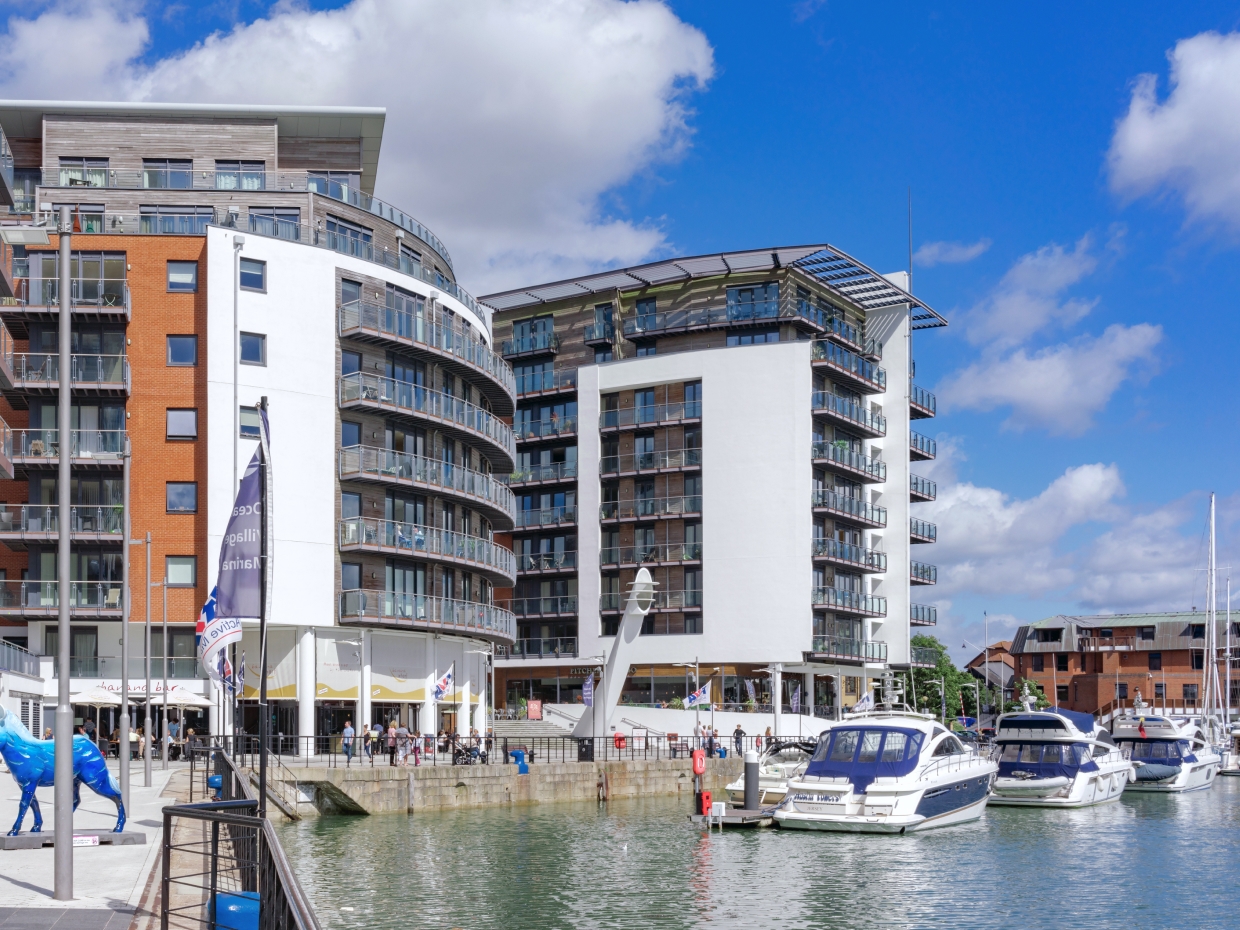
Managing a residential development involves many responsibilities, from maintaining communal areas to organising contractors and communicating with residents. For leaseholders and residents who want greater involvement in how their building is managed, appointing a professional Resident Management Company can provide a practical way to coordinate these responsibilities and protect the interests of the community.
A Resident Management Company (RMC) is typically established to manage the communal and shared aspects of a residential development. Depending on the property's structure, responsibilities can include maintaining gardens, entrances, corridors, roofs, parking areas and other shared facilities.
A Residents Management Company can help provide a formal structure for making decisions about the management and upkeep of a development. Directors or representatives can work with professional property managers to ensure that day-to-day responsibilities are handled efficiently.
Professional support can be particularly useful when residents do not have the time or expertise to manage contractors, budgets and maintenance themselves.
RTM Property Management relates to buildings where leaseholders have exercised their Right to Manage. The Right to Manage can allow qualifying leaseholders to take over certain management responsibilities from a landlord or existing managing agent.
Once an RTM company has taken responsibility for management, it may need to deal with a wide range of operational matters. These can include arranging repairs, managing contractors, overseeing communal areas and administering service charges.
While leaseholders may have greater control over the management of their building, they do not necessarily need to handle every task themselves. An experienced property management provider can support the RTM company with the practical administration involved.
One of the main responsibilities of a Resident Management Company is ensuring shared areas are properly maintained. Communal entrances, hallways, staircases, gardens and parking areas all contribute to the appearance and functionality of a development.
Regular inspections can help identify maintenance issues before they become more serious. A management company can then arrange appropriate contractors and monitor the work through to completion.
Planned maintenance is also important. Identifying future requirements can help residents and leaseholders prepare financially rather than dealing with unexpected problems when something fails.
Clear communication is essential when managing a residential development. Residents need to know how to report maintenance issues, while leaseholders may require information about service charges, planned works and management decisions.
A professional Resident Management Company can establish clear communication procedures and provide a central point of contact. Regular updates can help residents understand ongoing work and reduce confusion about responsibilities.
Where an RTM company is involved, professional support can also help directors manage administrative tasks and make informed decisions on behalf of the development.
A Residents Management Company may need to coordinate several contractors, including cleaners, gardeners, electricians, plumbers and building specialists. Selecting suitable contractors and monitoring their work can help maintain appropriate standards.
Financial management is another important consideration. Accurate records, transparent budgeting and careful monitoring of expenditure can help ensure that service charges are used appropriately.
Whether a development is managed through an RMC or an RTM company, professional assistance can make the process more efficient. When choosing a provider for RTM Property Management, residents should consider experience, communication, financial administration and maintenance expertise.
The right partner can support directors and leaseholders without taking away their control over important decisions. Ultimately, effective management helps maintain communal areas, resolve issues promptly and protect the long-term condition and value of the residential development.