English
 Arabic
 French
 Spanish
 Portuguese
 Deutsch
 Turkish
 Dutch
Dutch
 Italiano
 Russian
 Romaian
 Portuguese (Brazil)
 Greek
Greek
What days does Delta have sales
Other |
2025-01-24 18:49:05
 Social Networth OS
 Creator Commerce
 Launch Startup
 Global News
 Creator Award
 Talkfever App
See All
Talkfever App
See All

Upgrade to Pro
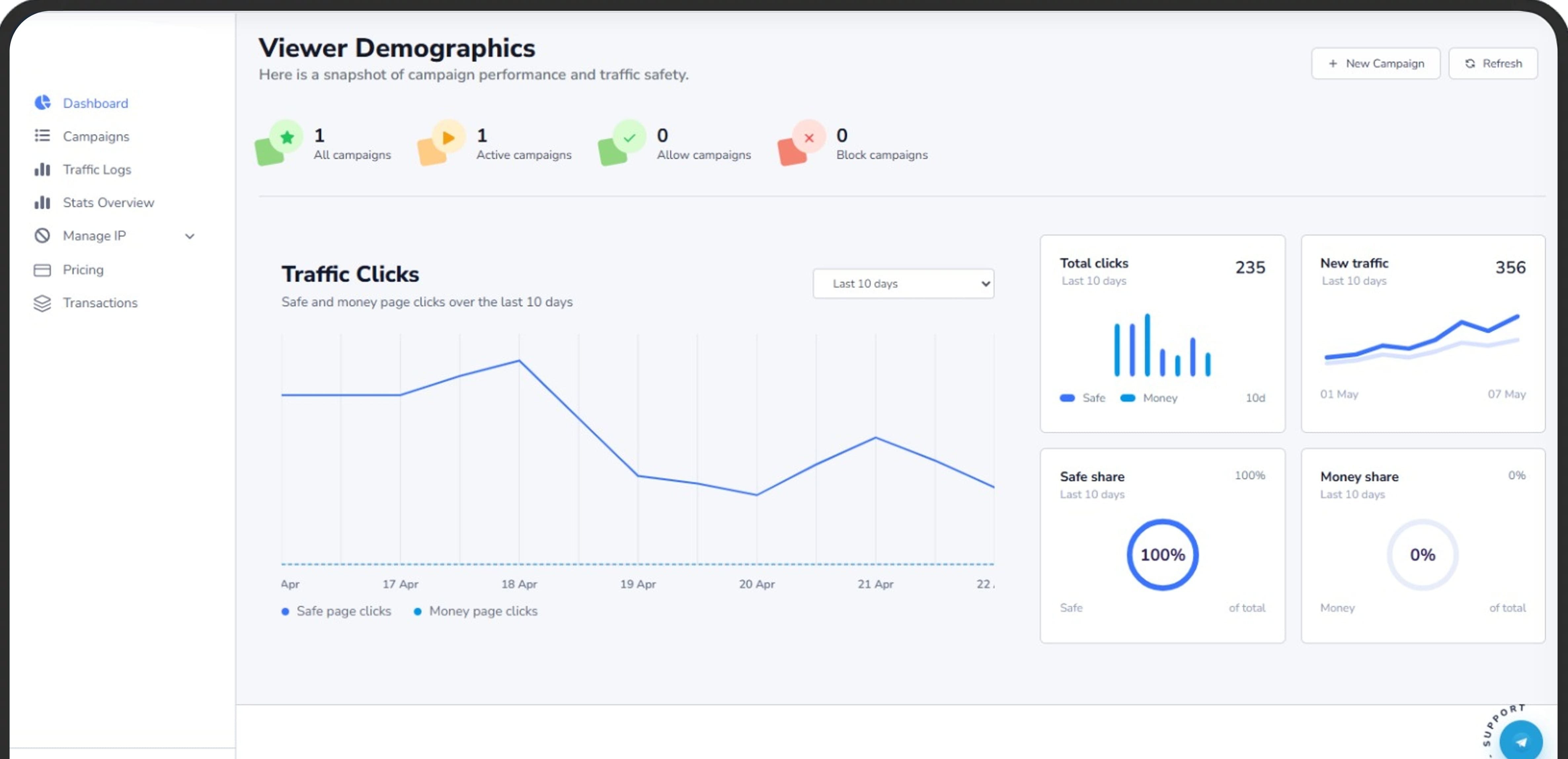
Cloaking is a practice where a webpage displays a different version of its content or information for search bots and users accessing the same URL address. SEO cloaking is a practice where a different version of a webpage is displayed to Googlebot and another to users. Although there are some instances where cloaking definitions have legitimate uses, SEO cloaking is against Google Search guidelines and results in a penalty, ranking drop, or removal from the search engine results page.
Cloaking is the practice of delivering different content to a website’s visitor depending on who that visitor is in search engine optimization.
For example:
When Googlebot or some other search engine crawler visits your site, it gets a page that is packed with keywords on a particular subject matter.
But if you were a normal visitor, you would get to see something else like an ad, affiliate link, or something that has nothing to do with the keywords on the page.
The main idea behind SEO cloaking is manipulation of search engine results, making them rank pages on the basis of content delivered to crawlers and not users.
The way it works is that the cloaking technique uses the identification of the visitors and serves them different versions. What is cloaking in SEO There are several ways that websites use to distinguish between the search engine crawler and the legitimate visitor.
Some of the common cloaking techniques include:
It is based on the checking of the visitor’s user-agent string that identifies browsers and bots.
Example:
Googlebot gets the page tailored to SEO purposes.
Chrome browsers receive another page.
Search engines use the user-agent information to identify crawlers. However, the use of this technique to deliver different content can cause SEO troubles.
IP-based cloaking offers different content to the visitors based on their IP addresses.
Example:
A crawler’s IP gets one page.
Visitors get another one.
The above technique is sometimes used in spam campaigns.
JavaScript may alter the content of the page after its loading.
Example:
While search engines would receive one version of the page, the users having JavaScript activated would receive a different version.
Dynamic content modification is not always cloaking, but providing different information for search engines and users may breach the search guidelines.
This type of cloaking displays different content depending on the source of the traffic.
Example:
Users visiting the website via Google Search will see one page, while users from social networks or direct visits will see another page.
There are various ways of content modification that do not necessarily amount to cloaking.
Google approves some methods aimed at improving user experience:
Mobile-friendly content design
Personalization
Language-related content modifications
Geo-targeted content
A/B testing
Nonetheless, the main rule is:
Content visible to the search engines should be the same as the content seen by the users.
Otherwise, the website may violate the Google Search Essentials policy.
There might be various reasons for the use of cloaking by businesses or marketers:
Legitimate Reasons
Providing location-based content
User personalization
Page testing
Device-specific layout changes
Risky SEO Reasons
Improving rankings for irrelevant keywords
Masking spam content
Promoting banned products
SEO manipulation
Avoiding platform ad reviews
The latter is very dangerous both in terms of SEO and reputation.
Deceptive cloaking can lead to:
Google might perform manual actions on websites violating spam policies.
These actions can be:
Penalty in ranking
Reduced traffic to a website
Page removal from the search results
Manual penalty notifications in Google Search Console
Poor User Experience
Unsatisfactory user experience can happen when a visitor gets:
Unexpected content on the website
Distrust towards the company
The lack of return visits
User experience and signals of trust become more relevant in modern SEO.
A website using such tactics can harm:
Brand reputation
Backlink value
Domain reputation
Organic growth in the future
There are several ways website owners can verify whether their websites have cloaking issues:
Comparing Googlebot and User Views
This is done by using tools like:
Google Search Console URL Inspection
Browser developer tools
Website crawler tools
It will be necessary to compare what search engines see on your website with what regular users see.
Server Responses
This includes checking:
HTTP status codes
Redirects
User agent strings
Content variations
Unexpected differences can suggest cloaking.
Website Crawling
Using SEO crawling tools will help to detect:
Hidden content
Versioned HTML
Suspicious redirects
Strange page behavior
Preventing Unintentional Cloaking on Your Website
The following recommendations should be followed:
Ensure Content Consistency
It is necessary to make sure that important elements of a page remain the same for:
Search engines
PC users
Mobile users
Proper Personalization
In case a website shows different content based on:
Location
Device type
Language
Then it is necessary to keep the page's primary function the same.
Follow Google Search Guidelines
Concentrate more on creating valuable content rather than trying to influence rankings.
Is Cloaking Illegal?
Although cloaking itself is not considered illegal, using cloaking to manipulate SEO can be against search engine policy, and websites employing this technique may be penalized and even excluded from search engine listings.
Is Cloaking Good for SEO?
No. Cloaking for manipulation of the search ranks of websites is risky behavior in SEO. Sustainable SEO relies on honest content and user-friendly approaches.
What is the difference between cloaking and personalization?
In the case of personalization, the content is altered to make the user's experience better, e.g., displaying the web page content in the user's language.
Does Google detect cloaking?
Yes. Google uses crawling mechanisms, algorithms, and manual inspections to determine whether there are any deceptive behaviors when websites display different content to the user and to the search engine.
Is all dynamic content cloaking?
No. Personalization, dynamic content, and responsive design do not necessarily fall into cloaking because what matters is that the website deceives search engines.
Visit Here: TrafficSaviour
Cloaking is a method that presents different content to search engines and to users. Although there are certain types of content variations that are considered fine when it comes to customization and usability, cloaking is not recommended as a practice aimed at manipulating SEO rankings.
Thus, the most optimal way to approach SEO is to provide valuable and credible content equally relevant to the search engine and users.